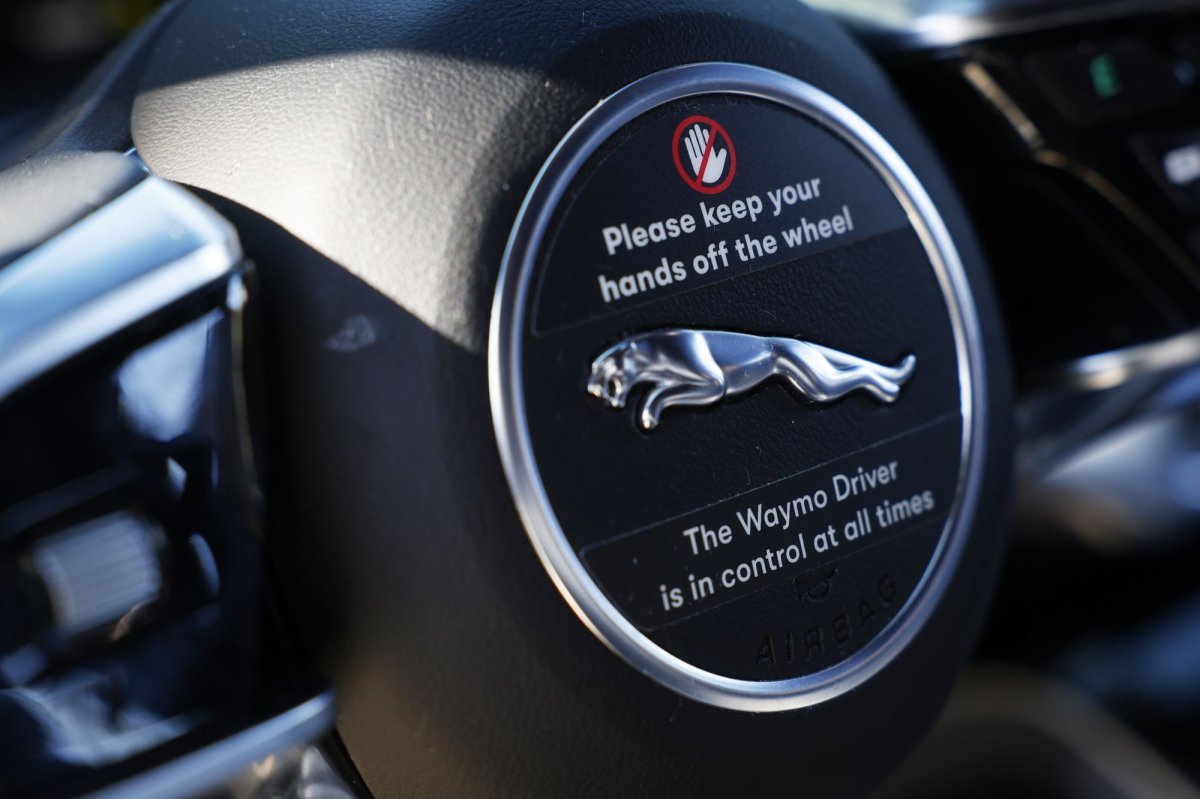
Public sentiment regarding autonomous vehicle adoption remains a significant hurdle for the automotive and technology sectors. A recent Gallup poll indicates that while approximately one-third of Americans anticipate driverless cars becoming a common sight on public roads within the next five years, only 19% of respondents express a willingness to own or lease such a vehicle. This gap between the perceived inevitability of the technology and actual consumer demand creates a friction point for manufacturers currently scaling their autonomous fleets.
Consumer Adoption Barriers and Market Sentiment
The data suggests that the transition toward autonomous transportation is not merely a technical challenge but a behavioral one. For companies heavily invested in the development of self-driving taxi services and private vehicle automation, the low percentage of potential owners signals that the initial path to profitability will likely rely on service-based models rather than direct-to-consumer sales. The reliance on fleet-based deployment, such as the programs currently testing in urban centers, aligns with the reality that the average consumer is not yet prepared to integrate this technology into their personal life.
This sentiment reflects broader concerns regarding safety, reliability, and the regulatory environment surrounding autonomous systems. As developers continue to refine their software, the focus remains on proving the safety case to a skeptical public. The discrepancy between the five-year timeline for commonality and the low ownership interest suggests that the industry may face a prolonged period where autonomous vehicles are ubiquitous in professional fleet settings long before they reach private driveways.
Infrastructure and Sector Read-Through
The shift toward autonomous systems is closely tied to the broader AI infrastructure thesis. As companies like those developing grid management solutions and advanced AI models continue to expand, the demand for reliable, automated transit systems becomes a critical component of the future urban landscape. However, the slow pace of consumer adoption forces a re-evaluation of how quickly these technologies can be monetized. Investors should monitor how firms adjust their capital expenditure in response to these consumer sentiment metrics.
AlphaScala data currently tracks various industrial and consumer-facing entities undergoing these transitions. For instance, Bloom Energy Corp (BE stock page) holds an Alpha Score of 46/100 with a Mixed label, reflecting the complexity of the industrial sector as it navigates shifting energy and infrastructure demands. Similarly, Five Below, Inc (FIVE stock page) remains Unscored, highlighting the distinct challenges faced by consumer-facing firms in the current economic climate.
The Path to Market Integration
The next concrete marker for this sector will be the release of updated safety performance data and the expansion of commercial pilot programs in major metropolitan areas. These deployments serve as the primary mechanism for shifting public perception. If fleet operators can demonstrate consistent, incident-free operations over the next 18 to 24 months, the current skepticism may begin to soften. Conversely, any significant regulatory setbacks or high-profile safety incidents will likely reinforce the existing hesitation among potential users, further delaying the transition to widespread private ownership.