Back to Markets
Macro● Neutral

Proposed 250-Foot 'Triumphal Arch' Sparks Infrastructure and Budget Controversy

April 10, 2026 at 09:19 PMBy AlphaScalaSource: cnbc.com
Proposed 250-Foot 'Triumphal Arch' Sparks Infrastructure and Budget Controversy

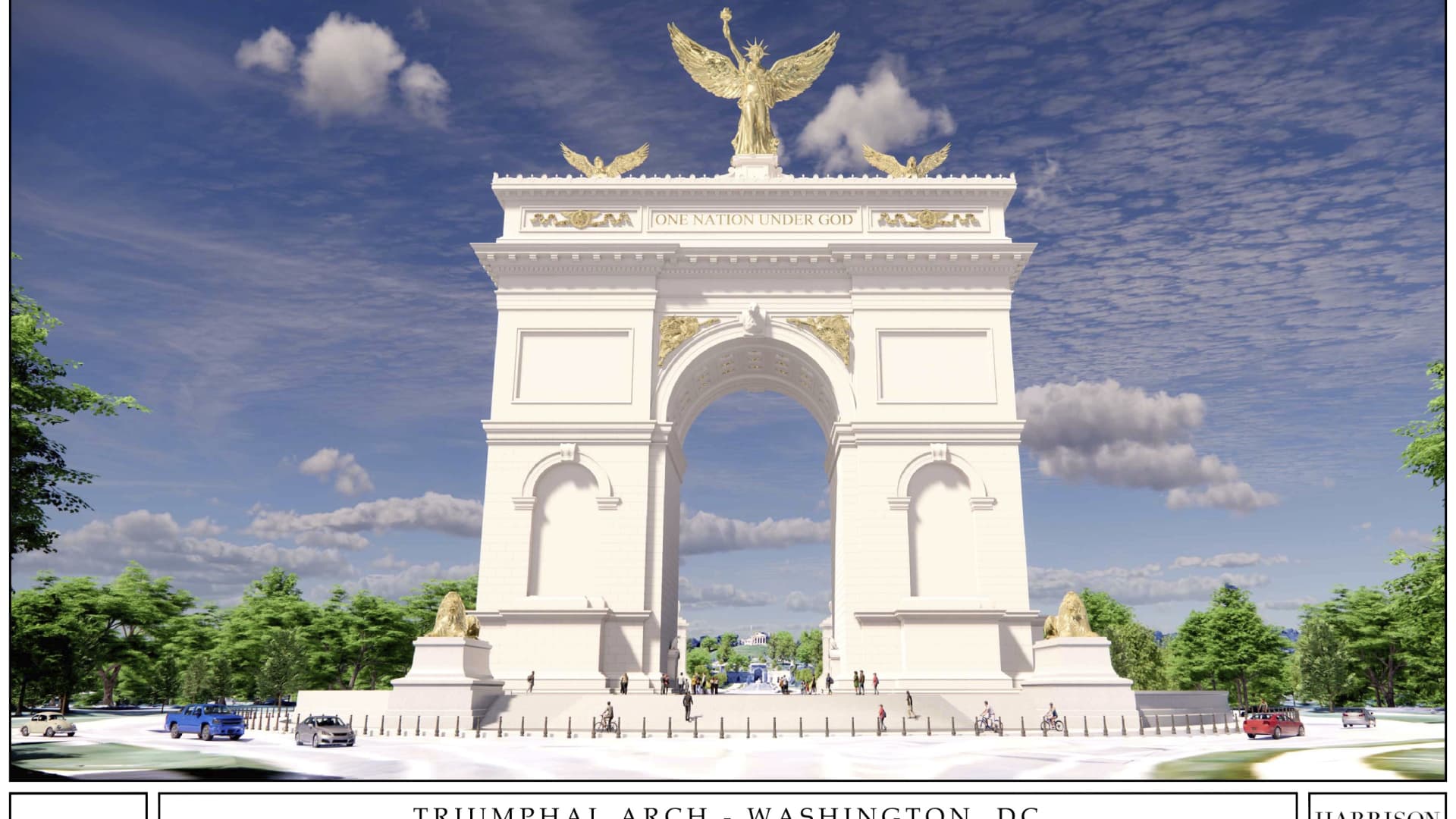
The Trump administration's proposal for a 250-foot triumphal arch over the Potomac has triggered intense political backlash, raising questions about taxpayer spending and urban infrastructure priorities.

A Monumental Proposal on the Potomac

The Trump administration has unveiled architectural renderings for a massive, 250-foot 'triumphal arch' intended to loom over the Potomac River, a development that has immediately ignited a firestorm of criticism regarding fiscal responsibility, urban planning, and the preservation of the nation’s capital skyline. The proposed structure, designed to serve as a grand gateway, would stand significantly taller than many of the existing landmarks in the capital, placing it at the center of an escalating debate over the allocation of taxpayer funds.

Fiscal and Urban Concerns

The project’s announcement has drawn swift condemnation from lawmakers, most notably Representative Don Beyer (D-VA). In a sharp rebuke of the administration’s priorities, Beyer stated, "President Trump is focused on a taxpayer-funded vanity project that would choke traffic, block our skyline, and tower over sacred ground."

For urban planners and infrastructure analysts, the concerns extend beyond aesthetics. The proposed location, situated along the heavily trafficked Potomac corridor, raises significant questions regarding traffic congestion and the environmental impact of such a massive construction project. Critics argue that the resources required for a project of this scale would be better directed toward crumbling national infrastructure or existing public works projects that have faced chronic underfunding.

Market Implications and Federal Spending

While the project is framed as a cultural initiative, traders and market analysts are viewing the proposal through the lens of federal fiscal policy. Large-scale, government-funded construction projects often have complex ripple effects on the economy. When the federal government commits to major building initiatives, it influences the allocation of labor, raw materials, and long-term budgetary commitments. For investors following the construction and engineering sectors, such a project could signal a shift in federal procurement priorities, though it also invites the risk of political volatility.

Historically, monumental architecture projects in Washington D.C. are subject to rigorous oversight by various commissions, including the National Capital Planning Commission and the Commission of Fine Arts. The fact that this project is being pushed by executive-level interest suggests a potential bypass of traditional review channels, which often creates uncertainty for contractors and stakeholders involved in federal bidding processes.

What to Watch Next

The path forward for the triumphal arch remains highly uncertain. The project faces significant legislative hurdles, including potential congressional opposition that could freeze funding. Market participants should monitor upcoming budget sessions and any potential executive orders that might attempt to expedite the project’s permitting process.

Beyond the political maneuvering, the core issue for stakeholders remains the precedent being set for discretionary spending on non-essential infrastructure. As the debate intensifies, the primary focus for analysts will be whether this proposal gains sufficient momentum to move into the procurement phase or if it stalls as a purely symbolic gesture that fails to navigate the complex regulatory and fiscal environment of the capital.