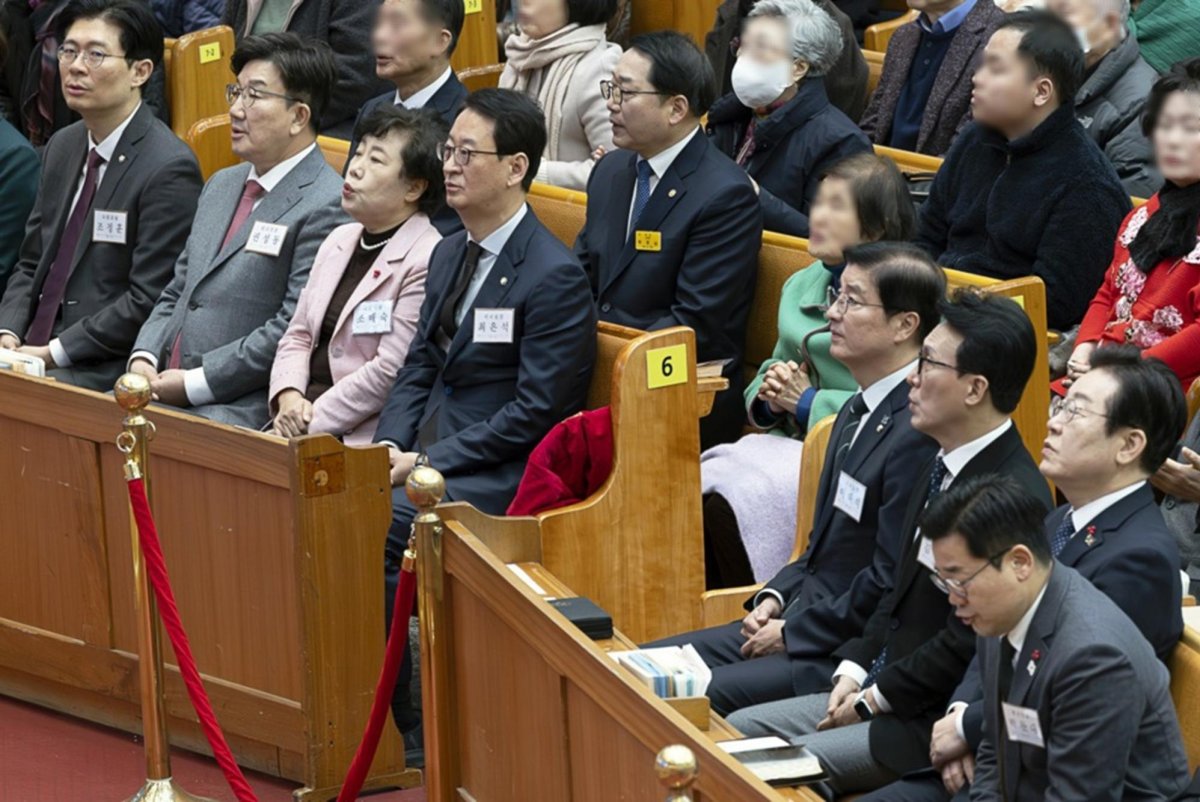
Institutional Risks: Faith-Based Advocacy Groups Raise Alarm Ahead of Local Elections

A prominent Christian advocacy group has issued a warning regarding the risks of church-state collusion ahead of local elections, highlighting concerns over public trust and institutional integrity.
The Intersection of Governance and Faith
As local election cycles intensify, a prominent Christian advocacy group has issued a stark warning regarding the increasing entanglement of religious institutions and state political apparatuses. The organization cautions that the trend toward 'church-state collusion'—where religious bodies align themselves overtly with political campaigns—poses a dual risk: the erosion of public trust in democratic institutions and the potential for long-term reputational damage to the churches themselves.
For market observers and political strategists, this development is more than a social commentary; it signals a potential shift in the sociopolitical landscape that often precedes volatility in local governance and policy implementation. When religious influence becomes a primary driver of electoral strategy, the resulting polarization can lead to legislative gridlock and unpredictable shifts in local regulatory environments.
The Risks of Politicized Faith
The group’s central argument is predicated on the preservation of institutional integrity. By positioning certain political outcomes as moral imperatives, religious leaders risk alienating congregants who hold diverse political views. This internal fragmentation, the group warns, creates a precarious position for churches that rely on broad community cohesion to maintain their social and charitable functions.
From a macro-analytical perspective, the politicization of these institutions complicates the 'social license to operate' for non-profit and community-based organizations. When a church is perceived as a political actor rather than a neutral community anchor, its ability to influence local policy—or even secure public funding for community-based initiatives—becomes subject to the same partisan volatility that plagues secular political entities.
Market Implications and Social Governance
For traders and investors focused on Environmental, Social, and Governance (ESG) criteria, the blurring of lines between religious institutions and political campaigning introduces a new variable into the assessment of social risk. In many jurisdictions, local elections dictate zoning laws, tax incentives, and public-private partnerships that directly impact real estate, small business development, and municipal bonds.
If religious organizations shift from being community stabilizers to partisan engines, the stability of the local political environment may degrade. Investors should take note: historical precedents suggest that when faith-based organizations become heavily involved in partisan politics, the resulting feedback loops often lead to higher levels of voter polarization. For the markets, this translates into potential uncertainty regarding local tax policies, school board mandates, and the distribution of municipal resources.
A Call for Institutional Neutrality
The advocacy group’s warning serves as a reminder to all stakeholders that the separation of church and state—a cornerstone of many democratic frameworks—is not merely a legal construct but a functional necessity for maintaining social trust. By urging churches to maintain their distance from electoral politics, the group is advocating for a return to a model where religious institutions act as a buffer against political tribalism rather than a contributor to it.
What to Watch Next
As the election date approaches, market participants should monitor the intensity of religious rhetoric in political advertisements and public discourse. A significant escalation in church-backed political messaging could serve as a leading indicator for increased voter volatility and heightened friction in local government proceedings. Traders should pay close attention to how these developments influence voter turnout and the subsequent composition of local councils, as these bodies will ultimately determine the regulatory trajectory for the coming fiscal cycle.