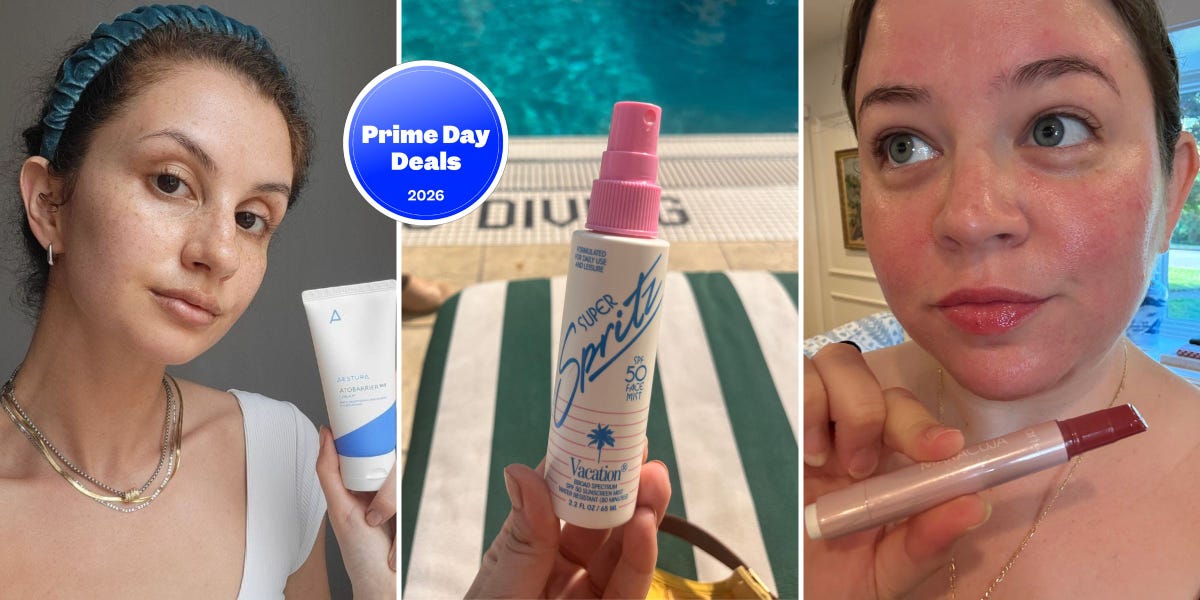
Amazon's Prime Day launched a wave of beauty markdowns that runs 24 to 48 hours. The sale covers skincare, sunscreen, makeup, and haircare from Medicube, Supergoop, Laneige, OUAI, and Tarte. Hundreds of SKUs dropped in price at once. That breadth signals inventory pressure. Brands that entered with high stock levels are cutting deeper than last year, according to promotional data.
The pattern appeared in the fall Prime Event too. Early markdowns hit prestige cosmetics first. Drugstore labels followed by day two. This year the discount floor is lower. Supergoop sunscreens are 30% off. Laneige lip masks are at 35% off. Both levels were 20% and 25% respectively in the October sale. The aggressive pricing suggests the brands are using Prime Day as a customer-acquisition event, not a margin event.
Retail analysts at a major bank wrote in a Tuesday note that beauty e-commerce volumes could run 15 to 20% above a normal July week. Their reasoning centers on Prime members restocking ahead of summer travel. Beauty products carry single-digit return rates, the analysts said. The share going to subscription-like replenishment locks in recurring revenue. Brands that participate heavily in Prime Day tend to see higher repeat purchase rates in the following quarter.
For Amazon, beauty is a high-margin category relative to electronics or home goods. The deal depth suggests Amazon is using price to pull shoppers away from specialty retailers like Ulta and Sephora. The same consumers who buy beauty in a session also buy apparel, shoes, and small appliances. Strength in beauty is a leading indicator for general merchandise. The markdown depth here shows brands are betting on volume, not price discipline.
The next data point comes when third-party sellers report their Prime Day results in early August. Until then, the sale itself is the most direct read on consumer willingness to spend on discretionary personal care.