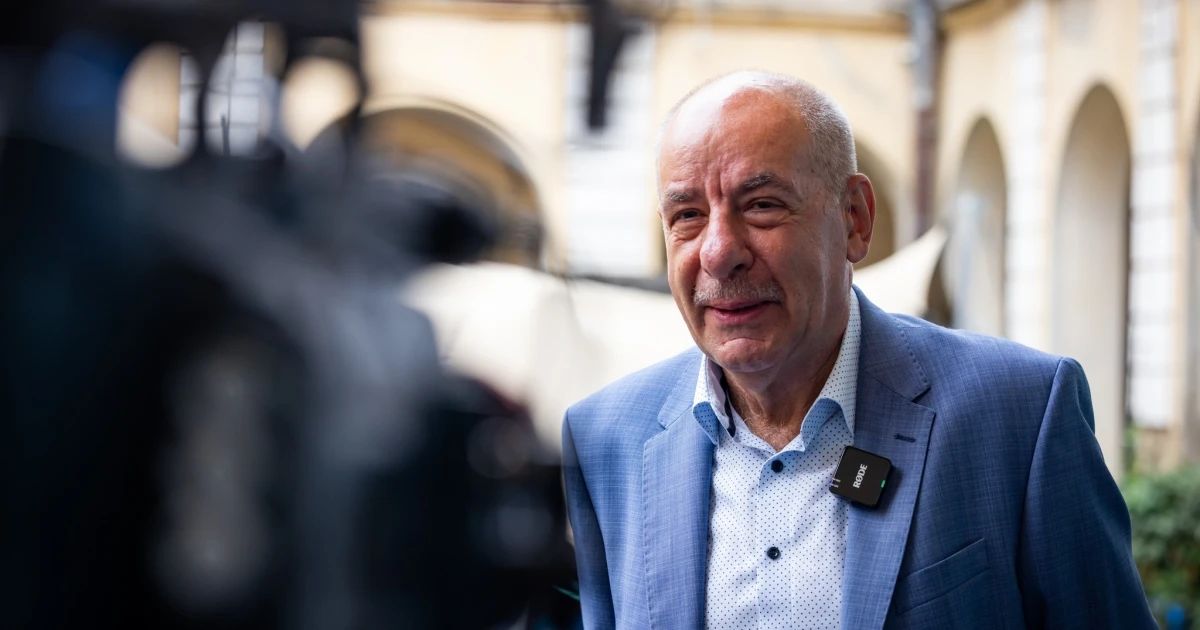
President Sulyok Summons Party Leaders for Consultations

Hungarian President Tamás Sulyok has invited the leaders of all parliamentary parties, including Viktor Orbán, Péter Magyar, and László Toroczkai, for personal consultations.
Presidential Outreach to Parliamentary Leaders
Hungarian President Tamás Sulyok has officially invited the leaders of all political parties currently represented in the National Assembly to a series of personal meetings. The scope of these talks includes the heads of every party that secured seats during the latest election cycle, signaling a direct attempt to engage with the legislative opposition and the ruling coalition.
Key Figures Invited
The President’s office confirmed that the invitation extends to three prominent figures who represent the spectrum of the current parliamentary makeup:
- Viktor Orbán, Prime Minister and leader of Fidesz.
- Péter Magyar, representing the TISZA Party.
- László Toroczkai, leader of the Mi Hazánk Mozgalom.
Context of the Meetings
These individual consultations follow a period of intense political activity in Budapest. By bringing the leadership of these organizations to the table, Sulyok aims to facilitate a direct dialogue. While the specific agenda for these sessions remains private, such meetings typically serve as a mechanism for the head of state to gauge the legislative priorities and concerns of the various factions. Traders and those performing market analysis often monitor these developments, as domestic political stability is a primary driver of the forint’s performance and broader investor sentiment within the region.
"The President has invited the leaders of the parties in the National Assembly to a personal meeting," the official statement noted.
Implications for Governance
This move by Sulyok puts the spotlight on the interaction between the executive branch and the parliamentary parties. With the TISZA Party gaining traction under Péter Magyar and the traditional role of the ruling Fidesz party, the dynamics within the house are changing. Investors often look for signs of policy continuity or potential friction that could influence fiscal decisions or regulatory changes.
What to Monitor
Market participants should watch for any statements released following these discussions. Public remarks from the party leaders after leaving the Sándor Palace will provide clues regarding the potential for cooperation or further polarization on key legislative items. As the political calendar moves forward, the ability of these leaders to find common ground will influence the legislative environment through the next session of parliament.
For those tracking the broader macro environment, these meetings represent a check on the pulse of the nation's leadership structure. We will continue to track how these political developments intersect with the country's economic policy framework.