Commodities● Neutral
Prairie Lithium Targets 2024 Production at Saskatchewan Site
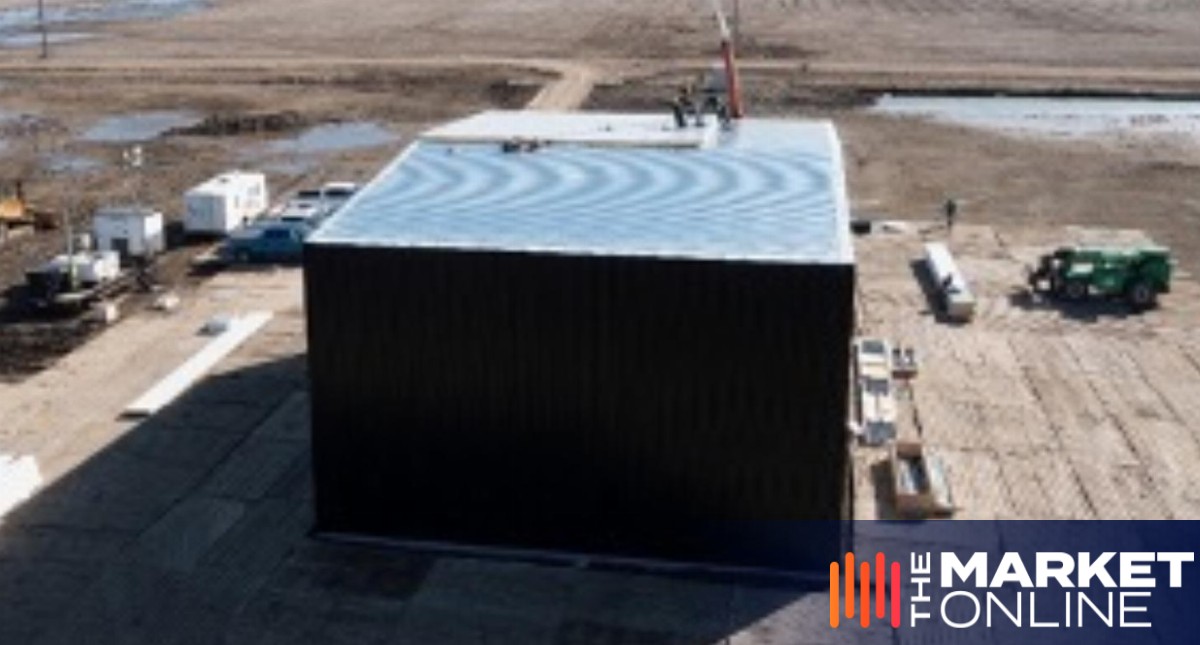
Commercial-scale output in the Williston Basin aims to validate DLE technology. Successful delivery will mark a shift from exploration to revenue generation.
Continue with
A Pivot Toward Commercialization
Prairie Lithium, the Canadian-based developer focused on unlocking the value of North America’s brine-hosted lithium assets, has officially confirmed it is on track to achieve its first revenue-generating production by the end of this year. The company’s flagship project, situated in the resource-rich Saskatchewan province, serves as a critical test case for the viability of Direct Lithium Extraction (DLE) technology in the Williston Basin.
For investors and market participants monitoring the battery metals supply chain, this announcement marks a significant transition for Prairie Lithium. Having spent years in the exploration and pilot-testing phases, the company is now shifting its operational focus toward the commercialization of its proprietary lithium extraction processes. Meeting the late-2024 production deadline would validate the company’s assertion that its Saskatchewan brine deposits can be brought online with greater speed and efficiency than traditional hard-rock spodumene mining operations.
The Strategic Importance of the Williston Basin
The Saskatchewan project is positioned within the heart of the Williston Basin, a geological feature known for its high-permeability reservoirs and historically significant oil and gas activity. By leveraging existing infrastructure and geological data, Prairie Lithium has sought to mitigate the capital expenditure typically associated with greenfield lithium projects.
Direct Lithium Extraction has become a hot-button topic in the commodities sector. Unlike evaporation ponds—which are geographically restricted and time-intensive—DLE technologies aim to capture lithium directly from brine through a closed-loop system. If Prairie Lithium successfully scales its production this year, it could provide a blueprint for other developers aiming to tap into the under-exploited lithium-rich brines of Western Canada.