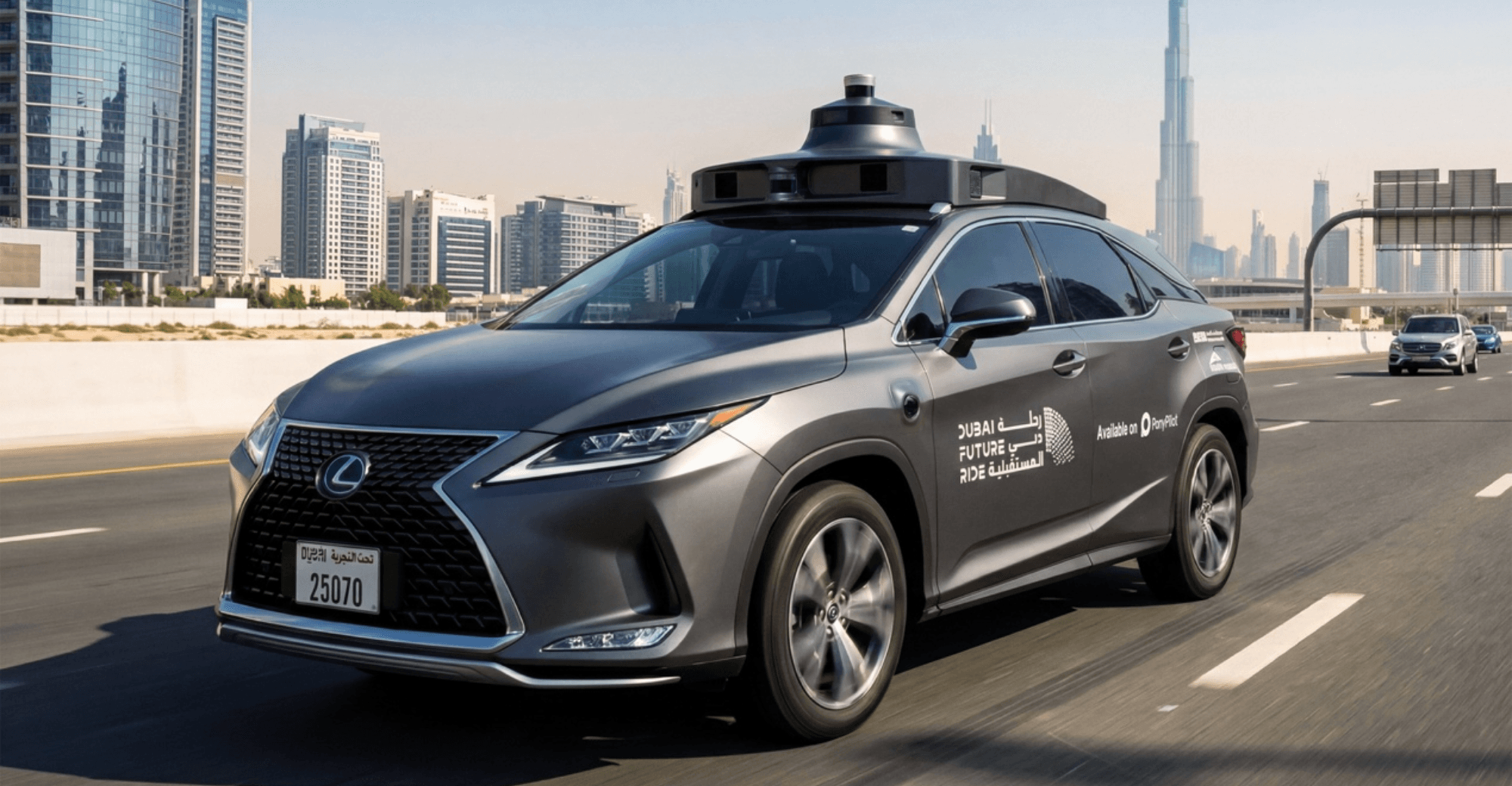
Pony.ai has initiated driverless robotaxi testing in Dubai, marking a significant expansion of its autonomous vehicle operations beyond its existing footprint. This move signals a shift toward international scaling as the company prepares for a full-scale commercial rollout scheduled for 2026. By establishing a presence in the Middle East, the firm is positioning its technology within a regulatory environment that has actively courted autonomous transit solutions to meet urban mobility goals.
Infrastructure and Regulatory Integration
The transition to driverless testing in Dubai requires a specific alignment between vehicle software and local infrastructure standards. Unlike markets where testing is confined to controlled zones, this rollout aims to integrate directly into the city's existing transit framework. The 2026 commercial target suggests that the company expects to move past the data-gathering phase within the next eighteen months. Success in this region depends on the ability to navigate high-density urban traffic and extreme climate conditions that impact sensor performance.
This development serves as a bellwether for the broader sector, where Consumer Adoption of Autonomous Systems Shifts Market Expectations. As firms move from pilot programs to commercialized fleets, the focus shifts from pure technological capability to operational reliability and local government partnership. The Dubai project acts as a stress test for these systems in a non-domestic environment, providing a template for how autonomous providers might enter other international markets.
Sector Read-through and Competitive Positioning
The entry into the Middle East highlights the competitive race to secure first-mover advantages in global autonomous transit. While domestic markets remain saturated with testing activity, international expansion offers a path to scale that is less dependent on the regulatory bottlenecks found in North America or parts of Europe. For investors tracking the Consumer Cyclical sector, the ability of companies like Pony.ai to successfully export their technology stack is a primary indicator of long-term viability.
AlphaScala data currently tracks various players in the consumer and technology space, including AS (Amer Sports, Inc.) with an Alpha Score of 47/100 and HAS (HASBRO, INC.), which remains currently unscored. While these firms operate in different segments, the underlying trend of autonomous integration remains a critical factor in stock market analysis for the broader consumer sector. The shift toward specialized hardware and software integration is redefining how companies approach market entry and operational costs.
The next concrete marker for this initiative will be the publication of safety performance data from the initial testing phase. This report will likely determine the pace of fleet expansion and the specific timelines for the 2026 commercial launch. Observers should monitor upcoming regulatory filings from the Dubai transport authorities, as these will define the operational parameters for the eventual public rollout.