Plaza Accord déjà vu: is Japan's economic policy autonomy being cramped?
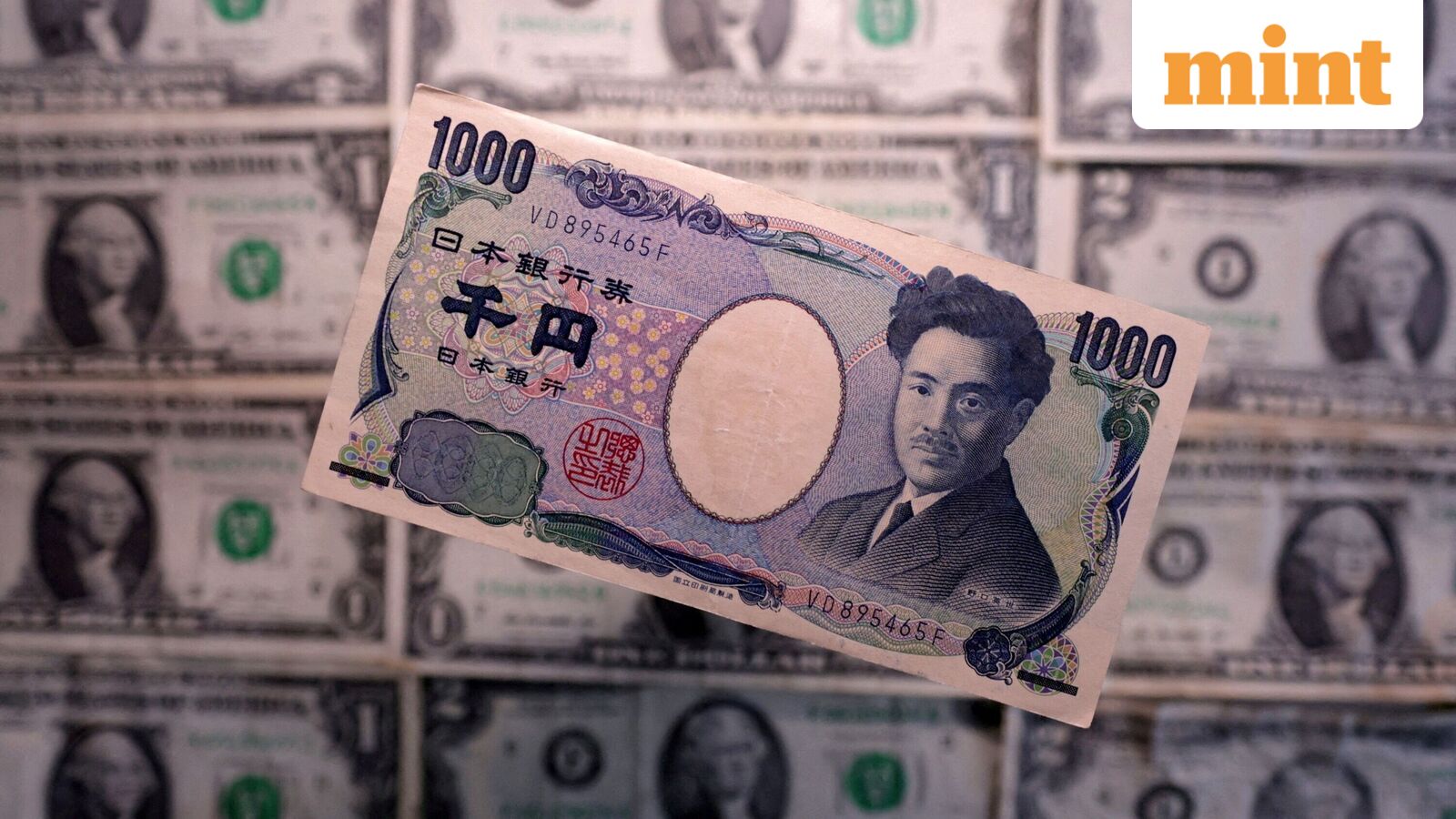
The US-Japan yen intervention echoes the 1985 Plaza Accord, raising questions about Japan's policy autonomy and the risk of Treasury liquidation.
The US and Japan intervened last week to support the yen as it slipped close to a 40-year low against the dollar. That move echoes the 1985 Plaza Accord, when the US worked with Japan, the UK, France and Germany to weaken the dollar. This time, the motivation is different: Washington sees Asian currencies as undervalued, and Japan cannot risk losing its US security shield, according to Mint.
Trump called the joint action "good for the world economy." The conflation of US interests with global ones is a hallmark of his approach.
This intervention raises a question about Japan's economic policy autonomy. If Japan liquidates its US Treasury bonds to sell dollars in bulk too quickly, it could push up yields and raise the US government's cost of finance, Mint reported.
The Plaza Accord hurt Japan's economy, leading to asset bubbles and a lost decade. Tokyo values US protection. It also needs room to set its own economic policy.
Trump bought the Plaza Hotel in New York in 1988, where the 1985 pact was signed. He called it a "work of art." He sold it in 1995, by which time Japan was probably ruing the deal, according to Mint.
Mint's editorial board said the current arrangement tests how much policy autonomy Tokyo is willing to trade for security. For ongoing coverage of the yen and intervention, see AlphaScala's forex market analysis.
Drafted by a large language model from the source reporting linked above, then screened by automated publishing checks. It is not read by a journalist before publication. Some articles cite our Alpha Score. Verify prices and figures against the original source. Educational coverage, not personalized advice.