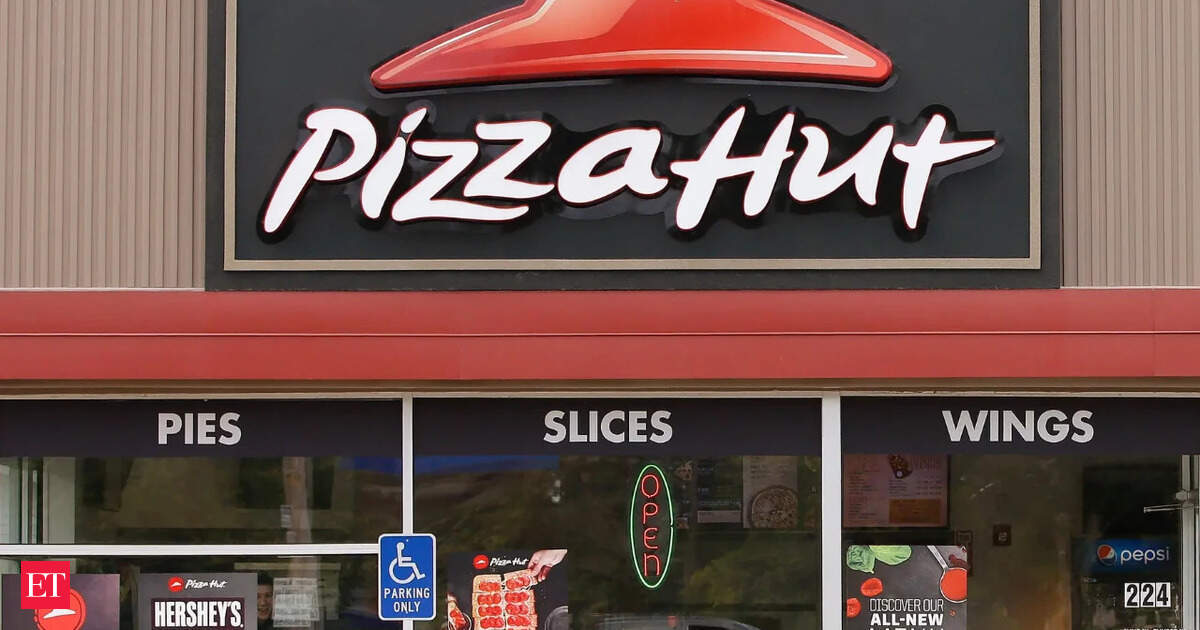
A report places Yum Brands in exclusive talks to sell Pizza Hut to LongRange Capital. The deal, if it closes, would strip the single most troubled chain from the Yum portfolio. For investors who track quick-service restaurants, this is a sector-level signal that changes how the pizza sub-industry should be valued.
Pizza Hut’s Exit: The Strategic Pivot at Yum Brands
Why Pizza Hut Became a Liability
Yum Brands has been managing an unbalanced portfolio. KFC and Taco Bell together generate the bulk of global system sales and the highest franchisee margins. Pizza Hut has been a drag: same-store sales in the U.S. have underperformed the category for several quarters, hurt by the rise of delivery aggregators and a dated store footprint. The chain is also heavily reliant on dine-in traffic in markets where consumers have shifted to carryout and third-party delivery.
Selling Pizza Hut to a private equity buyer like LongRange Capital lets Yum shed a capital-intensive turnaround project and focus capital allocation on higher-return units. The logic is straightforward – remove the asset that requires restructuring and redeploy that freed-up cash into share buybacks and international expansion for KFC and Taco Bell.
The LongRange Capital Playbook
LongRange Capital is a firm that typically takes controlling stakes in companies with real estate assets or franchise systems that can be optimized. For a pizza concept, the playbook includes aggressive refranchising, a reduction of company-owned store overhead, and a push into non-traditional venues such as airports and universities. The risk for long-term holders of YUM is that the sale price may reflect current operational weakness rather than any recovery value – private equity buyers do not pay up for optionality they plan to create themselves.
The Sector Readthrough: Which Peers Feel the Heat?
Domino’s and Papa John’s: The Direct Comparison
A Pizza Hut sale puts a spotlight on two pure-play pizza chains: Domino's and Papa John's. If LongRange Capital succeeds in restructuring Pizza Hut, the competitive pressure on Domino's and Papa John's in the delivery segment could intensify. Conversely, if the sale signals that Pizza Hut’s turnaround is too expensive for even a large strategic owner, the market may re-rate the entire pizza category lower.
Domino's already trades at a premium multiple to YUM, driven by its industry-leading digital ordering platform and global store count. Papa John's, still working to stabilize margins after its own operational overhaul, faces the most direct risk: a revitalized Pizza Hut with private equity discipline could fight for the same franchisee candidates and real estate locations.
Yum’s Remaining Brands: KFC and Taco Bell
The read-through is more favorable for KFC and Taco Bell. With Pizza Hut gone, Yum becomes a simpler story: two high-growth chains with strong international traction. Analysts covering the space will need to recast valuation models. The remaining YUM would likely command a higher earnings multiple as the discount attached to Pizza Hut disappears.
Franchisees of KFC and Taco Bell may also benefit indirectly. If Yum uses the sale proceeds to reduce debt or accelerate digital investments, the entire franchise network gets better point-of-sale technology and marketing support.
What Confirms the Thesis – and What Weakens It
Confirmation Signals
- Official announcement of the deal with a purchase price that reflects a realistic valuation (typically 6-8x EBITDA for a distressed restaurant chain).
- Yum management commentary indicating that proceeds will be used for buybacks or reinvestment in KFC and Taco Bell, not for a new acquisition.
- Franchisee feedback that LongRange Capital’s plan aligns with their store-level profitability goals.
Risks and Alternative Outcomes
The deal could collapse if LongRange Capital cannot secure financing or if regulatory review finds antitrust issues in overlapping franchise territories. There is also a scenario where Yum only sells a minority stake or spins off Pizza Hut as a separate public company. That outcome would leave investors with the same messy structure, just with two tickers.
Proprietary AlphaScala View: Mixed Signals on YUM
AlphaScala’s proprietary model gives YUM an Alpha Score of 43/100, a Mixed reading that reflects the twin uncertainties of a potential divestiture and the capital return profile post-sale. The label signals that while the strategic move makes sense on paper, execution risk is high. A deal at an attractive price could push the score higher. A collapse of talks or a poor valuation would confirm the current discount.
Investors should monitor how Yum’s other two chains perform in the coming quarters. The real catalyst for the stock is not just the sale itself but what comes after – a leaner, faster-growing Yum Brands that no longer has to drag along a tired pizza concept.