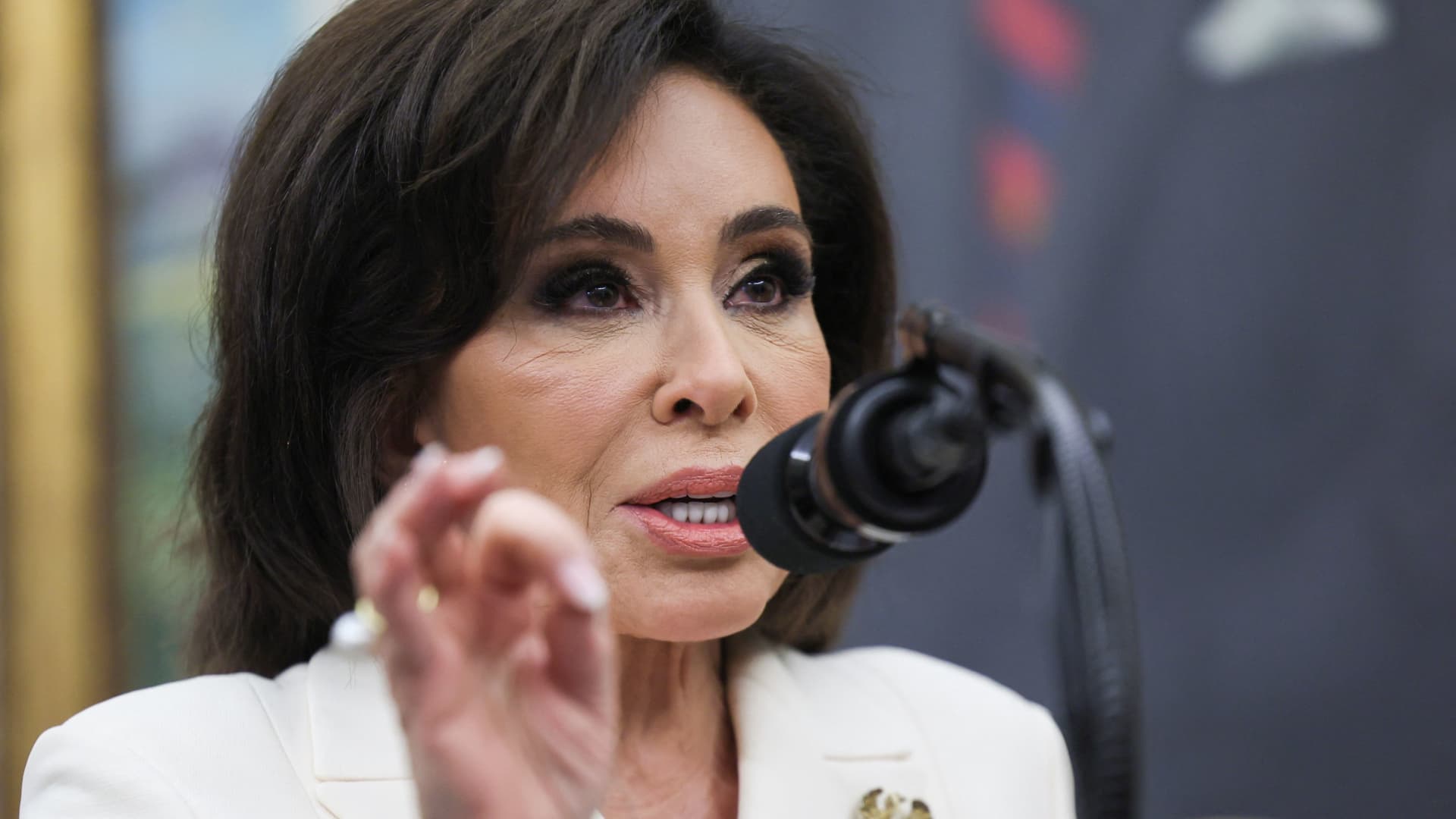
The U.S. Attorney for the District of Columbia, Jeanine Pirro, has signaled a pivot in the ongoing investigation regarding Federal Reserve Chairman Jerome Powell. By moving away from plans to appeal previous procedural hurdles, the office has effectively narrowed the scope of its legal pressure on the central bank leadership. This shift arrives at a critical juncture for monetary policy, as the Federal Reserve balances persistent inflation concerns with the need for stability in credit markets.
Impact on Monetary Policy Credibility
The immediate market read of this development is a reduction in institutional friction at the Federal Reserve. When legal or political scrutiny targets the Chair, the transmission mechanism of monetary policy often faces a risk premium. Investors typically price in uncertainty regarding the Fed's independence, which can manifest as increased volatility in short-term interest rate futures and a widening of credit spreads. By de-escalating the legal challenge, the U.S. Attorney has removed a layer of noise that previously threatened to distract from the Federal Open Market Committee's primary mandate.
Transmission Through Treasury Yields
Market participants often view the stability of the Fed Chair as a proxy for the predictability of the policy path. If the legal investigation had intensified, the potential for a leadership vacuum or a forced change in policy direction would have likely driven a flight to quality. This would typically manifest as a sharp bid for U.S. Treasuries, compressing yields on the long end of the curve while simultaneously weakening the dollar as market confidence in institutional continuity wavers. With the current shift in legal strategy, the focus returns to the fundamental Macro Outlook: RBA Rate Decision and US Employment Data and the broader trajectory of the federal funds rate.
For traders, the removal of this specific legal overhang suggests that the market will continue to price in policy decisions based solely on data prints rather than political or legal disruption. The next decision point for the Fed remains the upcoming policy meeting, where the focus will return to the balance between employment data and inflation targets. Any deviation from the expected path will now be interpreted through the lens of economic fundamentals rather than institutional instability.