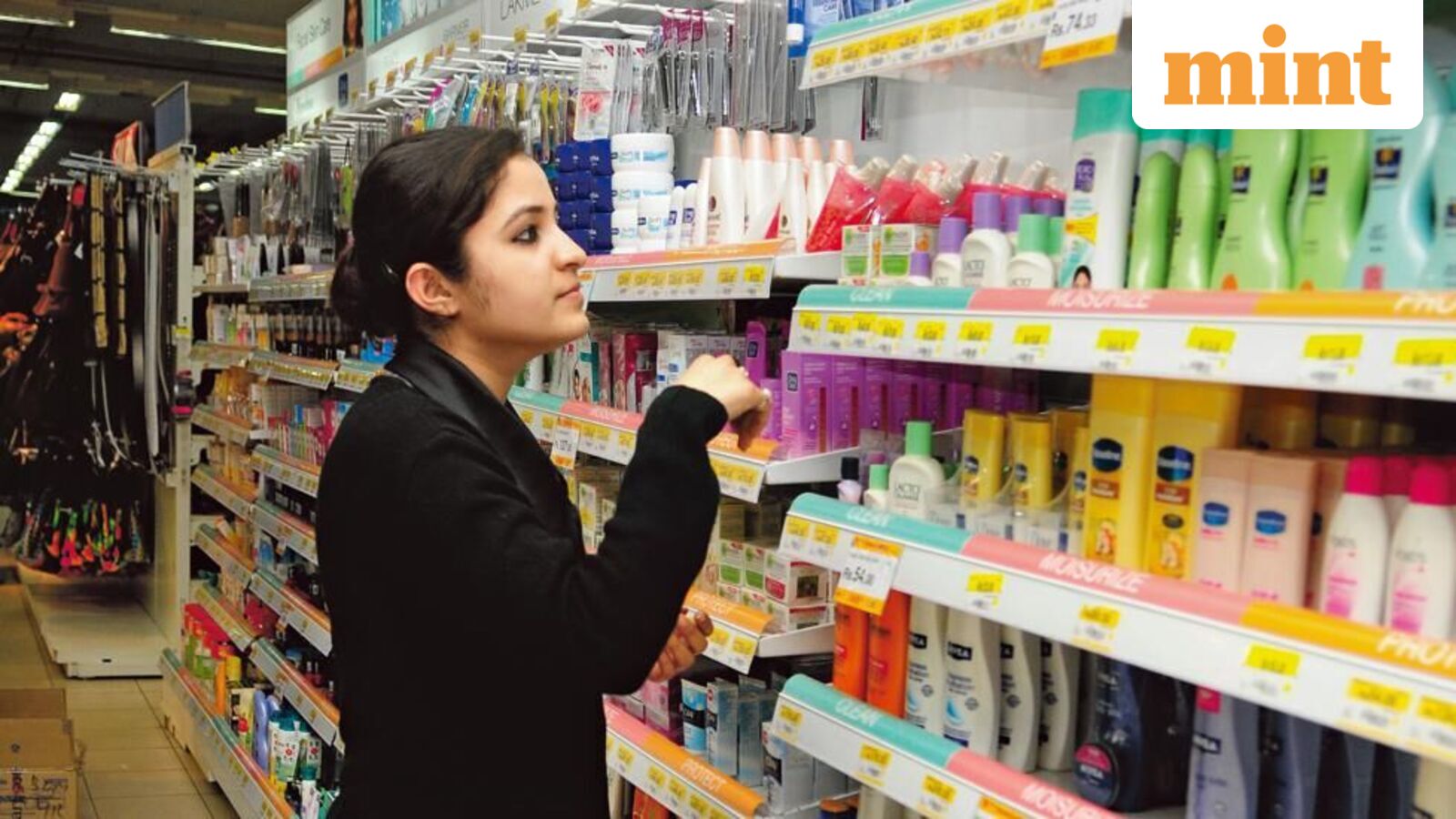
Piramal Consumer Healthcare is thinning its product lineup. CEO Sai Ramana Ponugoti told Mint the strategy is "not about breadth, it's about depth." The company now generates half its consumer healthcare revenue from six power brands, up from 42% two years ago. The target is $200 million by 2030.
The consumer healthcare arm grew 17% in FY26, far outpacing Piramal Pharma's other segments. Hospital generics expanded just 3%. The CDMO division shrank 10%. The depth strategy is already producing a faster-growing slice of the parent company. The same concentration creates exposure.
The six power brands – Lacto Calamine, CIR, Little's, Tetmosol, Polycrol, and the i-range – now carry disproportionate weight. Each category would be harder to replace if a product stumbled from regulation, competition, or shifting consumer taste. The i-pill emergency contraceptive sits on the National Pharmaceutical Pricing Authority's essential drugs list. The price cap imposed in March 2024 already hit FY25 revenue for the women's health segment. That product is now part of the consolidated i-choose portfolio. Any further pricing action would directly press the $200 million target.
Premiumization is the other pillar. Lacto Calamine moved beyond skin-soothing creams into cleansers, moisturizers, sunscreens, and serums. The brand now taps Korean skincare trends and ingredients like retinol and vitamin C. That positions it against Hindustan Unilever's acquisition of Minimalist, a premium D2C brand, for ₹2,955 crore. Cipla Health's Rivela Dermascience and Glenmark's LaShield are chasing the same science-backed consumer. The Indian beauty and personal care market is expected to grow from $23 billion to $40 billion by 2030, per Redseer Strategy Consultants. That growth attracts heavy marketing spend from larger, better-capitalized players.
e-commerce drives a third of Piramal Consumer's business. More than half of that is quick commerce, Ponugoti said. The company has doubled its influencer engagements over the past year. Hindustan Unilever uses more than 30,000 influencers. Piramal's smaller digital marketing scale could limit the pace of online share gains if the larger players lean harder into the same channels.
Product innovation has been reined in sharply. The company launched 31 new products in FY26, down from 63 in FY23. Ponugoti said new products have an 80% success rate and contribute 13–17% of revenue. The company sunsets underperformers. That discipline works when the success rate holds. A single high-profile miss would have a bigger impact with fewer launches to compensate.
Ponugoti joined Piramal in January 2025 after a long career at Procter & Gamble. P&G's playbook of premium, science-backed brands is the template here. The AlphaScala score for PG sits at 50/100, labelled Mixed. For Unilever, parent of Hindustan Unilever, the score is 57/100, labelled Moderate. The consumer staples sector shows mixed sentiment. Piramal Consumer's narrowing bet could either prove out as a high-margin winner or leave it overexposed if the premiumization bet softens.
The next concrete checkpoints are Piramal Pharma's June-quarter results, where the consumer healthcare segment's revenue and margin trajectory will be visible. The NPPA's next drug price revision cycle could affect the i-pill again. Regulatory and competitive pressure will test the depth strategy well before the 2030 deadline.