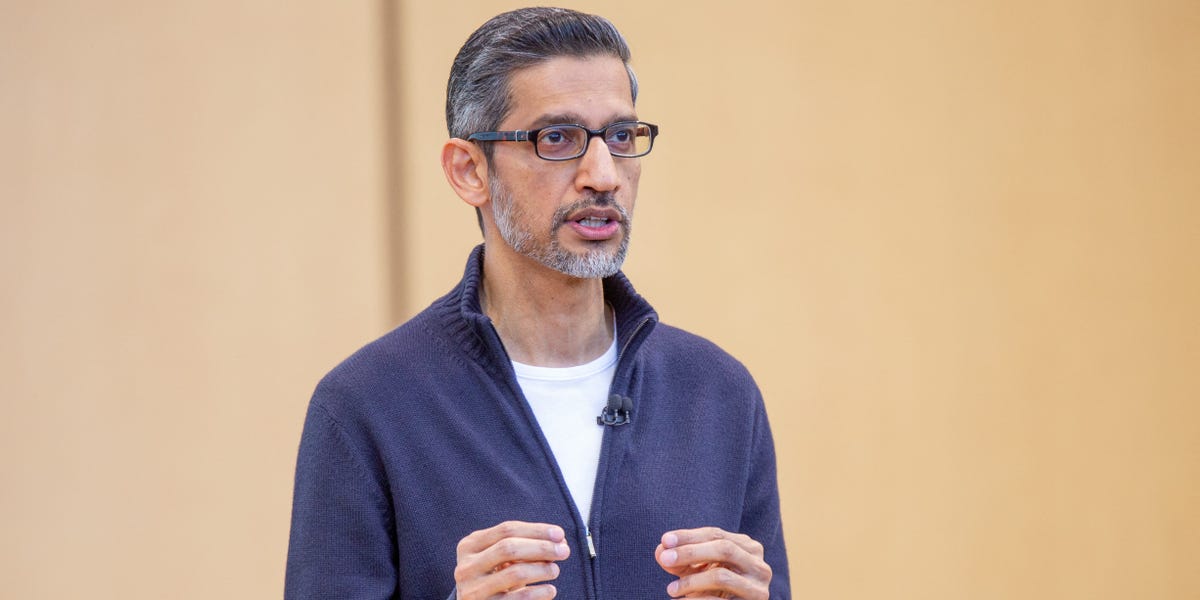
Sundar Pichai was shown a specific Google Search result for a query about the best Christmas product. His response: the result was "probably more opinionated than it should be." For a company whose core search product depends on perceived neutrality, that sentence carries weight. The comment came during a broader discussion about Google's AI Search overhaul.
Why Pichai's Remark Matters for Alphabet Now
The simple read is that Google is iterating on AI-generated answers. The better market read is that Pichai himself acknowledged the risk that AI Search results can inject subjective framing. That opens a new vector of scrutiny: user trust, advertiser confidence, and regulatory attention.
Alphabet derives the bulk of its revenue from search ads. If users perceive AI summaries as biased or unreliable, search engagement and click-through rates could suffer. Competitors like Perplexity and Microsoft’s Bing are already positioning their AI tools as more transparent or less curated. Any slip in quality gives them an opening.
Two Structural Risks for Google's Search Revenue
AI-powered search creates two material risks for Alphabet.
First, the model’s training data and alignment determine output. A search for "best…" inherently asks for a ranking. An opinionated answer can blur the line between neutral aggregation and editorial stance. That shift is subtle but material for a platform that has fought accusations of bias for years.
Second, regulators in the US and EU are watching AI more closely. Acknowledged opinionated results could become evidence in antitrust or consumer-protection arguments. The European Digital Services Act already requires large platforms to explain ranking algorithms. A self-admitted “opinionated” answer may invite demands for transparency or algorithmic audits.
The Decision Point: Product Update and Regulatory Watch
This story creates two concrete watchpoints.
Product response: Watch for Google’s next update to its Search Generative Experience (SGE). If the company adds disclaimers, adjusts scoring, or rebalances how much weight the AI gives to qualitative answers, that signals recognition of the problem. A rapid update would indicate internal concern about trust.
Regulatory follow-up: Any formal inquiry from the European Commission or US House Judiciary Committee about AI search bias would amplify the risk. Until then, this is a narrative headwind – not a balance-sheet event – for Alphabet.
Quarterly search-ad growth rates and any mention of AI-related search changes in Alphabet’s next earnings call will serve as the next real test. A direct acknowledgment of needed “improvements” would confirm the scenario outlined here. Silence would suggest the company believes the risk is manageable. For now, Pichai’s own words set the bar: the product has to be less opinionated than it is today.
stock market analysis