Philippine Job Fairs Launch Green Lanes for Senior High Graduates
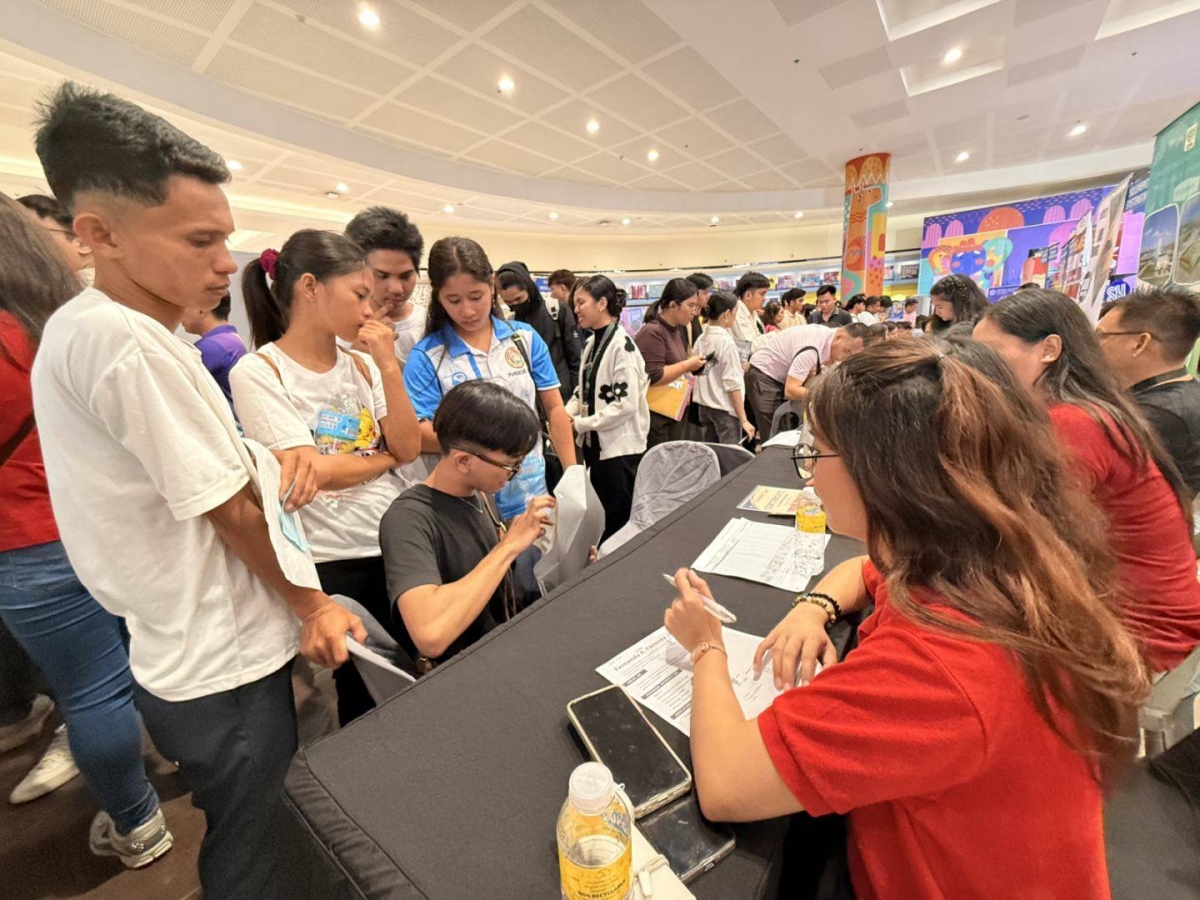
Government-led hiring lanes aim to accelerate workforce entry for young graduates. Lowering time-to-hire may stabilize entry-level labor supply and wages.
The Department of Education and the Department of Labor and Employment have introduced dedicated green lanes for Senior High School graduates at government-sponsored Labor Day job fairs. This initiative aims to accelerate the transition of young workers into the formal economy by streamlining the application process for entry-level positions.
Streamlining Workforce Integration
The implementation of green lanes represents a structural effort to reduce the friction between secondary education and labor market participation. By prioritizing these candidates at major hiring events, the government intends to bypass traditional administrative bottlenecks that often delay the onboarding of new graduates. This policy shift addresses the persistent challenge of youth unemployment by creating a direct pipeline from the classroom to active employment sectors.
For employers, the initiative provides a concentrated pool of labor that is ready for immediate placement. The focus on Senior High School graduates suggests a shift in labor policy toward vocational readiness and rapid skill deployment. This mechanism is designed to stabilize the entry-level labor supply, particularly in industries requiring high-volume staffing during seasonal peaks.
Economic Transmission and Policy Impact
The success of these green lanes will be measured by the absorption rate of graduates into the workforce following the Labor Day events. If the program effectively lowers the time-to-hire for these candidates, it could serve as a model for future labor market interventions. The broader market analysis suggests that such supply-side policies are critical for maintaining labor force participation rates as the demographic profile of the workforce evolves.
Increased participation from younger cohorts typically exerts downward pressure on wage inflation for entry-level roles. By expanding the available labor pool, the government is attempting to balance the demand for workers with the supply of available talent. This dynamic is essential for sectors that rely on consistent labor inflows to maintain operational capacity.
Future updates from the Department of Labor and Employment regarding the total number of successful placements will be the primary indicator of the program's efficacy. Monitoring these figures will provide insight into whether this policy effectively bridges the gap between educational output and private sector demand. The next concrete marker will be the post-event reporting on hiring volumes and the subsequent impact on regional labor statistics.
AI-drafted from named sources and checked against AlphaScala publishing rules before release. Direct quotes must match source text, low-information tables are removed, and thinner or higher-risk stories can be held for manual review.