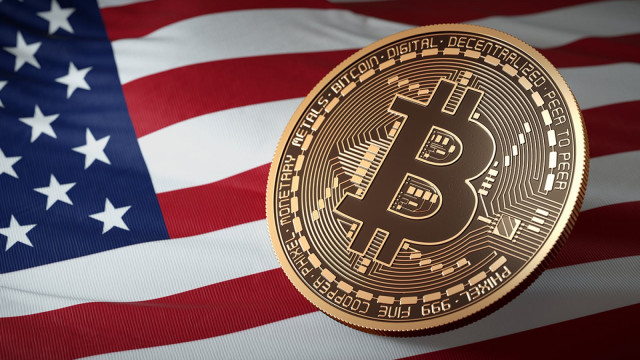
Pew survey shows 19% of US adults hold crypto, flat from 2021. Republican adoption rose to 22% while Democrats held at 17%, creating a partisan gap that reshapes regulatory risk.
The Pew Research Center survey shows 19% of U.S. adults have invested in or used cryptocurrency, roughly flat from 16% in 2021. The headline stability masks a widening political divide. Republican and Republican-leaning independent adoption rose to 22% from 16% in 2021. Democratic usage held steady at 17%. This is the first statistically significant partisan split the survey has captured, and it changes how traders should read the regulatory landscape.
The 2021 survey showed no partisan difference. Both groups sat near 16%. The current administration has set a goal of making America the "crypto capital of the world," a policy stance that aligns with pro-crypto Republican messaging at the federal and state level. The 22% figure for Republicans reflects a net gain of roughly 6 percentage points. The 17% Democratic figure is unchanged. That asymmetry matters for regulatory forecasting. If crypto usage becomes a partisan identity marker, legislative pressure shifts. Republican-led states are more likely to pass industry-friendly laws. Democratic-controlled states may tighten consumer-protection rules. The survey data suggests a polarization of adoption that could create a patchwork of state-level regulations rather than a single federal framework.
The survey confirms that young men are the core user cohort. Among men ages 18 to 29, 38% have invested in, traded, or used crypto. Among men ages 30 to 49, the figure is 40%. Both are significantly higher than the national average. For women ages 18 to 29, only 15% report crypto use. The gap between young men and young women is 23 percentage points, the largest demographic spread in the survey. Upper-income households – those earning over $100,000 annually – show 27% adoption, versus roughly 15% for middle- and lower-income brackets. Wealth concentration in crypto ownership is not new. The survey frames it against a stable total market, meaning new users are disproportionately affluent and male.
Those demographic clusters are relevant for product design and broker positioning. Platforms targeting retail flows should expect their user base to skew young, male, and high-income. That profile responds to volatility and leverage differently than a broader retail audience. For the broader crypto market analysis, the flat headline adoption rate suggests the next leg of growth requires either a new regulatory catalyst or a price-driven retail re-entry.
The 19% figure is close to the 16% from 2021, despite the 2022 bear market and the FTX collapse. That resilience implies a sticky base of users who did not exit during the downturn. For regulators, the data point cuts two ways. A stable user count lowers the urgency for emergency rulemaking. The partisan skew increases the risk that rulemaking becomes politicized. The administration's "crypto capital" rhetoric may have contributed to the GOP uptick without drawing in new Democrats. If that dynamic persists, federal legislation like the CLARITY Act or the seven crypto tax drafts now in the House could face a split reception along party lines. The survey offers a baseline for measuring whether those bills shift adoption behavior.
The use case also matters. The Pew survey does not distinguish between speculative trading and payments. Earlier research from the Federal Reserve found that most crypto owners hold it as an investment, not for transactions. The 19% figure likely captures a mix of exchange-based trading, stablecoin savings (particularly among unbanked populations, though the survey did not break that out), and occasional remittance use. That ambiguity limits the survey's direct trading value. The political proxy is useful. If GOP adoption continues to climb, the next regulatory debate will center on state-level preemption of federal rules.
The 2024 election cycle is the next catalyst for this data. If Republican turnout correlates with crypto ownership, candidates who campaign on pro-crypto platforms may see a marginal boost in young male and high-income districts. Conversely, Democratic skepticism could harden. The survey provides a before-and-after snapshot. Subsequent Pew releases in 2025 will test whether the partisan gap widens or stabilizes. For traders, the immediate implication is regulatory dispersion. Compliance costs will vary by state, creating arbitrage opportunities for best crypto brokers willing to manage multi-jurisdiction licensing. The stable 19% headline masks a politicized user base, and that is the story worth tracking through midterm primaries and state legislative sessions.
Prepared with AlphaScala editorial tooling from the source reporting linked above. Indexable analysis may include a cited Alpha Score value. Publishing checks screen each story before release. Educational coverage, not personalized advice.