The United States and Iran agreed early Monday to end their war. A signing ceremony is set for Friday in Switzerland. Pakistani Prime Minister Shehbaz Sharif announced the deal, saying it calls for an immediate halt to military operations on all fronts, including in Lebanon.
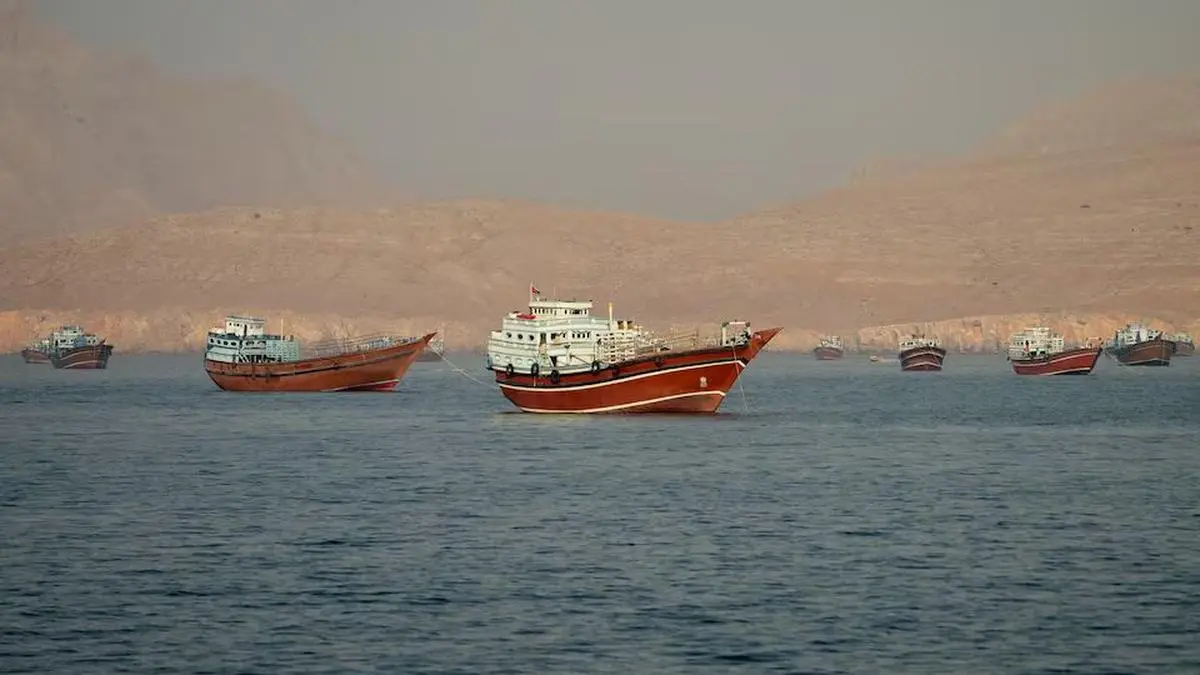
The agreement reopens the Strait of Hormuz and ends the U.S. blockade of Iranian ports, according to multiple sources familiar with the draft. The blockade had cut roughly 1.5 million barrels per day of Iranian crude from global markets. The Strait reopening removes the single largest supply-side risk in oil – a risk that had built up since the conflict began in February.
The nuclear question is deferred. A senior Iranian official told Reuters that under the draft, the United States will release $25 billion in frozen Iranian assets. In exchange, Iran agreed not to produce or acquire nuclear weapons and to maintain its current enrichment levels for 60 days while final terms are negotiated.
Those 60-day talks are now the biggest unresolved risk. If they break down, the military truce could collapse. If they succeed, the broader normalization that markets have priced in since the first ceasefire rumors will hold.
The deal survived a Sunday Israeli strike on Beirut's southern suburbs that killed several Hezbollah operatives. Iran's foreign ministry blamed the United States and warned of a "strong response". President Trump criticized the attack on Truth Social, saying it "should not have happened, particularly on a special day when we are so close to a Peace Deal with Iran." Israel is not party to the negotiations. Prime Minister Benjamin Netanyahu has resisted American demands to curb military action in Lebanon. That tension has repeatedly tested oil peace trades in recent weeks.
Iran's top military command described itself with its "finger (on) the trigger" ready to fire at "the enemy's heart". The language reads more as bargaining posture than a threat to walk away, given that Iranian negotiator Mohammad Baqer Qalibaf had just hours earlier accused the United States of lacking "the will and ability to fulfill your commitments."
For markets, the deal closes a chapter of extreme geopolitical uncertainty. A previous U.S.-Iran peace framework sent oil below $85 and weakened the dollar. The same playbook is likely this time: Brent crude's risk premium disappears, energy stocks lag, and risk-on sectors such as airlines and tech see buying flows.
What confirms the peace holds: the Strait of Hormuz reopens without disruption. No further Israeli airstrikes in Lebanon. The 60-day nuclear talks produce a framework agreement.
What breaks it: a new Israeli-Iranian clash. A breakdown in the nuclear talks. A failure to release the $25 billion in frozen assets on schedule, which Iran could treat as a breach.
The signing ceremony is scheduled for Friday. No venue has been announced.