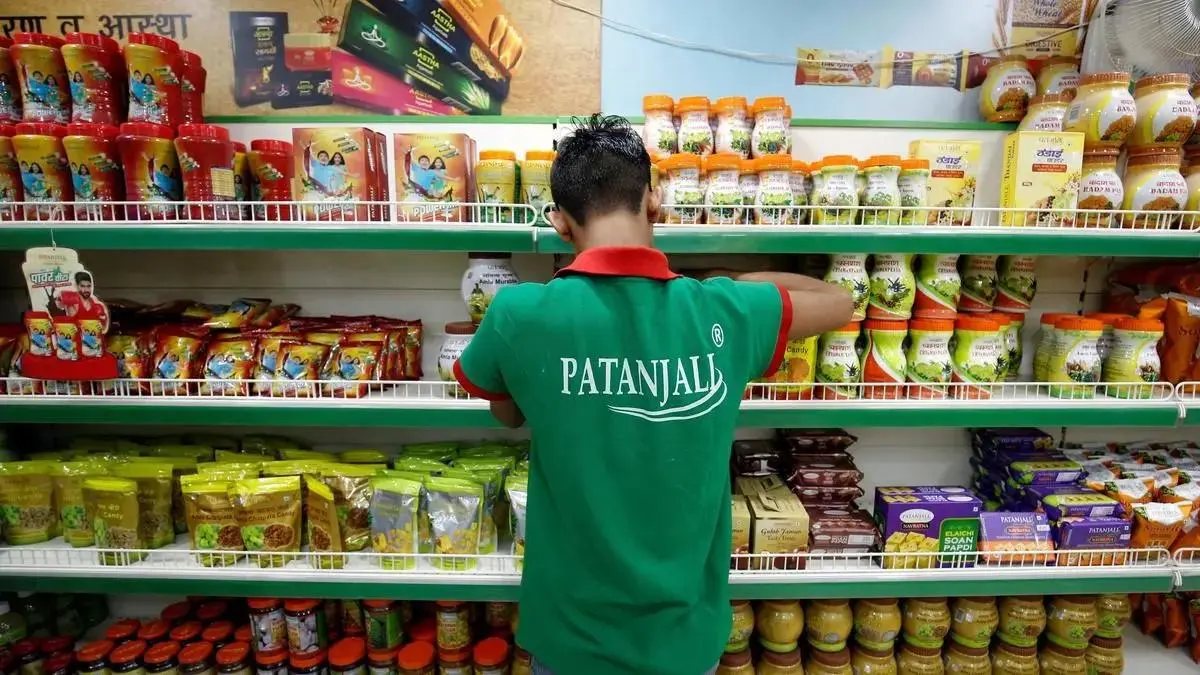
Patanjali Foods management held its FY27 targets even as it flagged El Niño risks to rural incomes and demand on the Q1 earnings call. The company pushed through price increases across categories to offset steep cost inflation in edible oils, crude-linked inputs, packaging, freight and logistics. Pricing drove most of the sales expansion in edible oils and helped normalise growth in foods, where the company pointed to strong biscuit sales, with particular traction in ₹5 and ₹10 packs and a push into premium segments like almond cookies.
In edible oils, the company carries a long position and benefits from rising prices. Q1 operating margins widened by 340 basis points. Management sees persistent inflation from supply disruptions and higher transport costs, which keeps the price environment favorable for that segment.
FMCG margins, covering foods and home and personal care, contracted under the same input-cost pressure, with staples hit hardest. The company reaffirmed FY27 EBITDA growth of 12-15 percent for the FMCG unit.
Analysts raised FY27 and FY28 earnings estimates by 3-4 percent to incorporate the edible-oil margin beat and introduced FY29 projections. Over five years, they model revenue and EPS compound annual growth of 10 percent and 23 percent. The stock carries a Buy rating with a revised target of ₹580, down from ₹600, based on a 30x June 2028 earnings multiple.
The shift from March to June 2028 as the valuation anchor suggests the bull case depends on sustained margin expansion in oils, not a near-term re-rating. The lower target while maintaining a Buy rating implies analysts see more value in the earnings growth path than in the current price.
For a broader look at market analysis, the trends here highlight how input-cost cycles and pricing power interact across food and staples -- a dynamic that plays out in different ways for commodity-heavy processors versus branded FMCG players.