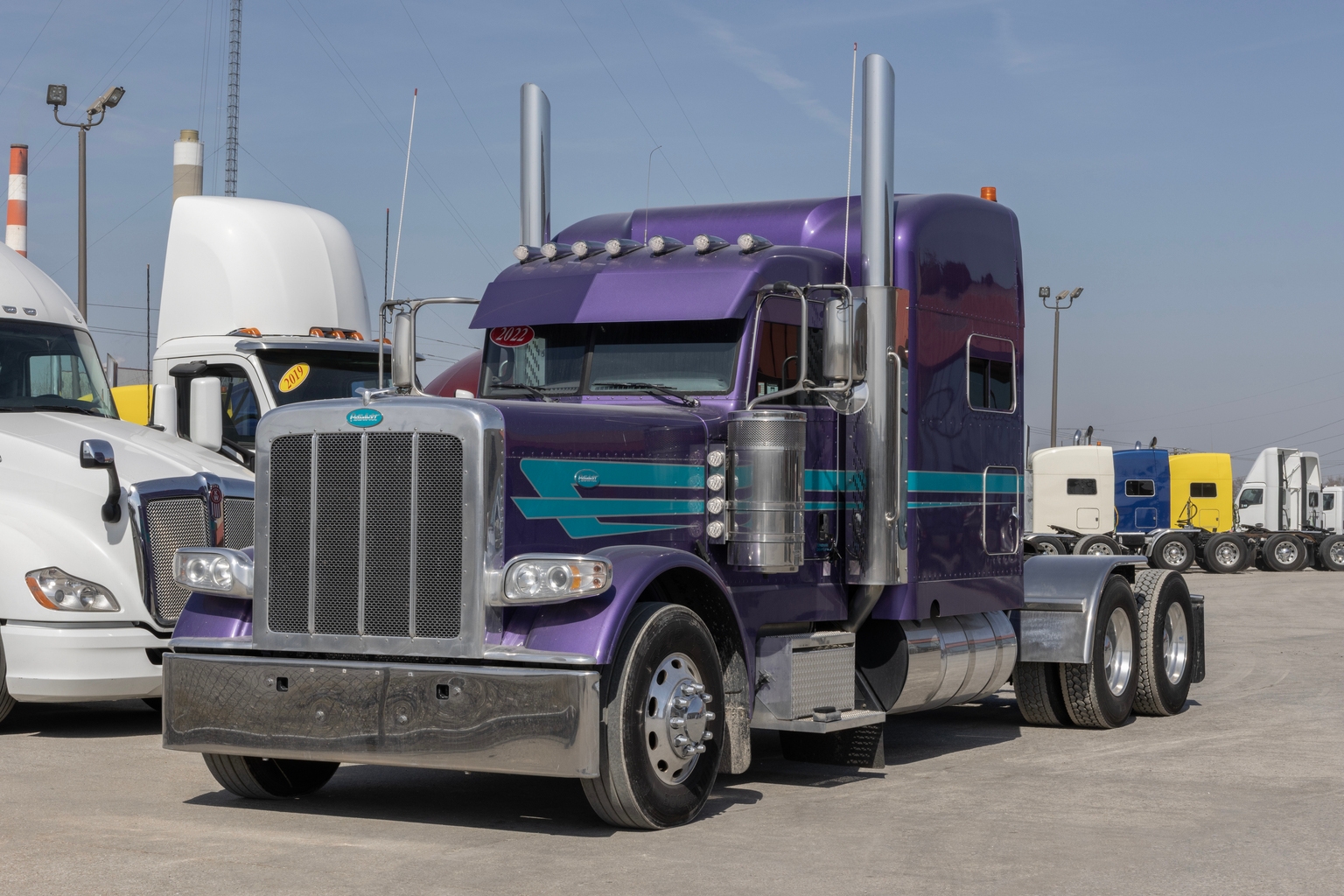
PACCAR Inc. faces a tightening margin environment as the heavy-duty truck market navigates a period of cooling demand and shifting fleet replacement cycles. The company, which maintains an Alpha Score of 41/100, is currently contending with a narrative of operational deceleration that stands in contrast to its historical performance as a premium manufacturer. Investors are now forced to reconcile the company's long-term manufacturing efficiency with the immediate reality of cyclical softening in the North American freight sector.
Cyclical Pressure and Margin Compression
The primary concern for PCAR stock page centers on the sustainability of its current pricing power in an environment where freight rates remain under pressure. As logistics providers delay capital expenditures, the order backlog for heavy-duty trucks has begun to normalize, removing the buffer that previously insulated the company from broader industrial volatility. This shift in order book dynamics is critical, as it suggests that the peak of the current replacement cycle has passed, leaving the company vulnerable to lower production volumes in the coming quarters.
Operational costs remain elevated, and the company must now manage these expenses against a backdrop of potentially lower top-line growth. The transition toward newer, more expensive engine technologies and the integration of electric vehicle platforms add a layer of complexity to the cost structure. If demand continues to wane, the ability to pass these costs to customers will diminish, likely leading to a contraction in operating margins that the market has not yet fully priced into the current valuation.
Valuation and Capital Allocation Risks
Despite the recent operational headwinds, the stock continues to trade at a valuation that assumes a level of growth consistency that may be difficult to maintain. The market has historically rewarded the company for its balance sheet strength and consistent dividend policy, but these factors are secondary when the core business faces a sustained period of volume decline. Investors should focus on the following indicators as the company approaches its next earnings release:
- The trend in North American Class 8 truck order intake compared to historical averages.
- Changes in the company's inventory levels of finished vehicles and components.
- Management commentary regarding the pace of fleet renewal among major logistics partners.
As market analysis suggests, the broader industrial sector is currently undergoing a re-rating process as participants adjust to higher interest rates and a more cautious corporate spending environment. PACCAR is not immune to these systemic shifts. The company's ability to maintain its competitive position depends heavily on its capacity to manage production levels without triggering significant inventory build-ups that would necessitate aggressive discounting.
The Path Toward Earnings Transparency
The upcoming earnings report serves as the primary catalyst for a potential re-evaluation of the stock. Investors should look for specific guidance on production targets for the remainder of the fiscal year, as this will provide the most accurate signal regarding management's internal outlook on demand. Any deviation from current production guidance will likely serve as the definitive marker for the stock's performance in the near term. If the company signals a reduction in output to preserve margins, it will confirm the transition into a defensive posture, which may lead to further volatility in the share price.