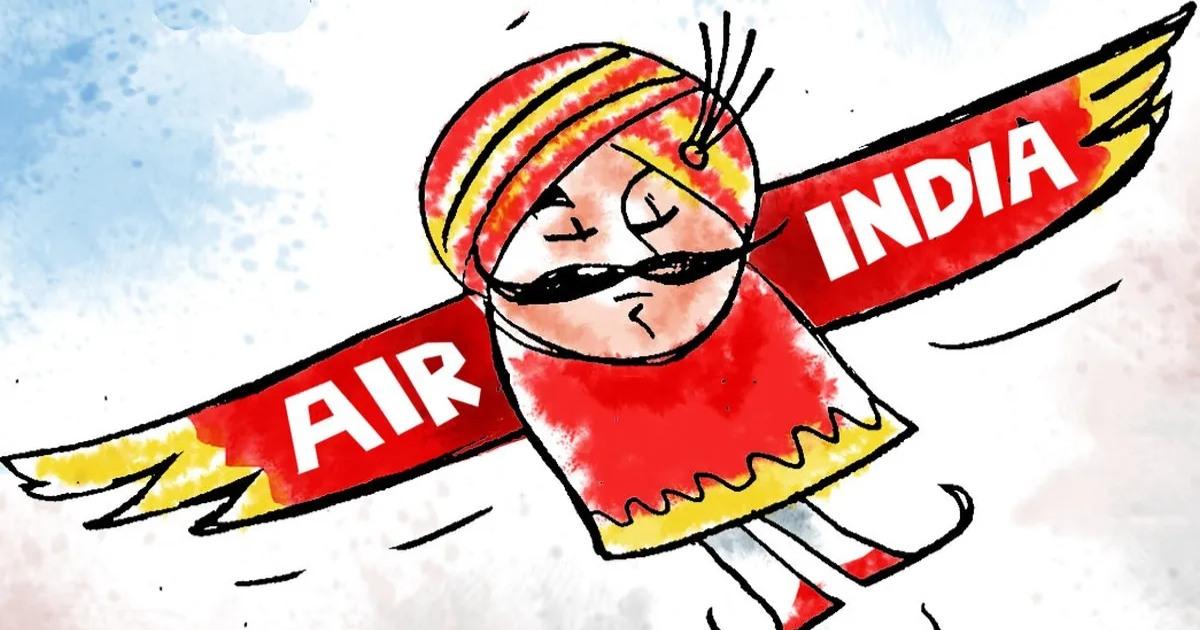
Operational Friction and the Evolving Tata Group Narrative

Concerns regarding service quality across Tata Group subsidiaries are prompting a re-evaluation of the conglomerate's historic commitment to customer-centricity and operational accountability.
Alpha Score of 45 reflects weak overall profile with strong momentum, poor value, poor quality, weak sentiment.
Alpha Score of 47 reflects weak overall profile with moderate momentum, poor value, moderate quality. Based on 3 of 4 signals — score is capped at 90 until remaining data ingests.
Alpha Score of 49 reflects weak overall profile with strong momentum, poor value, moderate quality, weak sentiment.
Alpha Score of 43 reflects weak overall profile with moderate momentum, weak value, weak quality, poor sentiment.
The recent critique regarding service quality across Tata Group subsidiaries signals a potential shift in the narrative surrounding one of India's most storied conglomerates. When a diversified entity known for institutional trust faces public scrutiny over customer-centricity, the implications extend beyond individual service failures. The core of the concern lies in whether the rapid expansion and integration of digital-first business models have outpaced the group's traditional commitment to accountability.
Service Delivery and Institutional Trust
The perception of declining service standards within the Tata ecosystem creates a friction point for investors who rely on the brand as a proxy for operational excellence. Historically, the Tata name functioned as a premium indicator of reliability, allowing companies within the group to command loyalty across sectors ranging from retail to technology. If this brand equity begins to erode due to inconsistent customer experiences, the group may face higher costs to retain market share in increasingly competitive landscapes.
This development is particularly relevant as the group continues to integrate its various consumer-facing platforms. The challenge of maintaining a unified standard of service across disparate business units is significant. Investors often look to stock market analysis to determine if such operational headwinds are isolated incidents or symptoms of deeper structural integration issues. The current discourse suggests that the market is beginning to weigh the trade-off between aggressive scaling and the maintenance of legacy service benchmarks.
Sector Read-Through and Competitive Positioning
Beyond the immediate impact on customer sentiment, the critique highlights a broader vulnerability within the conglomerate structure. As Tata companies push further into digital services and retail, they face agile competitors that prioritize user experience as a primary growth driver. The group's ability to pivot its service culture will determine its long-term competitive positioning in sectors where switching costs are low and brand reputation is the primary differentiator.
- Increased scrutiny on customer-facing subsidiaries.
- Potential for brand dilution if service gaps persist.
- Pressure on management to reconcile rapid growth with legacy values.
AlphaScala data indicates that institutional interest in diversified conglomerates often hinges on the consistency of performance across subsidiary units. When the narrative shifts from growth to operational reliability, the valuation multiples assigned to these entities often undergo a period of compression. This is especially true for companies that have historically traded at a premium due to the perceived safety and integrity of the parent brand.
The Path to Operational Accountability
The next concrete marker for the Tata Group will be the upcoming quarterly performance reviews and management commentary regarding customer retention metrics. Investors should monitor whether the group initiates internal audits of its service-level agreements or introduces new transparency measures to address these public concerns. Any shift in capital allocation toward customer experience infrastructure would serve as a key indicator that the group is prioritizing the restoration of its service-focused legacy. The market will look for evidence that the conglomerate can bridge the gap between its ambitious expansion goals and the operational realities of its diverse customer base.
AI-drafted from named sources and checked against AlphaScala publishing rules before release. Direct quotes must match source text, low-information tables are removed, and thinner or higher-risk stories can be held for manual review.