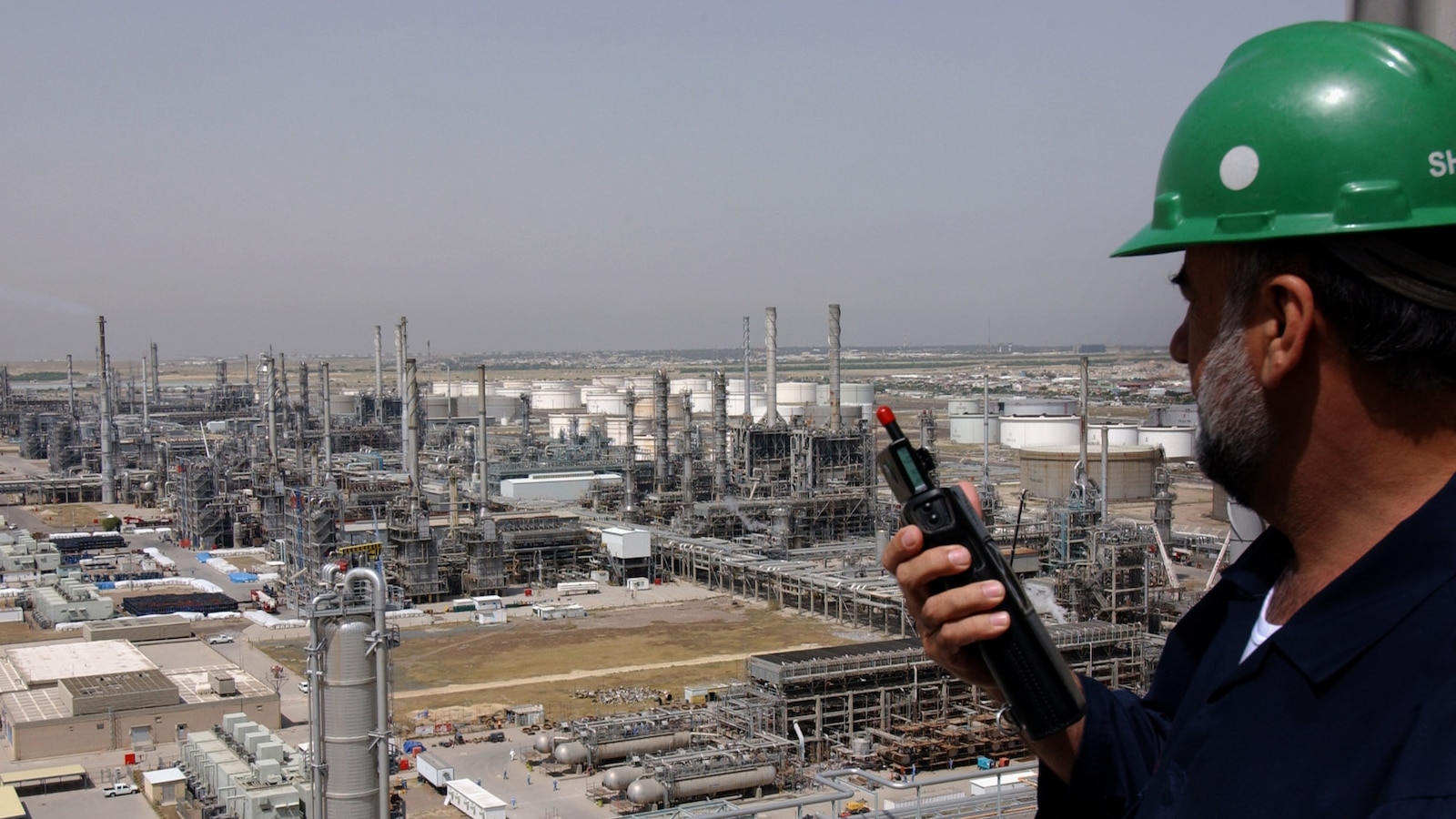
Seven OPEC+ countries, including Saudi Arabia and Russia, agreed to raise output by 188,000 barrels per day in August. The group called the move a cautious response to falling prices. Brent crude closed under $72 a barrel on Friday, a level not seen since before the U.S. and Iran went to war in late February.
The headline looks simple: OPEC+ is adding supply as prices slide. The practical picture is more constrained. The 188,000 bpd figure is tiny relative to the roughly 3.5 million bpd of Gulf production that was shut in when the Strait of Hormuz effectively closed during the conflict. S&P Global Energy estimates Gulf output will not fully recover until at least the first quarter of 2027. Restarting wells that have been offline for months, especially in high-pressure formations, takes time, testing, and often workover rigs. The 188,000 bpd reflects only what is ready to flow now.
Price pressure eased after the U.S. and Iran reached an interim deal that reopened the Strait for commercial shipping. More vessels have transited the waterway, which before the war carried roughly one-fifth of the world's oil. Tensions remain. Iran's joint military command warned Thursday that all tankers must use its approved routes or face a "forceful response."
Offer volumes for August-loading crude from the Middle East are expected to rise modestly this week as producers finalize monthly allocations. The question is whether those barrels find buyers. Global refinery maintenance is light in August, and Asian demand has been patchy. If physical crude fails to clear at offered volumes, the 188,000 bpd increase could pressure prices further. That outcome would strengthen the case that the market is already well supplied, especially with the gradual return of Iranian barrels under the interim deal.
The confirming scenario: Saudi and Iraqi official selling prices for August decline sharply, indicating competition for market share, while spot premiums for sour grades hold steady. The weakening scenario: premiums collapse, suggesting the extra barrels are not needed.
For a trader watching this setup, the core question is not whether OPEC+ cut or raised–it is how quickly offline capacity can resume. The 188,000 bpd is a test of restart feasibility. If subsequent monthly increases stay in the same range, the market will assume the 2027 S&P estimate is roughly right. That keeps the forward curve anchored higher than current spot prices imply.