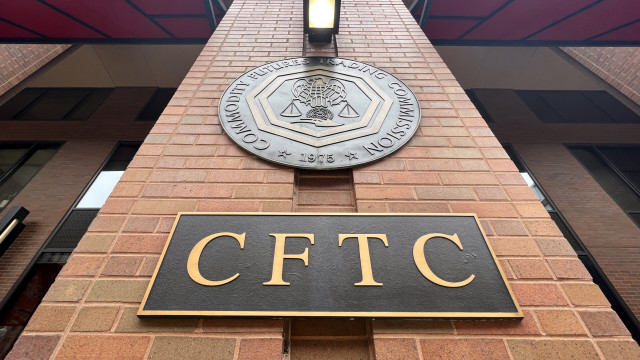
The CFTC is running with a single commissioner – Republican Chair Michael Selig – on a panel designed to seat five. That vacancy has become the main obstacle to the Clarity Act, the market-structure bill that would give the agency authority over spot trading in digital commodities.
The Clarity Act cleared the House in July 2025. The Senate version is stuck because the White House and Senate Democrats cannot agree on who fills the four empty CFTC seats. The White House said in a Thursday letter that Democrats have not proposed candidates for the Democratic slots. Democrats argue the administration has refused to nominate anyone. Either way, the agency is understaffed at precisely the moment Congress is trying to hand it a multi-trillion-dollar market.
Selig has been clear about the stakes. In a Fox Business interview this week, he said that if Congress does not act, regulators will end up “writing all the rules” for crypto. The bill was designed to prevent that – to create a statutory framework so the market does not depend on agency improvisation.
Lummis is more direct. “It is likely our last chance to get real legislation for digital assets on the books before 2030,” she wrote on X. If Congress fails, “we are ensuring another country will write the rules for digital assets and we spend the next decade catching up.”
The bill itself has three clauses that are slowing the vote. One protects blockchain developers who do not hold user funds. Another, Section 604, would exempt certain developers from money-transmitter rules – a carve-out critics say weakens anti-money-laundering tools. The third lets platforms like Coinbase keep paying “rewards” on stablecoin holdings, something the GENIUS Act would bar issuers from doing directly.
Standard Chartered analysts said the stablecoin yield provision alone could pull $1 trillion in deposits away from traditional banks by 2028. That estimate explains why the American Bankers Association rejected a White House compromise on the bill in March.
The Senate returns from recess on July 14. Voting is expected but uncertain given the political standoff.
The broader market did not react strongly Thursday. Total crypto market cap rose about 1% to near $2.2 trillion. Bitcoin traded near $63,773. That calm could flip depending on what happens after July 14 and whether the CFTC gets more commissioners.
The agency has lost 21 percent of its employees, according to prior reports. With 543 staff – versus about 4,200 at the SEC – a single commissioner running a shrunken shop raises questions about whether the CFTC can oversee a 24/7 market of this size. House Agriculture Committee leaders Thompson and Craig wrote to Trump in May that rules imposed by one person are easier to challenge in court. A full panel of five, they argued, produces “more durable rules.”
For crypto firms deciding where to operate, durability matters. The bill provides a clear US framework. Without it, foreign regimes – the EU’s MiCA, Singapore’s regulatory structure, Hong Kong’s licensing system – will keep drawing capital and talent. Lummis's warning about a decade of catching up is not just political rhetoric. It reflects a real timing problem.
The risk event is the CFTC vacancy itself. Five seats, one filled. The Clarity Act cannot advance without a functioning commission. The July 14 reconvene date is the next concrete marker. If the nomination impasse continues, the bill stalls, and the US waits another year or more while other jurisdictions move.
Coinbase, whose CLO Paul Grewal stepped down ahead of the Clarity Act vote, is directly affected. The bill's third clause would allow the exchange to continue paying stablecoin rewards, a revenue stream that would otherwise face regulatory uncertainty.