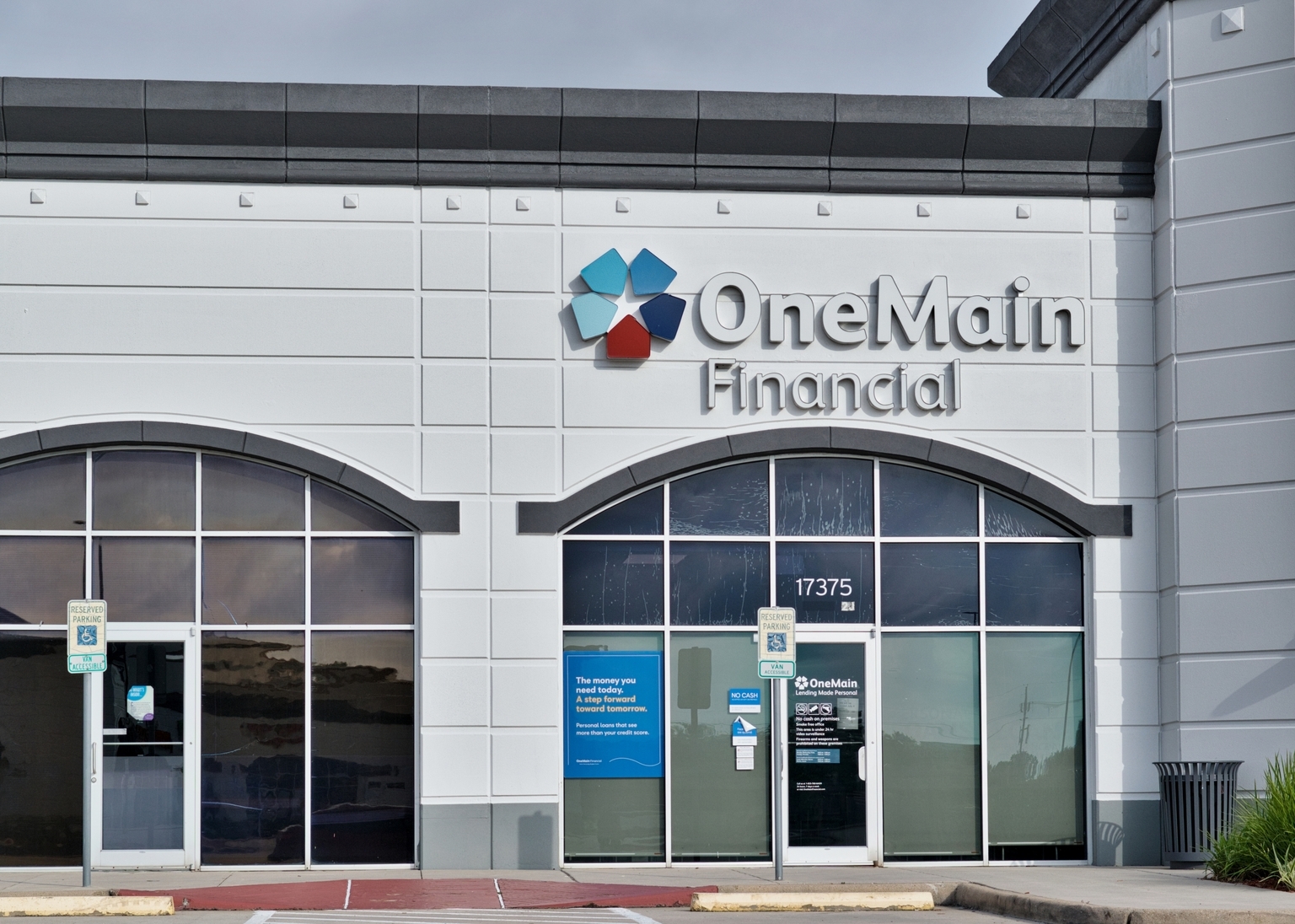
OneMain Holdings (OMF) has dropped more than 20% from its winter highs, even as the stock eked out a 7% gain over the trailing twelve months. The gap between the yearly performance and the 2026 slide is the whole story. The simple read is that credit fears are weighing on the subprime lender. The better market read asks whether the sell-off is a front-running of consumer weakness that data has not yet confirmed.
OneMain's 20% Drawdown: A Front-Running of Consumer Credit
OMF is a subprime consumer lender. Its borrowers carry higher risk and pay higher rates. When credit fears emerge, the stock tends to reprice before delinquencies show up on the books. The 20% correction from the winter peak suggests the market is pricing in a material increase in defaults. That pricing may be ahead of actual data. The 7% trailing gain tells a different story: the company navigated the rate cycle without a credit event.
The risk event is not a single headline. It is a cluster of macro signals: consumer savings drawdown, rising auto loan and credit card delinquencies, and a labor market cooling in pockets. For a lender like OMF, the exposure is direct. Higher delinquency rates erode net interest income and force higher provisioning. The stock's fall from winter highs is the market's way of front-running that outcome.
What Credit Fears Mean for OMF's Valuation and Liquidity
The better market read involves valuation and liquidity. OMF trades at a price-to-earnings multiple that already reflects a cautious outlook. If credit data over the next two quarters comes in better than the embedded pessimism, the stock could recover quickly. If the data confirms the fears, the downside may not be as sharp as the initial correction because much of the damage is already priced. The question is whether the 20% drop is enough of a buffer.
- What would reduce the risk: A stable or improving consumer credit report in the next monthly or quarterly data from the Fed or TransUnion. Lower unemployment claims. Earnings that show provisioning within guidance.
- What would make it worse: A sharp uptick in subprime 60-day delinquencies. A downward revision to full-year earnings guidance. A broader macro shock that pushes unemployment higher.
Next Checkpoints: Delinquency Data and Earnings
The immediate timeline for OMF is tied to two events. First, the company's next quarterly earnings report will include delinquency and charge-off data for early 2026. That report is the most concrete catalyst. Second, the Federal Reserve's consumer credit data releases provide industry-level context before the company's own numbers. The next monthly consumer credit report is due in March 2026.
Investors watching the stock should focus on the consumer credit narrative in isolation. OMF is not a broad market proxy; it is a single-name bet on subprime consumer health. The stock's 20% decline from winter highs is already a large move for a lender of its size. It can widen or narrow depending on whether the incoming data matches the fear or the resilience.
The next decision point for holders is the earnings call. If management signals that credit trends are within historical norms, the sell-off may have overshot. If they confirm the credit fears, the stock has further to fall. Either way, the 7% trailing gain is now a secondary data point. The market is watching the next ninety days, not the last twelve months.
For broader stock market analysis context, credit-sensitive names like OMF often lead the sector in repricing macro risk before the official data arrives. The coming weeks will test whether the 20% sell-off was a warning or an overreaction.