Crypto▼ Bearish
Oliver: Trump Made $2.2 Billion, Most From Crypto
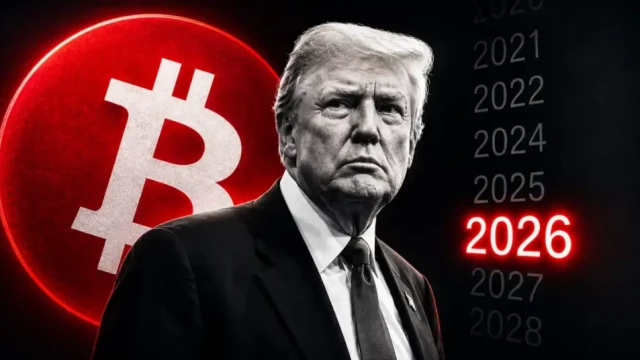
Oliver said Trump earned $2.2 billion in his first year back in office, with $1.4 billion from crypto. The meme coin crashed 92% after a $50 billion peak.
Continue with
HBO's John Last Week Tonight host John Oliver devoted a segment to Donald Trump's crypto business, arguing the president's digital-asset ventures have blurred the line between political office and private profit. Oliver said Trump's crypto-related income has overtaken his traditional real estate and hotel businesses as the family's largest revenue source.
Trump earned more than $2.2 billion during his first year back in the White House, Oliver claimed, citing public filings and token-sale data. Nearly $1.4 billion of that came from crypto projects run by his family, according to Oliver's analysis.
Much of the episode targeted the Trump family's meme coin. The token briefly hit a market valuation of nearly $50 billion before crashing about 92%. Oliver said Trump personally made around $636 million from the project. Melania Trump launched her own token shortly after, a move Oliver said many initially attributed to a hacked social-media account because it seemed so improbable.
Oliver described special dinners organized for top meme-coin holders at the White House. Simply announcing those events pushed the token price up another 30%, he said. More than one million investors were left holding losses after the rally faded, Oliver added.