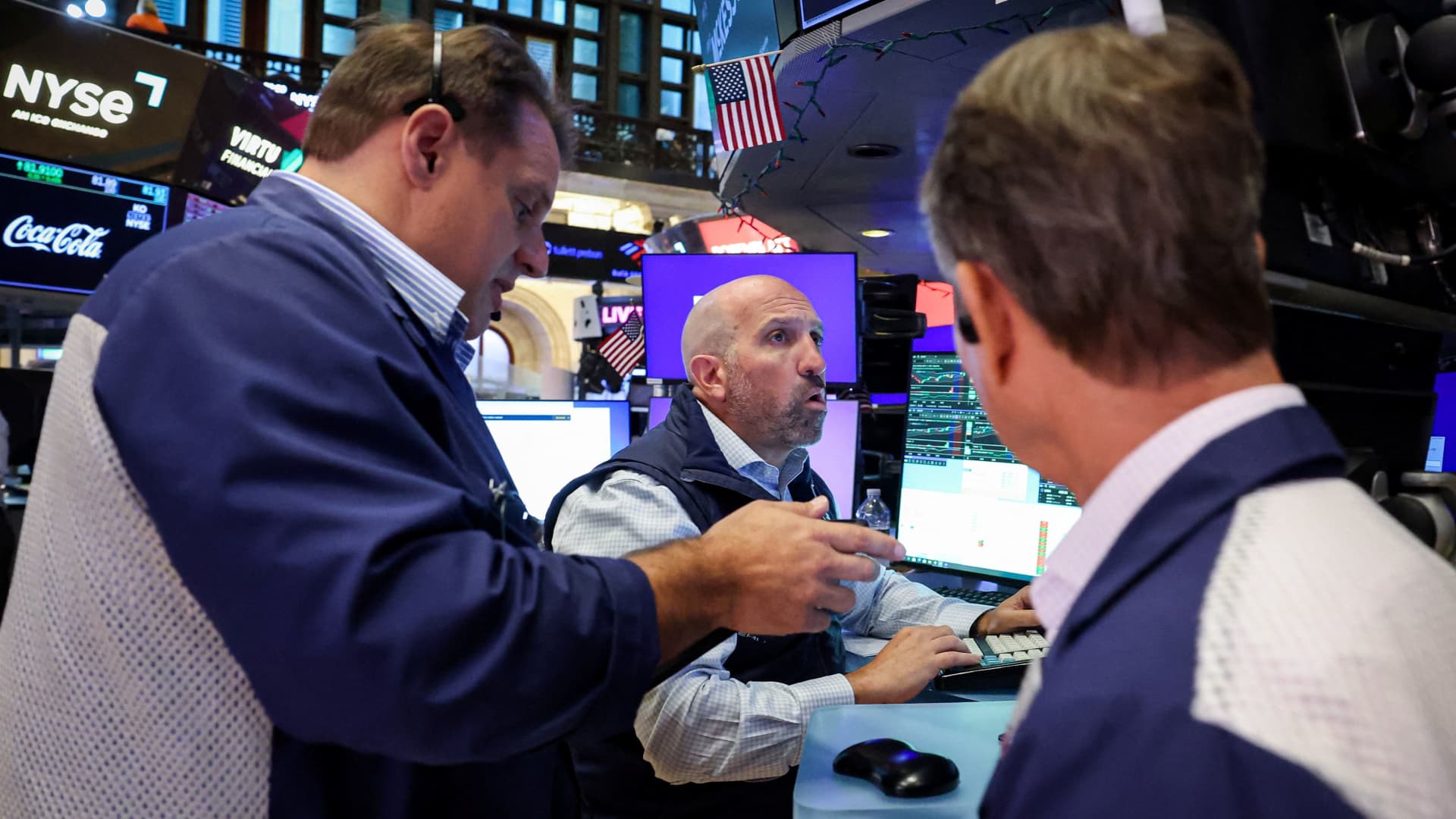
Major U.S. stock indexes slid Thursday after Brent crude futures jumped above $100 a barrel and the 10-year Treasury yield broke through 4.7%, its highest since January. The S&P 500 headed for its biggest one-day drop in a month, according to market data.
Equities had mostly shrugged off the escalating U.S.-Iran conflict since airstrikes began July 12. The S&P 500 stayed flat even as oil climbed and Treasury yields rose. That changed when reports emerged of attacks on tankers off Saudi Arabia. West Texas Intermediate crude surged 6% to $92 a barrel, up more than 28% from lows below $70 earlier this month. The S&P 500 is now down about 2% since the strikes started.
“These problems became too big to ignore,” said Steve Sosnick, chief strategist at Interactive Brokers. “It's too hard to ignore $100 oil. It's too hard to ignore 10-year rates that are above 4.70%. It's too hard for the stock market to ignore 30-year rates that are solidly above 5%.”
The selloff echoed the March downturn when the conflict first erupted. The S&P 500 fell more than 7.5% at its low point as oil surged nearly 70% and investors worried about stagflation. A series of de-escalation announcements and renewed faith in the artificial intelligence trade fueled a rebound in April and May, even as hostilities continued at times.
JPMorgan Chase equity strategists had advised clients earlier this month to use equity weakness from the Iran conflict as a buying opportunity. “The risks of renewed flareups remain, we believe one should keep using any dips on the back of adverse geopolitical headlines in order to add,” they wrote in a note. JPMorgan carries an Alpha Score of 61, rated Moderate.
Sameer Samana, senior global market strategist at Wells Fargo Investment Institute, said traders need to reconsider earlier economic fears. Investors should worry about both higher inflation and the impact higher gas prices may have on consumers, she said. The reignited conflict is a reason to prepare for a larger drawdown in equities, she added. Wells Fargo has an Alpha Score of 60, also rated Moderate.
Sosnick said stocks were also pricing in a tighter borrowing environment for companies. The CME Group FedWatch tool now shows a 38% chance of a rate hike at the Federal Reserve's meeting next week, up from about 12% a week ago. Odds for a hike at the September meeting rose to more than 80% from 53% over the same period. CME Group has an Alpha Score of 56, rated Moderate.
Michael Tanney, CEO of investment advisory firm Pereon Wealth, said the spike is more meaningful to headlines than to client portfolios in the short term. “If we have a sustained price above $120, that's the breaking point where you'll see serious trickle down effects,” he said.
– CNBC's Deena Zaidi, Tanaya Macheel, and Ananya Chetia contributed reporting.