Oil Jumps 6% After U.S. Strikes on Iran, Strait of Hormuz in Focus
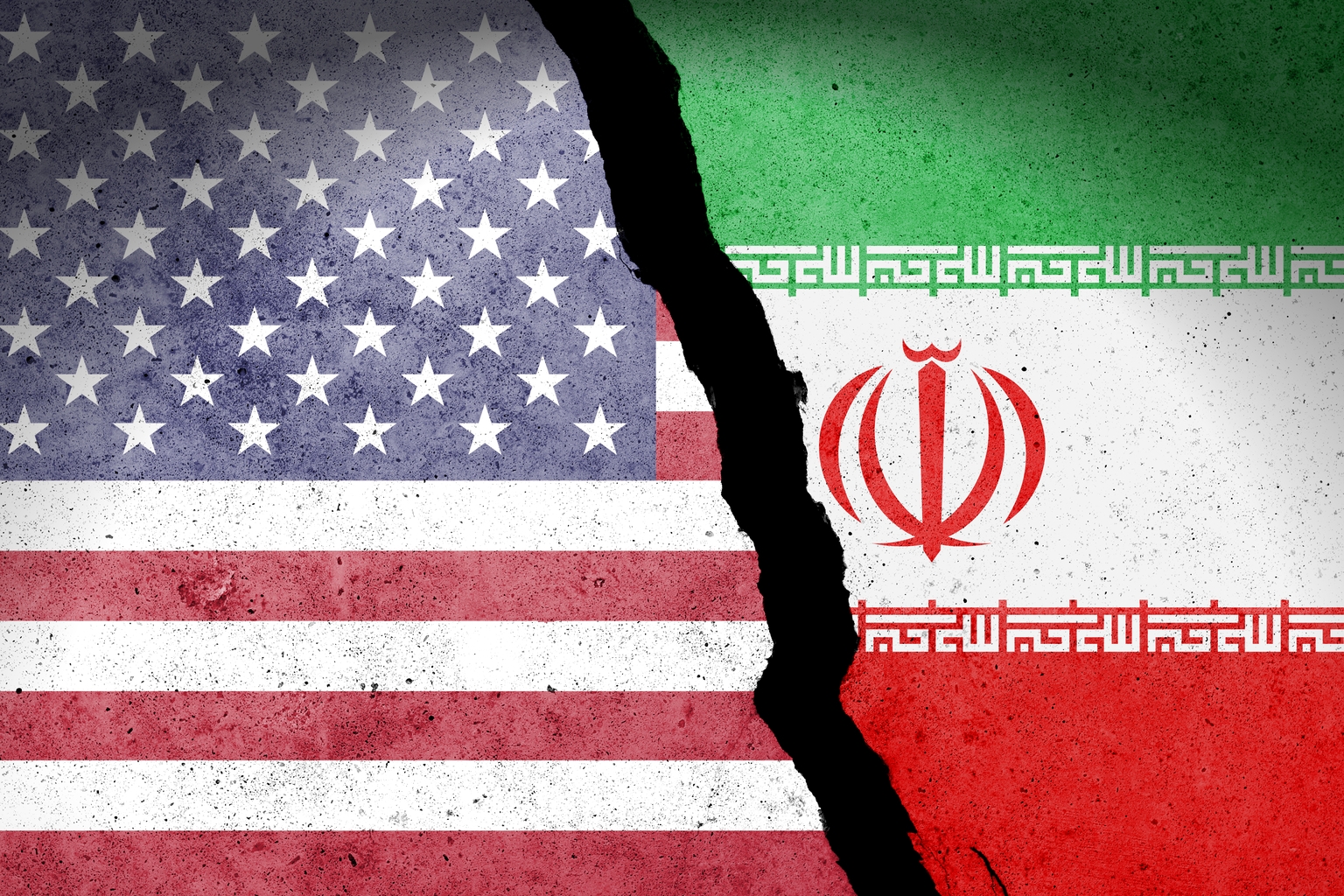
U.S. forces hit Iranian air defense and naval targets near the Strait of Hormuz. Crude jumps 6% to $75 as the risk premium returns. The Islamabad MoU framework is in jeopardy.
Crude oil futures surged 6.3% to nearly $75 a barrel after the U.S. launched a series of strikes against Iranian military assets in and near the Strait of Hormuz late Tuesday. The move added to gains from the regular session and repriced crude above the $70 level that had held as support through June.
The U.S. Central Command said forces hit Iranian air defense systems, command-and-control networks, coastal radar sites, anti-ship missile capabilities, and more than 60 Islamic Revolutionary Guard Corps small boats. The strikes came after attacks on three commercial vessels transiting the strait. The U.S. also revoked its authorization for Iranian oil sales in international markets.
Speaking at the NATO summit in Ankara, President Trump said of the Iran ceasefire: “For me, I think it’s over. As far as I’m concerned it’s just a waste of time.” Iran’s foreign ministry called the license revocation, issued less than 20 days after the June 17 Islamabad Memorandum of Understanding, “yet another indication of the U.S. administration's bad faith, inconsistency, and unreliability.”
The Strait of Hormuz carries about 20 million barrels of oil daily, roughly a fifth of global consumption. The strikes targeted the infrastructure Iran uses to threaten that flow. The revocation of the oil-sales authorization removes a diplomatic off-ramp that had kept the strait open. Taken together, the moves represent the most serious threat to the Islamaba Memorandum of Understanding since it was signed.
Pre-market data showed a 399,000-barrel crude stockpile drop, according to API data. That provided a fundamental tailwind, though the geopolitical risk was the dominant driver.
Separately, the Oklahoma Attorney General sued Allstate, alleging the insurer ran a “Disaster Payment Minimization Scheme” designed to reduce legitimate wind and hail damage claim payments. The state said Allstate limited field adjuster authority, relied on third-party inspectors, and applied restrictive internal standards not disclosed to policyholders. Allstate did not immediately respond to a request for comment.
In media, companies are preparing for the next two World Cups. CNBC reported that Netflix, Disney, and Alphabet’s YouTube are interested in challenging Fox for U.S. broadcast rights to the 2030 and 2034 tournaments. Amazon and Apple could also enter the mix. FIFA has told media companies that English- and Spanish-language rights will likely be sold together, rather than separately as in previous cycles. Fox paid $485 million for the English-language rights to this year’s tournament. Executives are budgeting between $1.5 billion and $2 billion for the rights to each tournament. FIFA expects to begin formal negotiations with potential partners within three months.
Drafted by a large language model from the source reporting linked above, then screened by automated publishing checks. It is not read by a journalist before publication. Some articles cite our Alpha Score. Verify prices and figures against the original source. Educational coverage, not personalized advice.