Oil Jumps 5% as Lebanon Strikes Kill Ceasefire Hopes
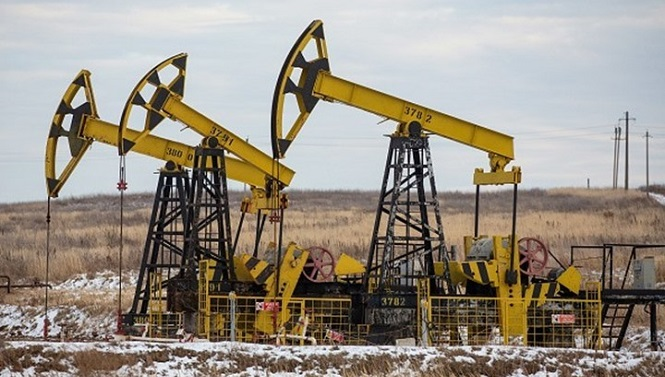
Brent crude jumps 5% after Israeli airstrikes on Lebanon crush ceasefire hopes. The geopolitical risk premium rebuilds through Iran and Strait of Hormuz tail risk. Next catalyst: EIA inventory data on June 11.
Brent crude surged nearly 5% on June 8 after Israeli airstrikes on Lebanon crushed the market's fading hopes for a regional ceasefire. The move erased almost a week of declines and pushed the benchmark back toward the $80 handle, reinserting a geopolitical risk premium that had been steadily unwinding since late May.
Why the Lebanon Strikes Reshape the Crude Oil Risk Premium
The immediate trigger is clear: Israeli airstrikes on Lebanese territory signal that the conflict between Israel and Hezbollah is intensifying, not de-escalating. Crude traders do not price Lebanon itself – the country is a negligible oil producer with no export infrastructure affecting global supply. The mechanism works through two channels.
First, Hezbollah's patron, Iran, sits on the eastern side of the Strait of Hormuz, through which about 20% of the world's seaborne crude passes. Any scenario in which Israel strikes deeper into Lebanon carries a tail risk that Iran becomes directly involved, either by proxy or by threatening the chokepoint. Markets attach a probability to that tail and bid up futures accordingly.
Second, the geopolitical risk premium is a self-reinforcing construct. When truce talks collapse – or when fresh strikes occur – speculative length in WTI and Brent rebuilds. Options markets show increased demand for out-of-the-money calls, which adds upward pressure on the front-month curve. The move on June 8 was amplified by thin weekend liquidity, a common pattern for geopolitical shocks.
Assets Most Exposed to the Escalation Path
The crude complex is the first-in-line asset. The effects ripple across correlated markets.
Crude benchmarks: Brent and WTI futures were the primary movers. The Brent-WTI spread tightened, reflecting a larger relative premium on European-delivered barrels that face more direct supply chain risk from Middle Eastern transit. Dubai crude also rose, given its direct link to Asian refineries that depend on Persian Gulf volumes.
Energy equities: Producers with upstream exposure to the Middle East, including international majors and North Sea operators, tend to rally alongside crude on this type of catalyst. The mechanism is straightforward: higher spot prices lift near-term cash flows and reduce the risk of dividend cuts.
Macro hedges: Gold and the U.S. dollar often trade inversely to risk appetite on a Middle East escalation. Oil-sensitive currencies such as the Norwegian krone and Canadian dollar typically gain against the euro and yen on higher energy receipts.
Timeline: What Would Confirm or Weaken the Setup
The risk event is now binary: either the strikes remain contained to Lebanon, or they expand.
Factors that would weaken the premium and reverse the move:
- Mediation by Egypt or Qatar produces a concrete ceasefire timeline within days.
- Hezbollah issues a statement that it will not respond militarily, lowering the probability of an Iran-linked escalation.
- The U.S. administration publicly pressures Israel to de-escalate, adding diplomatic weight to truce efforts.
Factors that would strengthen the premium and push oil higher:
- A direct Hezbollah rocket attack on Israeli civilian areas, forcing a broader Israeli ground operation.
- Iranian naval vessels move toward the Strait of Hormuz, even in a patrol capacity, as a signalling event.
- A disruption to Iraqi or Saudi loading terminals, even if accidental, that traders read as heightened security risk.
Where Crude Stands After the Jump
Before the June 8 move, Brent had settled below $76, pressured by surprise OPEC+ production increases and weak Chinese import data. The rally to near $79.50 recovers only about half of the ground lost in the prior two weeks. That leaves the market in a zone where the risk premium is priced and still vulnerable to a fade if diplomacy resumes.
The next concrete decision point is the weekly U.S. Energy Information Administration report on June 11. If crude inventories draw by more than 2 million barrels, the market will start to price a genuine tightening, not just a geopolitical scare. If inventories build, the premium will look expensive.
How This Fits Into a Broader Commodity Watchlist
The Lebanon strikes are a reminder that geopolitical risk in oil is a recurring event that often catches short positioning. For traders building a commodity watchlist, this week's action reinforces a simple rule: a 5% jump on a non-supply event is a tactical fade opportunity only if diplomatic channels are open. When they are closed, the premium can persist for weeks.
For ongoing coverage of crude oil fundamentals and risk factors, see the crude oil profile and the broader commodities analysis desk.
Drafted by a large language model from the source reporting linked above, then screened by automated publishing checks. It is not read by a journalist before publication. Some articles cite our Alpha Score. Verify prices and figures against the original source. Educational coverage, not personalized advice.