Commodities● Neutral
Oil Extends Gains as Trump Calls Iran Ceasefire 'On Life Support'
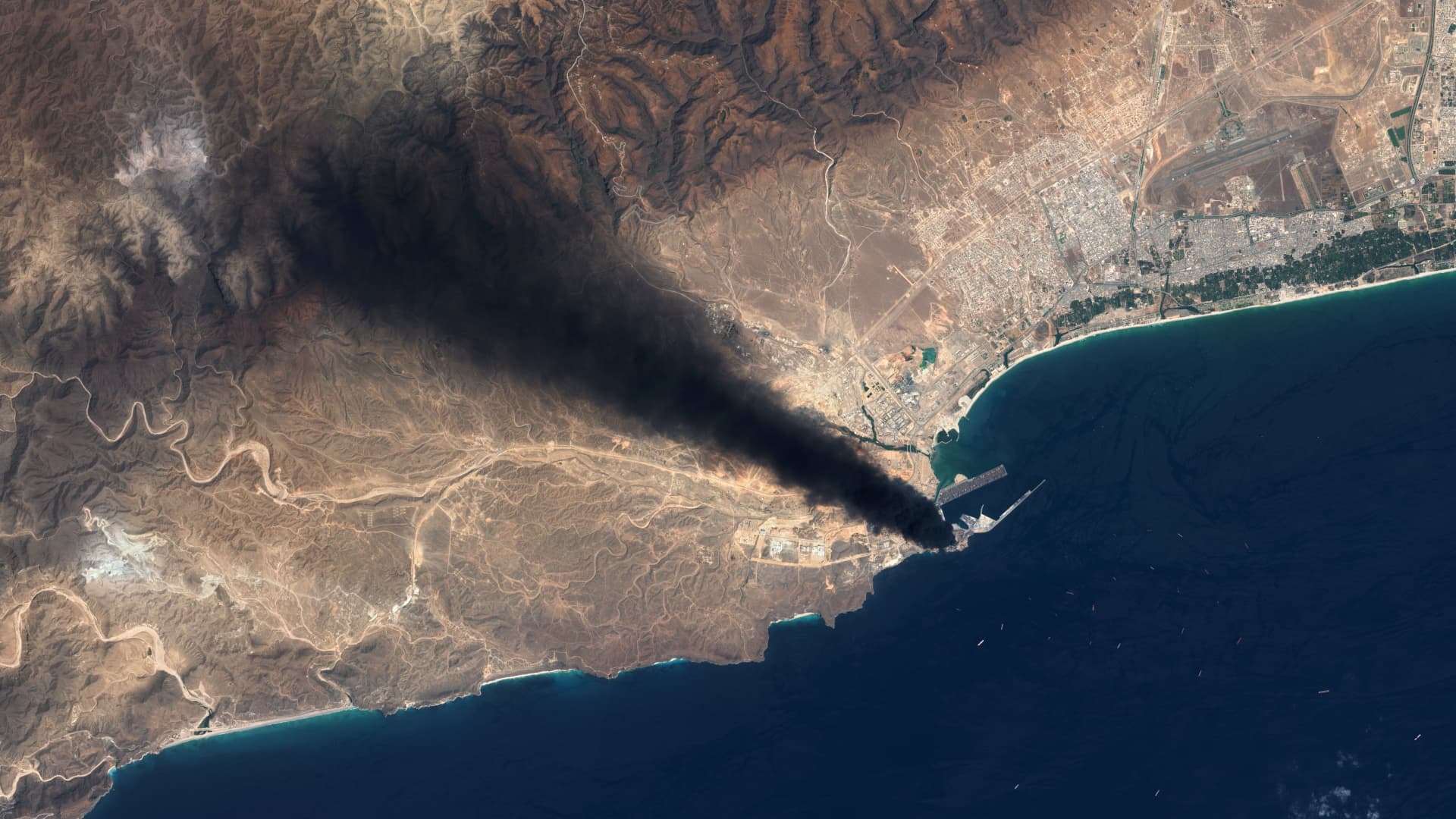
Brent crude rose to $104.51 after Trump called Iran's counterproposal 'garbage.' Trump-Xi talks this week could determine if supply risks escalate further.
Continue with
Oil prices pushed higher Tuesday after President Donald Trump described the U.S.-Iran ceasefire as "on massive life support" and dismissed Tehran's counterproposal as "garbage." The remarks effectively killed any near-term hope for a diplomatic resolution, sending Brent crude for July delivery up 0.30% to $104.51 a barrel. West Texas Intermediate for June rose 0.31% to $98.40. For a full breakdown of the crude complex, see AlphaScala's crude oil profile.
The simple read is that oil rallied on tough talk. The better read is that the market is repricing the probability of a prolonged supply disruption. Since the U.S. and Israeli-led military campaign against Iran began on February 28, both Brent and WTI have surged more than 40%. Tuesday's move, while modest in percentage terms, extends a trend that has been driven by the persistent threat to Strait of Hormuz transit and Iranian production. When the president frames the ceasefire as having a "1% chance of living," the base case shifts from eventual de-escalation to an open-ended conflict that keeps a material volume of crude off the market.
Strait of Hormuz Risk and the 40% Run
The 40% rally since late February is not just a geopolitical premium; it reflects the physical reality that Iranian barrels are largely inaccessible and that any escalation could choke the world's most critical oil chokepoint. The Strait of Hormuz handles about 20% of global petroleum trade. Even a partial disruption would send prices sharply higher. Trump's comments signal that Washington is not backing down, which means the risk of a wider confrontation, potentially involving proxy forces or direct attacks on infrastructure, remains elevated.
Citi captured the dynamic in a note: "Oil prices have been volatile and can rise further if US-Iran dealmaking remains thorny." That thorniness is now the central assumption. The market had briefly entertained the possibility that a counterproposal might open a path to talks. Trump's "garbage" label slams that door. For traders, the immediate question is whether the next move is a breakout above the recent highs or a consolidation that tests the conviction of late longs.