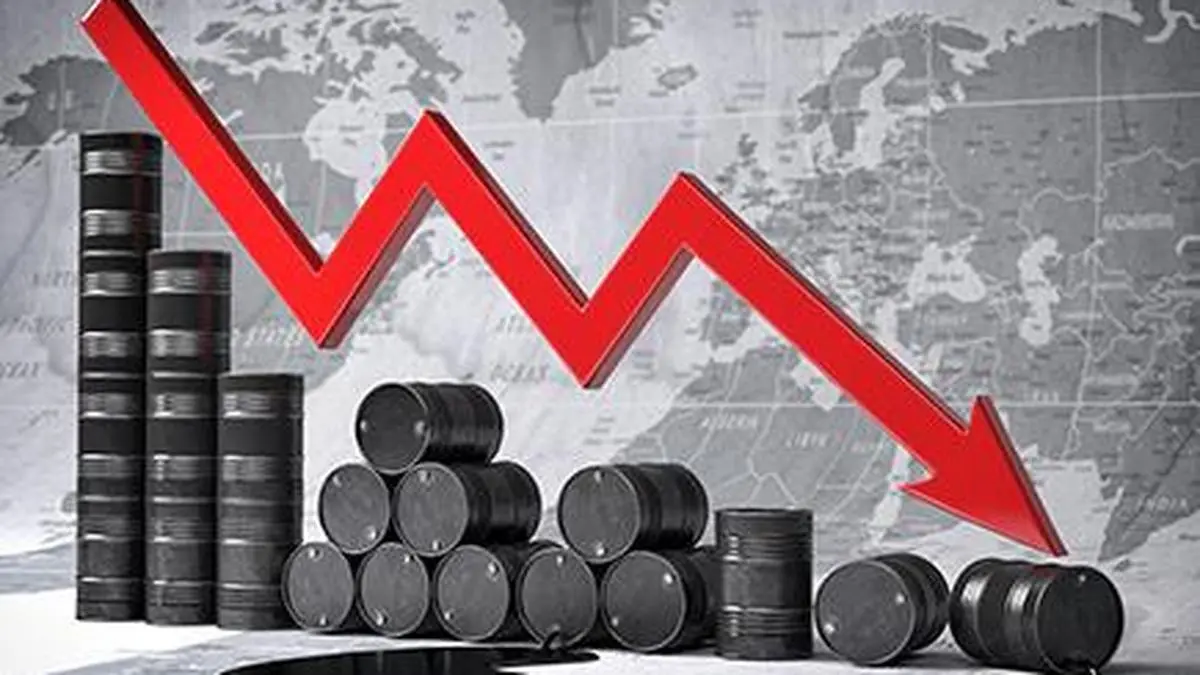
Crude oil futures fell more than 5% Monday morning after U.S. President Donald Trump called off a planned strike on Iran to pursue a deal, removing the primary geopolitical risk premium from the market. The decline accelerated on an OPEC+ decision to raise output in September.
October Brent crude on the Intercontinental Exchange settled at $83.49 a barrel, down 5.05%. September WTI crude on NYMEX traded at $79.70, a 5.85% drop. On India's Multi Commodity Exchange, August crude futures opened at ₹7,620 against the previous close of ₹8,113, down 6.08%. September contracts fell 4.91% to ₹7,454.
On Truth Social over the weekend, Trump said Iran and other Middle Eastern countries asked him to hold off on an attack because "the perimeters of a deal" had been agreed to. The agreement would include the "Immediate, Complete, and Total OPENING OF THE HORMUZ STRAIT" and an end to Iran's nuclear threat. Trump said Israel had joined the commitment. The Strait of Hormuz carries roughly a fifth of the world's oil consumption, and the risk of disruption had been the primary factor keeping prices elevated.
The prospect of eased tensions in the strait was the main bearish trigger. Traders had been pricing in the possibility of a direct U.S.-Iran conflict, which threatened to cut off tanker traffic through the bottleneck. That premium disappeared over the weekend.
Selling pressure intensified after OPEC and its allies said seven participating countries would raise production by 188,000 barrels a day from September. The group, in a press statement, described the increase as a measure to accelerate compensation for overproduction since January 2024. The seven countries confirmed their intention to fully compensate for any barrels produced above their quotas. The adjustment is part of the additional voluntary cuts announced in April 2023.
The supply increase adds to demand concerns that had already been weighing on prices. The combination of a lower geopolitical risk premium and higher future production has shifted the near-term balance, traders said.
For the broader supply picture, a recent crude draw tightened supply ahead of the OPEC+ decision. The production hike had been widely expected after earlier signals from the group, but its timing alongside the Iran announcement amplified Monday's move.
The next test for prices is the pace of diplomacy with Iran and whether the OPEC+ output increase actually reaches the market in September. Both factors will determine how far the current decline extends.