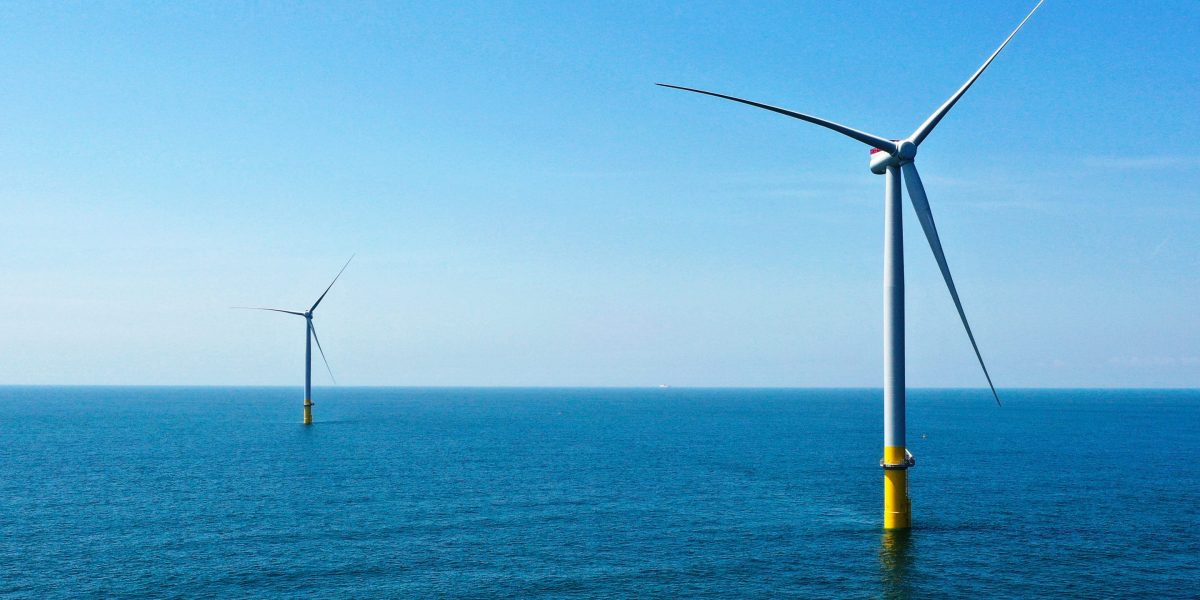
Federal court rulings have cleared a path for five major offshore wind projects along the East Coast to continue construction, effectively stalling attempts to terminate the developments. These projects, which represent significant infrastructure investments in coastal Virginia and surrounding regions, had faced existential threats from executive-level opposition. The judicial intervention provides a temporary reprieve for developers, though the underlying tension between federal policy shifts and long-term energy commitments remains a persistent variable for the sector.
Infrastructure Continuity and Regulatory Friction
The survival of these offshore wind projects hinges on the distinction between executive intent and established contractual or regulatory frameworks. While political rhetoric has centered on the aesthetic and environmental objections to wind energy, the legal reality involves complex permitting processes and multi-year capital deployment cycles. The court rulings underscore that existing federal approvals cannot be summarily revoked without meeting rigorous legal thresholds. This creates a bifurcated environment where project operators must balance operational progress against the risk of future regulatory pivots.
For the energy sector, the stability of these projects is critical for regional grid planning and state-level renewable energy mandates. The reliance on offshore wind as a primary component of the coastal energy mix means that any disruption to the construction timeline introduces significant cost overruns and potential supply chain bottlenecks. The current legal victory suggests that the institutional momentum behind these projects is currently stronger than the political pressure to dismantle them.
Sector Read-through and Capital Allocation
Investors are now forced to evaluate the durability of renewable energy assets in an era of heightened policy volatility. The capital intensity of offshore wind requires long-term visibility, which is currently compromised by the threat of future executive action. Companies involved in these projects must now navigate a landscape where project viability is tied as much to the courtroom as it is to engineering milestones or power purchase agreements.
- Judicial review has prioritized existing permit validity over executive policy changes.
- Coastal infrastructure projects remain central to state-level energy transition goals.
- Long-term capital allocation remains sensitive to the potential for future administrative reversals.
As the sector moves forward, the primary concern is whether these court rulings establish a durable precedent or merely delay a broader policy shift. The legal protections currently shielding these projects may not be sufficient if future legislation or regulatory rule-making provides a more robust mechanism for cancellation. Market participants should monitor upcoming federal filings related to environmental impact assessments and lease renewals, as these will serve as the next indicators of whether the current legal protections will hold against sustained political pressure. For broader context on how capital-intensive firms manage shifting regulatory environments, see our recent analysis on AT&T Navigates Capital Intensity Amid Evolving Infrastructure Demands.
AlphaScala data currently tracks various sectors with distinct risk profiles. For instance, T holds an Alpha Score of 57/100, while NOW and ON carry scores of 51/100 and 45/100 respectively. These metrics reflect the ongoing volatility within technology and communication services, sectors that often share the same capital-market pressures as large-scale energy infrastructure. The next concrete marker for the wind sector will be the outcome of any appeals filed by the executive branch or the initiation of new rule-making procedures that attempt to circumvent current judicial constraints.