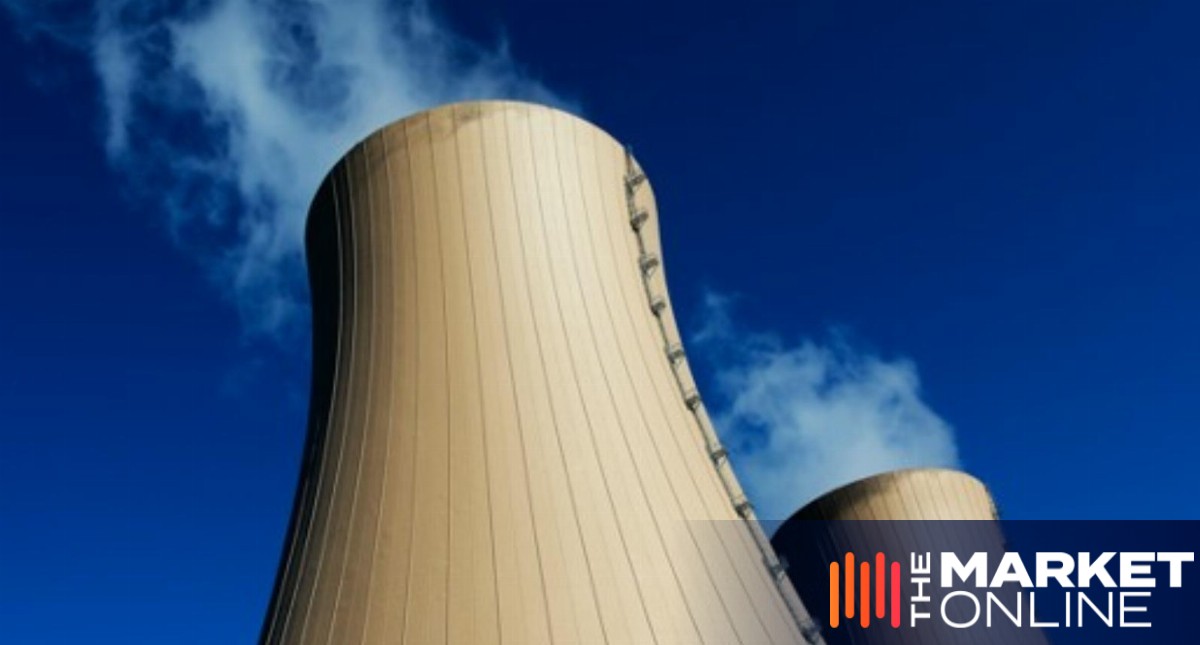
Southeast Asia is pivoting toward nuclear energy development as persistent volatility in global oil markets creates acute energy security concerns for the region. The shift follows a period of recurring energy shortages that have exposed the vulnerability of economies heavily reliant on imported fossil fuels. As crude oil markets face ongoing supply-side pressures, regional governments are accelerating long-term infrastructure plans to diversify their power generation portfolios.
Structural Shifts in Regional Energy Demand
The move toward nuclear power reflects a broader regional strategy to decouple economic growth from the fluctuations of global oil prices. Southeast Asian nations have historically utilized oil and gas to meet rapid industrialization demands. However, the current instability in global energy corridors has forced a reassessment of these dependencies. Policymakers are now prioritizing nuclear energy as a stable, baseload power source capable of insulating domestic grids from the price shocks currently seen in the crude oil profile.
This transition is not merely a reaction to short-term pricing but a fundamental change in energy policy. The integration of nuclear power requires significant capital expenditure and long-term regulatory frameworks. Several nations in the region are currently navigating the complexities of site selection, safety compliance, and international technical partnerships to facilitate this transition. The urgency of these efforts is tied directly to the need for consistent electricity supply to support manufacturing sectors that have suffered during recent energy crunches.
Infrastructure and Supply Chain Realignment
The development of nuclear capacity involves a multi-year timeline that necessitates a shift in how regional markets approach energy procurement. While oil remains a critical component of the current energy mix, the focus is shifting toward the procurement of uranium and the development of specialized nuclear infrastructure. This realignment affects regional logistics and trade agreements as nations seek to secure the necessary technology and fuel supplies from global partners.
- Expansion of legislative frameworks to accommodate nuclear safety standards.
- Increased investment in grid modernization to handle high-density baseload power.
- Formation of regional technical alliances to share expertise in reactor maintenance and waste management.
These developments are occurring against a backdrop of broader commodities analysis that suggests a tightening of traditional energy markets. As Southeast Asia moves forward, the reliance on oil for power generation is expected to diminish, though the transition period will likely be marked by continued sensitivity to global oil supply disruptions. The success of these nuclear initiatives will depend on the ability of regional governments to manage the high upfront costs and the technical requirements of operating large-scale nuclear facilities.
AlphaScala data currently tracks various sectors impacted by these shifts. For instance, AS stock page shows a mixed Alpha Score of 47/100, while A stock page holds a moderate score of 55/100. These metrics reflect the broader market sentiment regarding companies involved in the consumer and industrial cycles that are sensitive to energy costs.
The next concrete marker for this transition will be the formalization of bilateral agreements for reactor technology transfers and the release of updated national energy master plans. These documents will provide the specific timelines and capacity targets that will determine the pace of nuclear integration in the region. Investors and market observers should monitor upcoming inter-governmental energy summits for details on financing structures and regional cooperation agreements.