Stocks● Neutral
NSW Zero-Interest Loans Boost Solar Demand for AGL, Origin
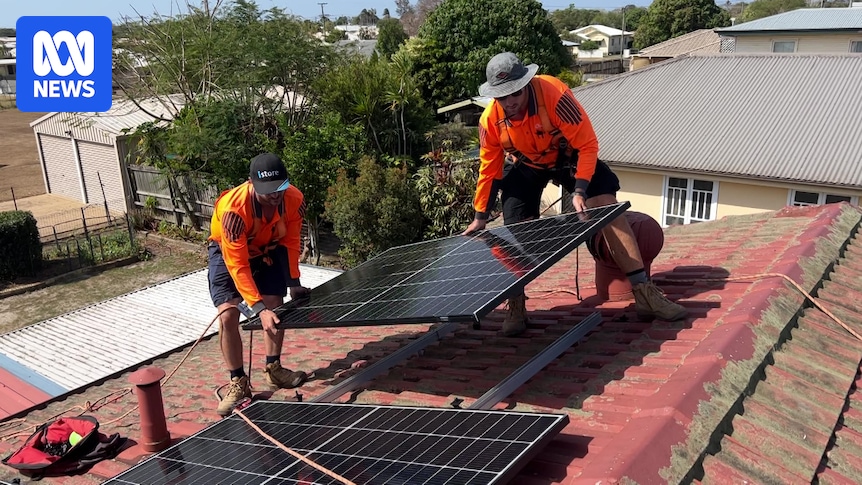
NSW's $480M zero-interest loan scheme for solar and batteries shortens payback to four years, boosting demand for AGL and Origin.
Continue with
New South Wales opened applications Tuesday for zero-interest loans and cash subsidies covering rooftop solar, home batteries, and energy-efficient appliances, a program that Premier Chris Minns said will help families cut power bills. The $480 million lending facility allows households earning $210,000 or less to borrow up to $15,000 at 0% for 10 years. An additional $77 million in grants provides up to $4,000 to low-income homeowners and concession card holders for the same upgrades.
The financial structure matters for the economics of adoption. A solar-plus-battery system typically costs $10,000 to $40,000, according to Smart Energy Council chief executive David McElrea. Without government help, the payback period runs about seven years from energy savings. With the NSW loan, that falls to four years, making the decision easier for families on a budget and accelerating the installation cycle for local suppliers.
Two ASX-listed utilities with direct exposure are AGL Energy and Origin Energy. AGL operates a large residential solar installation business under the AGL Solar brand, and Origin offers solar and battery systems through its Origin Solar & Battery division. Both stand to benefit from the incremental demand this scheme generates, especially on the battery side where average ticket prices are higher and margins wider.