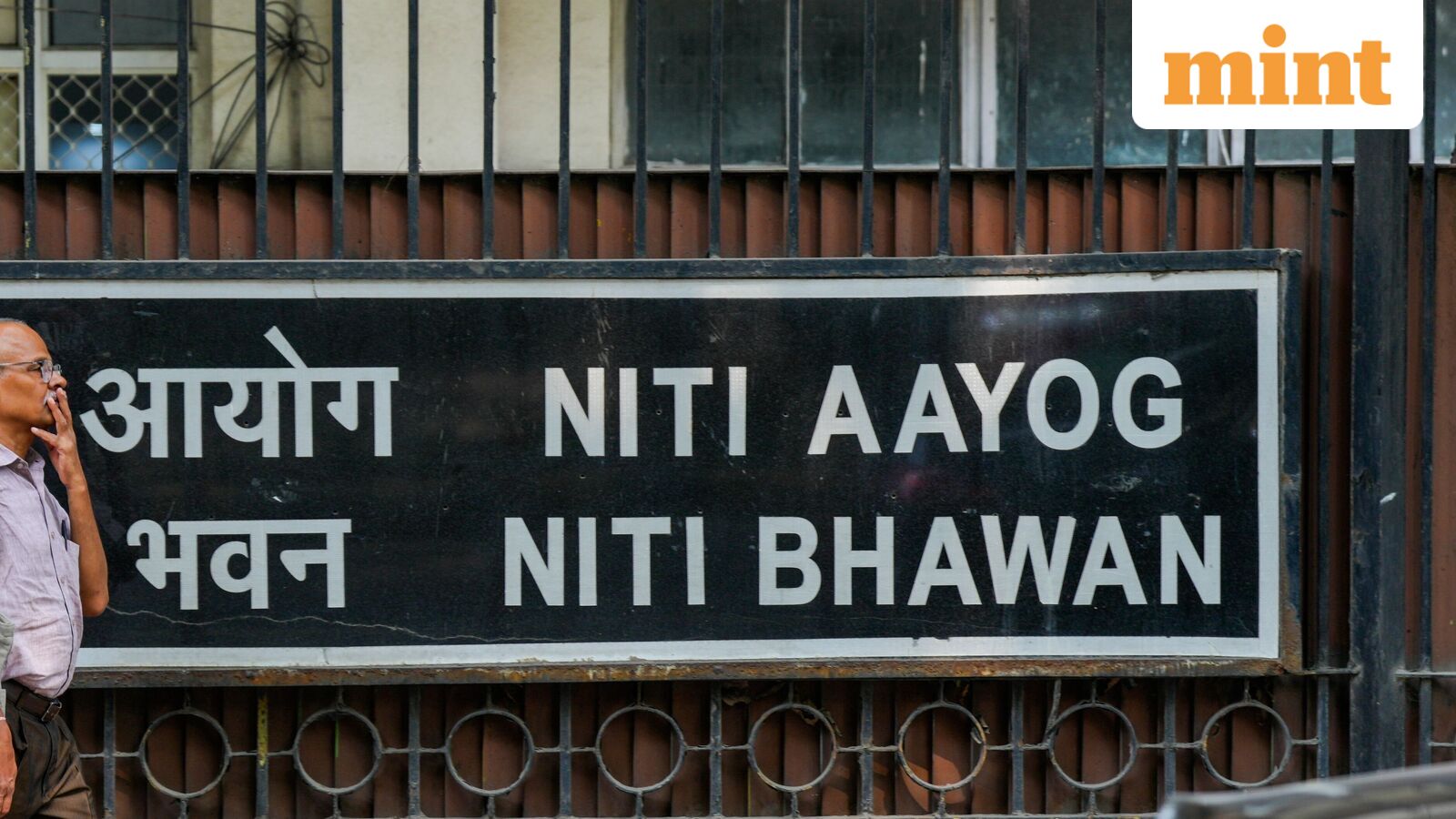
The appointment of Ashok Lahiri as vice-chairman of NITI Aayog marks a significant transition in India’s primary policy think tank. As an outgoing BJP MLA from West Bengal and a former Chief Economic Adviser, Lahiri brings a background rooted in fiscal policy and macroeconomic management to a role that serves as the bridge between central government objectives and state-level implementation. The timing of this appointment, occurring immediately preceding the second phase of the West Bengal elections, underscores the intersection of administrative personnel shifts and regional political cycles.
Strategic Realignment of Policy Oversight
NITI Aayog functions as the central architect for long-term development strategies and cooperative federalism. By selecting an individual with both legislative experience and a deep technical background in economic advisory, the administration is signaling a preference for policy continuity. The inclusion of Gobardhan Das as a member further rounds out the leadership team. This structural change is likely to influence how federal funds are allocated and how development benchmarks are set across various states. For investors monitoring the stock market analysis, these shifts often serve as leading indicators for shifts in infrastructure spending priorities and regulatory frameworks that impact large-cap industrial and consumer-facing entities.
Impact on Federal-State Economic Coordination
The transition at the top of NITI Aayog is particularly relevant for sectors that rely on consistent state-level execution of central mandates. When leadership changes occur in institutions that oversee national development agendas, the immediate effect is often a review of existing project pipelines. The appointment of a former Chief Economic Adviser suggests that the focus will remain on fiscal discipline and structural reforms. This approach often mirrors the broader institutional dynamics discussed in The Institutional Friction Between Executive Policy and Federal Reserve Autonomy, where the alignment between policy-making bodies and executive goals determines the pace of economic implementation.
AlphaScala data currently tracks various consumer and energy sector entities that are sensitive to these policy shifts. For instance, Amer Sports, Inc. (AS stock page) currently holds an Alpha Score of 47/100 with a Mixed label, while ENI SPA (E stock page) maintains a score of 65/100 with a Moderate label. These scores reflect how broader macroeconomic policy environments, influenced by bodies like NITI Aayog, eventually filter down into sector-specific performance metrics.
The Path to Policy Implementation
The next concrete marker for this transition will be the first set of policy directives issued under the new vice-chairman. These will likely clarify the administration's stance on pending infrastructure projects and state-specific economic packages. Observers should look for the upcoming NITI Aayog governing council meeting, which will serve as the first public venue for the new leadership to articulate their agenda. The degree to which this leadership team can maintain momentum on existing reform initiatives will determine the stability of the current economic policy trajectory through the remainder of the fiscal year.