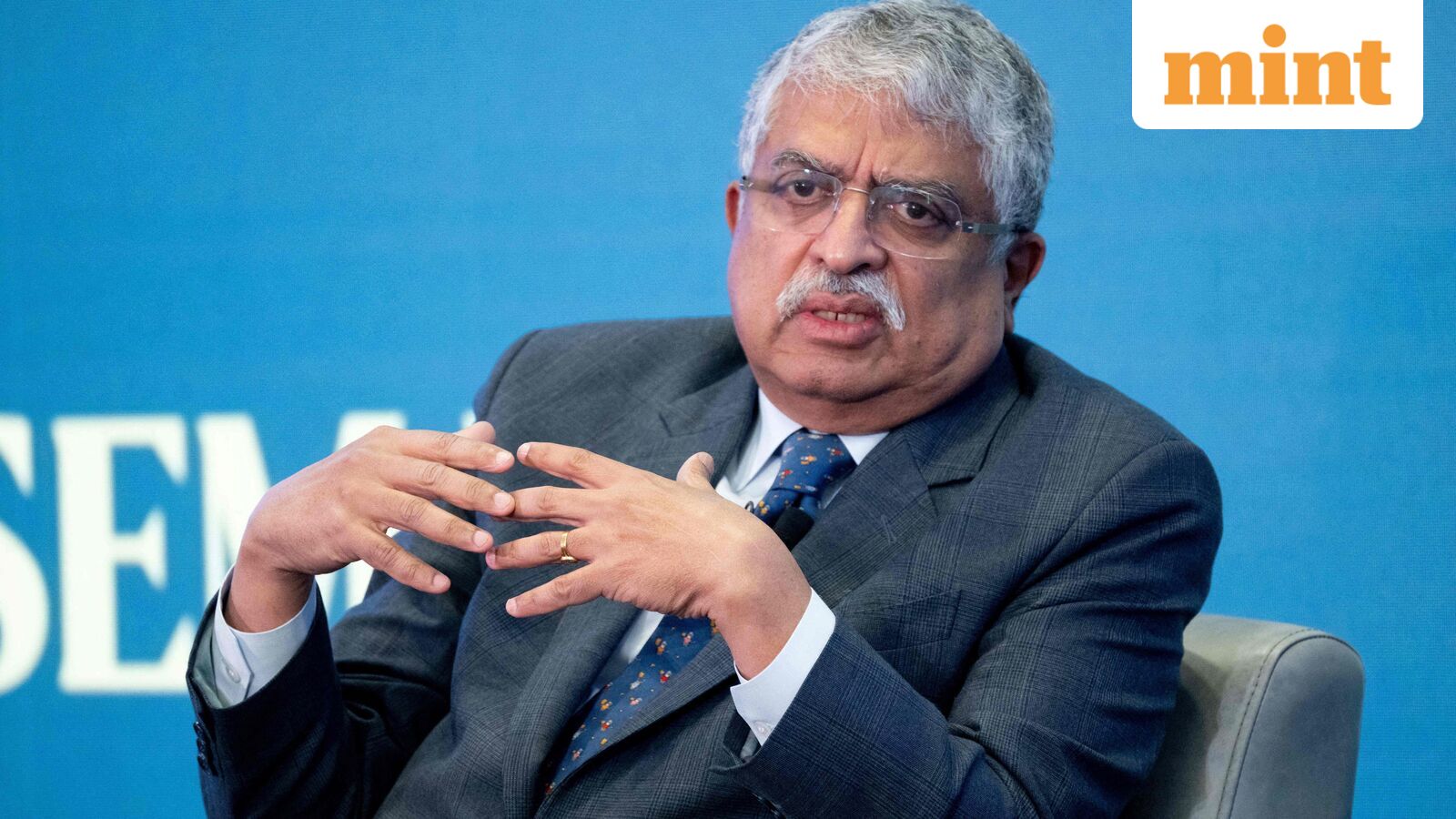
Prime Minister Narendra Modi tapped Infosys chairman Nandan Nilekani to lead a committee charged with overhauling India's centralized examination system. The move came after student protests over leaks and administrative failures at the National Testing Agency, which relied entirely on private contractors. The Mint editorial board called the appointment a signal that the government heard a key demand from students worried about their careers.
Nilekani and his team face the task of building a new system from scratch. The panel must make the architecture inclusive. Digital access is not universal in India, and that gap leaves room for fraud. The editorial board said the panel's combined wisdom will be needed to install an effective system.
Exam reform, however necessary, is only the surface. Two deeper issues demand attention, the editorial argued.
The first is the absence of an independent regulator for the education sector. Private engineering and medical colleges, universities, and coaching centres have proliferated with little oversight. The University Grants Commission holds some authority, but it does not cover most of the private landscape. An open secret in the sector is the nexus between politicians, bureaucrats, and coaching shops. The country needs a regulator with functional autonomy, the editorial said. What it must avoid is one that looks like a government puppet, which would deepen the trust gap between New Delhi and millions of students.
The second issue is broader. India's education system from primary school through higher education is in crisis. The fixation on making students job-ready has come at the expense of pedagogical quality. Critical thinking is weak. Students emerge without the ability to solve complex problems. As artificial intelligence reshapes the economy, that deficit becomes urgent.
The numbers tell part of the story. Not all graduates are employable. Not enough jobs exist for the degree-holders India produces every year. Engineers applying for peon positions is not an anomaly, the editorial said. It is a signal.
Structural reform needs to decentralize the system and create academic paths that compete on quality. Institutions must be affordable and widely trusted to be free of corrupt interests. The editorial board said the policy focus on quantity over quality has led to faulty infrastructure and a workforce unprepared for the AI era.
Infosys, whose chairman leads the panel, carries an AlphaScala Alpha Score of 57, reflecting moderate risk in the technology sector. The company's reputation could be tied to the success of the committee's recommendations.
The government has not set a timeline for the panel's report. The editorial board said the harder work lies beyond the exam machine. Without addressing the broader crisis, the panel's work may only scratch the surface.