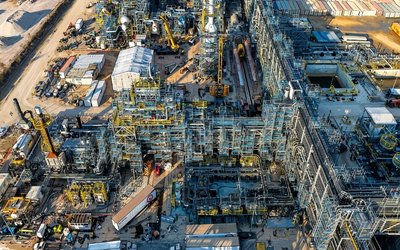
NH3 Clean Energy has secured a significant validation for its WAH2 clean ammonia project following an independent assessment by ACIL Allen. The report projects a benefit-cost ratio of 3.07, providing a quantitative foundation for the company as it seeks to finalize capital structures. The assessment estimates a total contribution of A$7.3 billion to the domestic gross domestic product, positioning the project as a central component of regional industrial expansion.
Capital Allocation and Project Timeline
The financing bid for WAH2 relies heavily on these projected public benefits to attract institutional and government-backed capital. By demonstrating a high benefit-cost ratio, NH3 Clean Energy aims to de-risk the project for potential lenders who are currently navigating a complex environment for large-scale energy infrastructure. The company has set a target for a final investment decision by the end of 2026. This timeline aligns with broader shifts in energy policy where capital expenditure is increasingly directed toward projects that demonstrate clear domestic economic multipliers.
Transmission to Industrial Energy Markets
The transition toward clean ammonia production represents a shift in how industrial energy inputs are sourced and priced. As projects like WAH2 move toward the final investment decision stage, the focus shifts to the long-term viability of supply chains and the cost of capital for green energy initiatives. The reliance on independent economic assessments reflects a broader trend in Geopolitical Friction and the Looming Supply Chain Vulnerability, where energy security and domestic production capacity are prioritized over traditional market-driven project finance models.
AlphaScala data currently tracks various consumer and industrial entities that may be impacted by these shifts in infrastructure spending. For instance, AS stock page carries an Alpha Score of 47/100, reflecting the mixed sentiment currently surrounding consumer cyclical sectors, while HAS stock page remains unscored as market participants evaluate the broader impact of industrial policy on retail and manufacturing costs.
The next concrete marker for this project is the progression of formal financing agreements and the subsequent update to the project's engineering and procurement schedule. Investors and stakeholders will monitor the 2026 deadline as a proxy for the feasibility of large-scale ammonia production in the current interest rate environment. The ability of NH3 Clean Energy to convert these economic forecasts into binding capital commitments will determine whether the WAH2 project remains on track or faces delays common to capital-intensive energy transitions.