New Zealand chose targeted rules over a ban for its 200 crypto ATMs. Scam losses run into tens of thousands of dollars. Australia caps cash deposits at A$5,000 as a model.
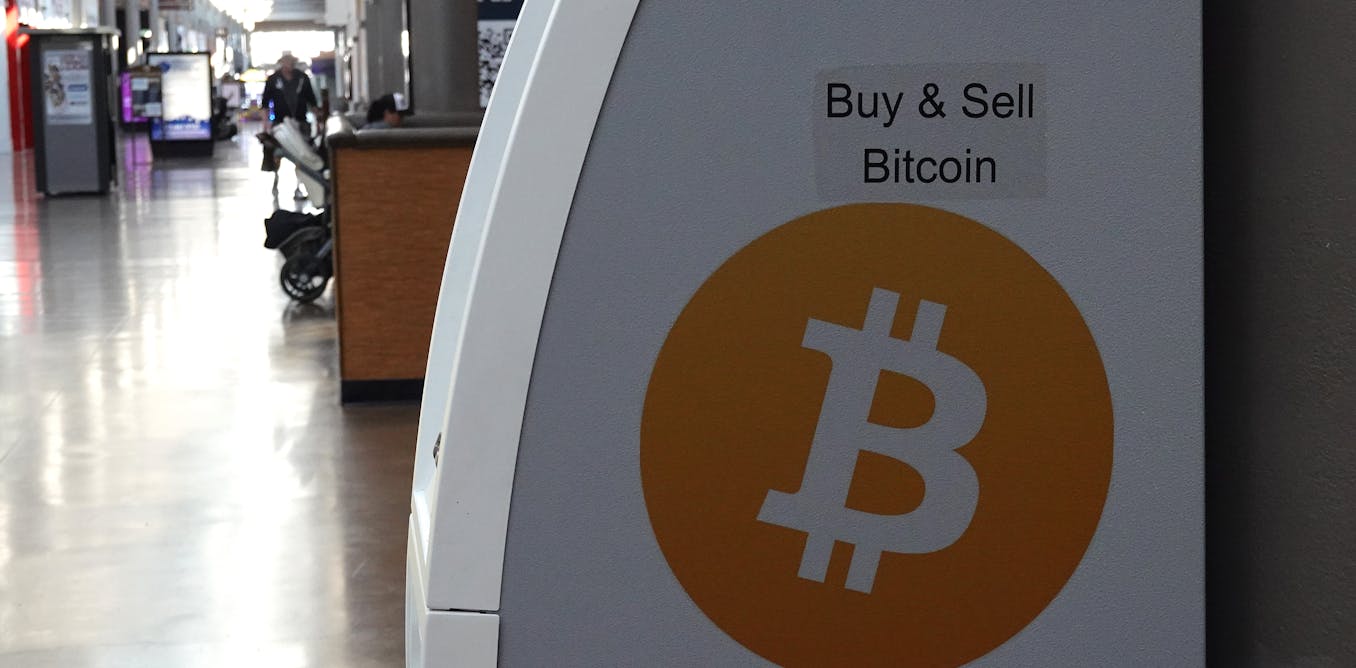
New Zealand has roughly 200 cryptocurrency ATMs, scattered through dairies, petrol stations and vape shops from Auckland to Invercargill. The machines look like ordinary cash machines but let users feed in notes, scan a QR code and send Bitcoin or other digital assets to a wallet in minutes.
The government considered banning them outright. It chose instead to write targeted rules aimed at the scam and money-laundering risks, arguing the machines can stay if properly guarded.
Crypto ATMs have been in New Zealand for more than a decade but stayed a novelty until 2023, when commercial operators began building permanent networks. Today the count is around 200 nationwide. Most are "one-way" kiosks that only take cash in; two-way machines that dispense physical cash for crypto are rare.
Operators already require identity verification before a transaction. Once verified, a purchase takes a few minutes. The machines are expensive compared with online exchanges. Online platforms charge under 2% in fees. The ATMs hit users with transaction fees of 6-19%, flat fees of NZ$1-5, exchange-rate markups of 5-10% and network fees. A buyer ends up with significantly less crypto than the cash they put in.
The fraud risk is the government's main concern. Most crypto ATM scams involve someone posing as the Police, Inland Revenue, a bank or tech support to persuade a victim to deposit cash into a machine. Crypto transactions are irreversible, unlike credit card payments.
International numbers illustrate the scale. In 2025 the US Federal Bureau of Investigation received more than 13,400 complaints involving crypto kiosks, with reported losses exceeding US$388 million. Australia went from 23 crypto ATMs in 2019 to more than 2,000 today. Its financial intelligence agency said heavy users are often linked to scam proceeds or money-mule activity.
In New Zealand, the Banking Ombudsman has confirmed tens of thousands of dollars lost through crypto ATM scams. The Police Financial Intelligence Unit called the machines an emerging regulatory challenge needing urgent attention.
Supporters argue the machines provide access for the estimated 51,000 New Zealand adults who did not have a bank account in 2021. Barriers to banking fall hardest on victims of family violence, homeless people, former prisoners, people with disabilities and older people. The machines also offer a route into new digital payment systems such as stablecoins. The Financial Markets Authority recently recognised NZDD as a payment tool.
Details of the new rules are still emerging. The government is giving itself new powers to regulate cash transactions involving virtual assets. Those could include transaction limits and, if harm continues, restrictions or a future ban on cash purchases of high-risk virtual assets. Officials have been asked to consult the industry on what safeguards should look like.
One option is tiered limits. Australia caps cash deposits at A$5,000. Some New Zealand operators already permit transactions up to NZ$9,500. Small purchases could stay largely unconstrained while larger ones trigger extra checks. Nebraska goes a step further: new customers start with low daily limits and only get higher ones after a history of legitimate use. Because scam victims are often first-time users, that protects vulnerable customers without restricting regular ones.
Other options being discussed include a mandatory cooling-off period of 24 to 72 hours before an initial transaction, or a confirmation call from the operator, to break the urgency scammers rely on. Clear scam warnings in plain English and other languages on every transaction. Operators required to refund properly reported fraudulent transactions and report suspicious activity to police in real time.
Until the rules land, the simplest safeguard for anyone approached is this: treat any request to deposit cash into a crypto ATM on behalf of someone else as a potential scam.
Drafted by a large language model from the source reporting linked above, then screened by automated publishing checks. It is not read by a journalist before publication. Some articles cite our Alpha Score. Verify prices and figures against the original source. Educational coverage, not personalized advice.