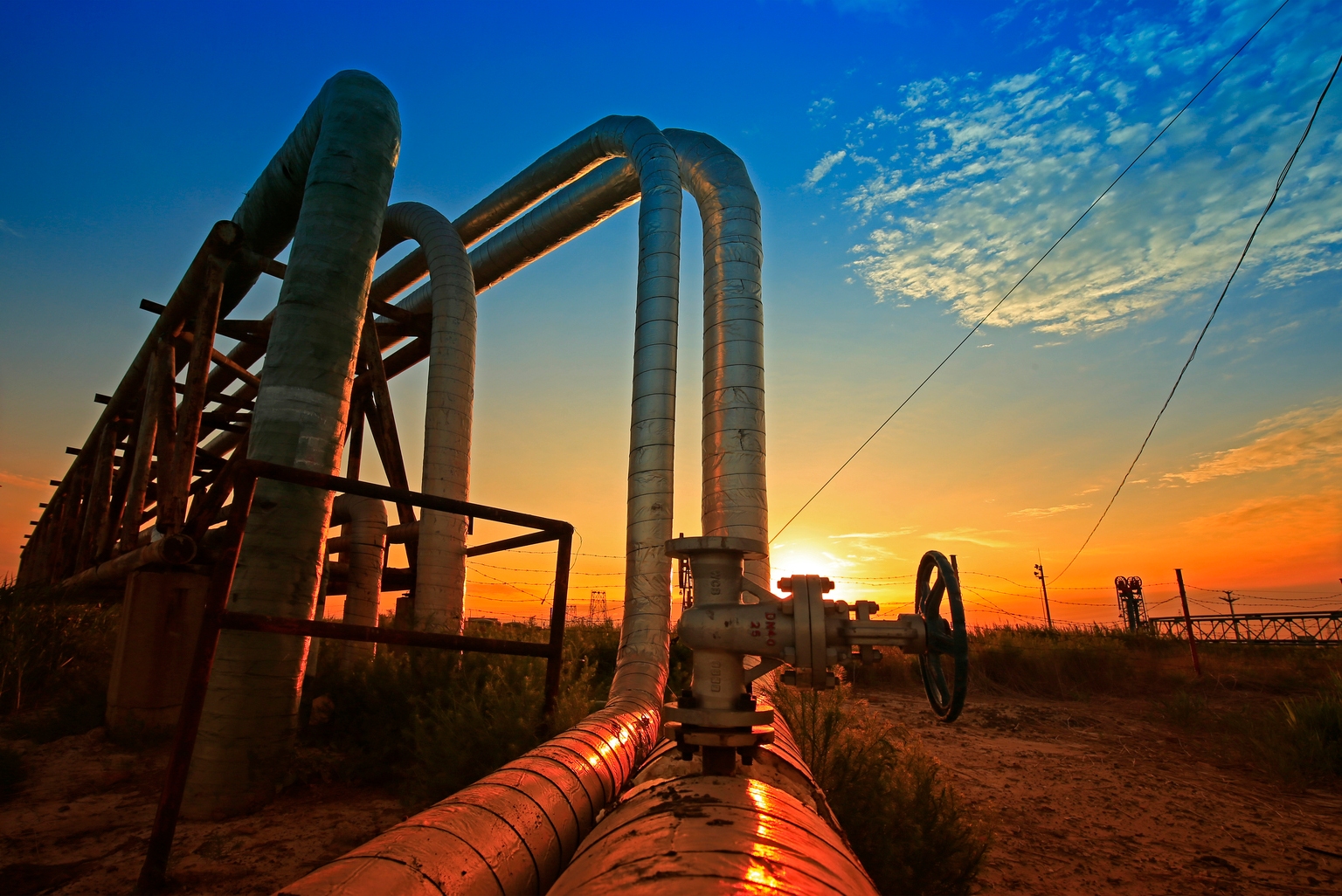
Kinder Morgan reported an 18 percent increase in EBITDA for the first quarter of 2026, a move underpinned by sustained demand for natural gas transmission and storage services. The company is currently leveraging a 10 billion dollar expansion backlog to capitalize on the shifting requirements of the North American energy grid. This growth trajectory reflects the broader trend of midstream operators prioritizing capital-intensive projects to support long-term fuel delivery contracts.
Infrastructure Expansion and Gas Throughput
The current expansion strategy focuses on increasing capacity across key natural gas corridors. As domestic production levels remain high, the necessity for reliable transport to export terminals and power generation facilities has intensified. Kinder Morgan is positioning its asset base to capture these flows, ensuring that its network remains central to regional energy distribution. The scale of the current backlog suggests that the company is betting on a multi-year cycle of elevated gas utilization, particularly as industrial and utility demand continues to climb.
Midstream firms often face the challenge of balancing capital expenditure with dividend commitments. By focusing on projects with secured long-term demand, the company aims to maintain cash flow stability even as it funds its current development pipeline. This approach is consistent with the broader commodities analysis regarding the necessity of infrastructure investment to bridge the gap between production sites and end-market consumers.
Midstream Sector Performance Metrics
AlphaScala data currently tracks several major midstream operators, reflecting the sector's moderate stability in the current interest rate environment. The following scores provide a snapshot of current sentiment for key industry participants:
These scores indicate that while the sector is benefiting from operational growth, market participants remain cautious regarding the impact of debt servicing costs on future capital allocation. The ability of these firms to convert EBITDA growth into free cash flow will be the primary determinant of their long-term valuation. Investors are monitoring how these companies manage their balance sheets while simultaneously executing on large-scale infrastructure projects that require significant upfront investment.
Operational Risks and Market Linkages
Transport risk remains a critical variable for midstream operators. Disruptions in pipeline connectivity or regulatory hurdles for new projects can quickly alter the profitability of expansion efforts. The reliance on natural gas as a transition fuel means that any shift in environmental policy or energy mix could impact long-term utilization rates. As the company moves forward with its current backlog, the next concrete marker for the market will be the progress reports on these specific infrastructure projects. Updates regarding project completion timelines and initial throughput volumes will be essential for validating the current growth thesis. These developments will likely influence how the market prices the company's ability to sustain its dividend and capital return programs through the end of the decade.