Back to Markets
Macro● Neutral

Natural Capital: The Ecological and Economic Significance of Pulicat Lake’s Annual Flamingo Migration

April 12, 2026 at 12:07 PMBy AlphaScalaSource: economictimes.indiatimes.com
Natural Capital: The Ecological and Economic Significance of Pulicat Lake’s Annual Flamingo Migration

Each April, Pulicat Lake near Chennai hosts a massive migration of flamingos, driving local tourism and highlighting the ecological importance of India's second-largest brackish lagoon.

The Seasonal Transformation of India’s Second-Largest Lagoon

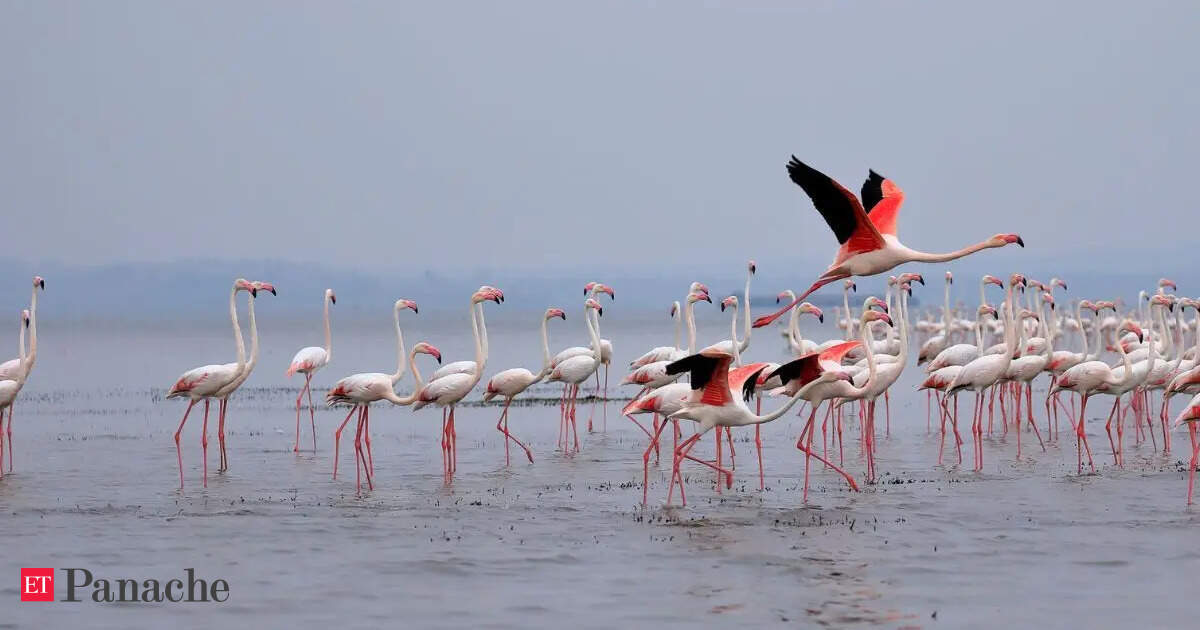
Located approximately 60 kilometers north of Chennai, Pulicat Lake serves as a critical ecological barometer for the Coromandel Coast. As the summer heat intensifies in April, the brackish water lagoon undergoes a dramatic visual transformation, turning a vibrant shade of pink as thousands of migratory flamingos descend upon the wetlands. This annual phenomenon is not merely a tourist attraction; it represents a significant biodiversity event that underscores the delicate balance of the region's coastal ecosystem.

For the local economy, the flamingo migration acts as a seasonal catalyst. The influx of bird-watchers and nature enthusiasts coincides with the annual Flamingo Festival, a regional event designed to capitalize on the avian migration. Beyond the bird-watching opportunities, the area offers a unique intersection of natural beauty and historical significance, with visitors frequently exploring the ruins of Dutch-era fortifications and colonial-period architecture that dot the shoreline.

Ecological Context and Biodiversity

Pulicat Lake is the second-largest brackish water lagoon in India, surpassed in scale only by Chilika Lake. Its status as a protected ecosystem is vital for the survival of numerous avian species that utilize the lagoon as a migratory stopover. The shallow, nutrient-rich waters provide an ideal feeding ground for flamingos, whose distinctive coloration is derived from the beta-carotene found in the plankton and algae they consume in this specific brackish environment.

For researchers and environmentalists, the timing of this migration—peaking in April—serves as a data point for assessing regional climate shifts. The lagoon’s ability to support such a high volume of migratory life is contingent upon the preservation of its water quality and the maintenance of the tidal inlets that connect the lake to the Bay of Bengal.

Market Implications and Regional Tourism

While the migration is primarily an ecological event, it has direct implications for the regional tourism sector in Tamil Nadu. The festival and the associated influx of visitors provide a boost to local hospitality, transport, and eco-tourism service providers. For investors and analysts tracking regional economic performance, the sustainability of such natural events is increasingly relevant as the state government seeks to balance industrial expansion in the Chennai corridor with the preservation of critical environmental assets.

Furthermore, the integration of water-based recreational activities alongside the bird-watching circuit has turned Pulicat into a multi-faceted destination. This diversification of the local tourism product is a key factor in the economic viability of the region, ensuring that the benefits of the flamingo migration extend beyond simple environmental appreciation to encompass tangible economic output.

Outlook: Monitoring the Coromandel Coast

As climate change continues to alter migratory patterns globally, the consistency of the flamingo migration at Pulicat Lake will remain a key indicator to watch. Future developments in coastal infrastructure and environmental management policies in Tamil Nadu will determine whether this natural spectacle—and the economic activity surrounding it—remains a staple of the regional calendar. For those monitoring the intersection of environmental health and regional development, Pulicat Lake offers a compelling case study in the value of natural capital.