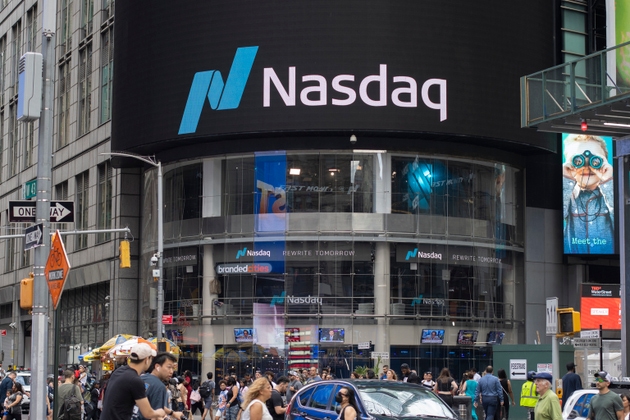
The Nasdaq Composite Index reached a new all-time high of 24,468.48 points on Friday following the announcement that Iran has reopened the Strait of Hormuz for commercial transit. This development serves as a significant de-escalation signal for global energy markets, removing a primary source of supply-chain uncertainty that had previously pressured technology valuations and broader risk appetite.
Geopolitical Stability and Tech Sector Resilience
The Strait of Hormuz functions as a critical artery for global oil shipments. When transit through this region is threatened, the resulting volatility in energy prices often ripples through the technology sector, inflating input costs and dampening investor sentiment toward growth-oriented assets. By securing the passage, the market narrative has shifted from defensive positioning to a renewed focus on capital expenditure cycles and software demand.
Technology stocks, which carry heavy weight within the Nasdaq, are particularly sensitive to energy-driven inflation. Lower energy costs improve the operating margins of data centers and hardware manufacturers that rely on consistent power and logistics chains. As the index hits this record level, the focus turns to whether the stability in the Strait will sustain the current momentum in stock market analysis and provide a floor for high-multiple growth stocks.
Market Context and Structural Shifts
The reopening of the Strait provides a reprieve for global logistics, which had been bracing for potential disruptions to semiconductor supply chains and component transport. The tech sector has spent the last several quarters managing inventory levels and optimizing production schedules. With the primary maritime risk mitigated, the focus for institutional capital shifts back to core fundamentals, such as cloud infrastructure spending and the integration of artificial intelligence across enterprise platforms.
This move follows a period where Dow Approaches 50,000 Threshold as Earnings Momentum Broadens, suggesting that the broader market is currently benefiting from a confluence of stable geopolitical conditions and strong corporate earnings. The Nasdaq's ability to break into new territory indicates that investors are prioritizing growth potential over the risk of supply-side shocks.
AlphaScala Data
AlphaScala tracking shows that the technology sector's volatility index has compressed significantly since the announcement, reflecting a reduction in hedging activity among institutional portfolios. The correlation between energy futures and tech-sector performance has weakened, allowing the Nasdaq to decouple from the immediate price fluctuations of crude oil.
Next Markers for Sustained Growth
The next concrete marker for this market trend will be the upcoming release of global trade volume data for the current month. Investors will look for evidence that the reopening of the Strait has effectively normalized shipping costs and reduced transit times for critical hardware components. Any deviation from these expectations in the next set of logistics filings or supply-chain reports could challenge the sustainability of this record-high breakout. Additionally, the market will monitor upcoming central bank commentary to determine if the easing of geopolitical risk alters the trajectory of interest rate expectations in the coming quarter.