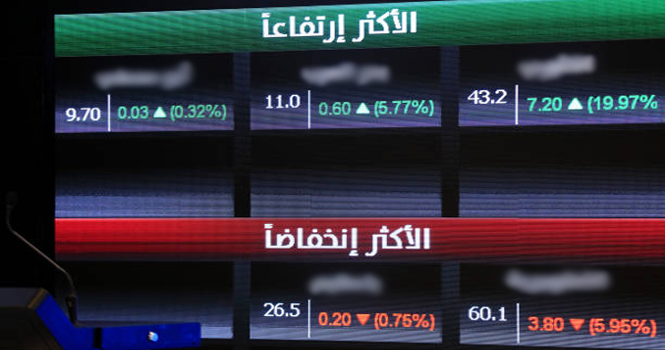
Nama Chemicals shares reached a 52-week low on April 26, marking a significant technical breakdown for the company. This decline reflects an ongoing shift in investor sentiment toward the chemical sector, where operational headwinds and pricing pressures have become increasingly visible. The move to a new annual low suggests that the market is currently pricing in a more challenging environment for the company's core product segments.
Structural Weakness in Chemical Pricing
The drop in Nama Chemicals highlights the broader difficulties facing industrial chemical producers as they navigate fluctuating input costs and softening demand cycles. When a stock breaks through its 52-week floor, it often indicates that previous support levels have failed to hold against persistent selling pressure. For Nama Chemicals, this price action serves as a signal that the market is discounting the company's ability to maintain historical margins in the near term.
Investors are now looking at how the company manages its cost structure in response to these lower valuation levels. The chemical industry is highly sensitive to global supply chain adjustments and regional manufacturing output. As the sector faces these hurdles, the focus shifts to whether the company can stabilize its cash flow or if further adjustments to its operational footprint are required to align with current market realities.
Valuation and Market Positioning
While the stock is currently under pressure, the broader market context remains complex. Investors often compare such movements against other sectors to determine if the sell-off is company-specific or indicative of a wider trend in industrial cyclicals. For those tracking stock market analysis, the performance of Nama Chemicals provides a case study in how quickly sentiment can shift when a company hits a technical inflection point.
AlphaScala data currently tracks various companies across sectors, including Lowe's Companies Inc. (LOW stock page), which holds an Alpha Score of 44/100 and a Mixed label. While Nama Chemicals operates in a different industry, the underlying theme of managing through cyclical volatility remains a common thread for firms currently facing downward price momentum. Other firms like Cooper Companies (COO stock page) and Hasbro (HAS stock page) continue to face their own unique sector-specific challenges, underscoring the importance of monitoring individual company disclosures.
The Path Toward Stabilization
The next concrete marker for Nama Chemicals will be its upcoming financial disclosures and any management commentary regarding production capacity or strategic pivots. Investors will monitor these filings for evidence of cost-cutting measures or shifts in product mix that could provide a floor for the stock price. Until there is a clear change in the fundamental narrative, the focus remains on whether the company can demonstrate resilience in its next quarterly report. The ability to maintain liquidity and operational efficiency will be the primary metrics for evaluating a potential recovery from these current lows.