Macro● Neutral
Musk's Trillionaire Status: Asteroid Mining and the Industrial Revolution
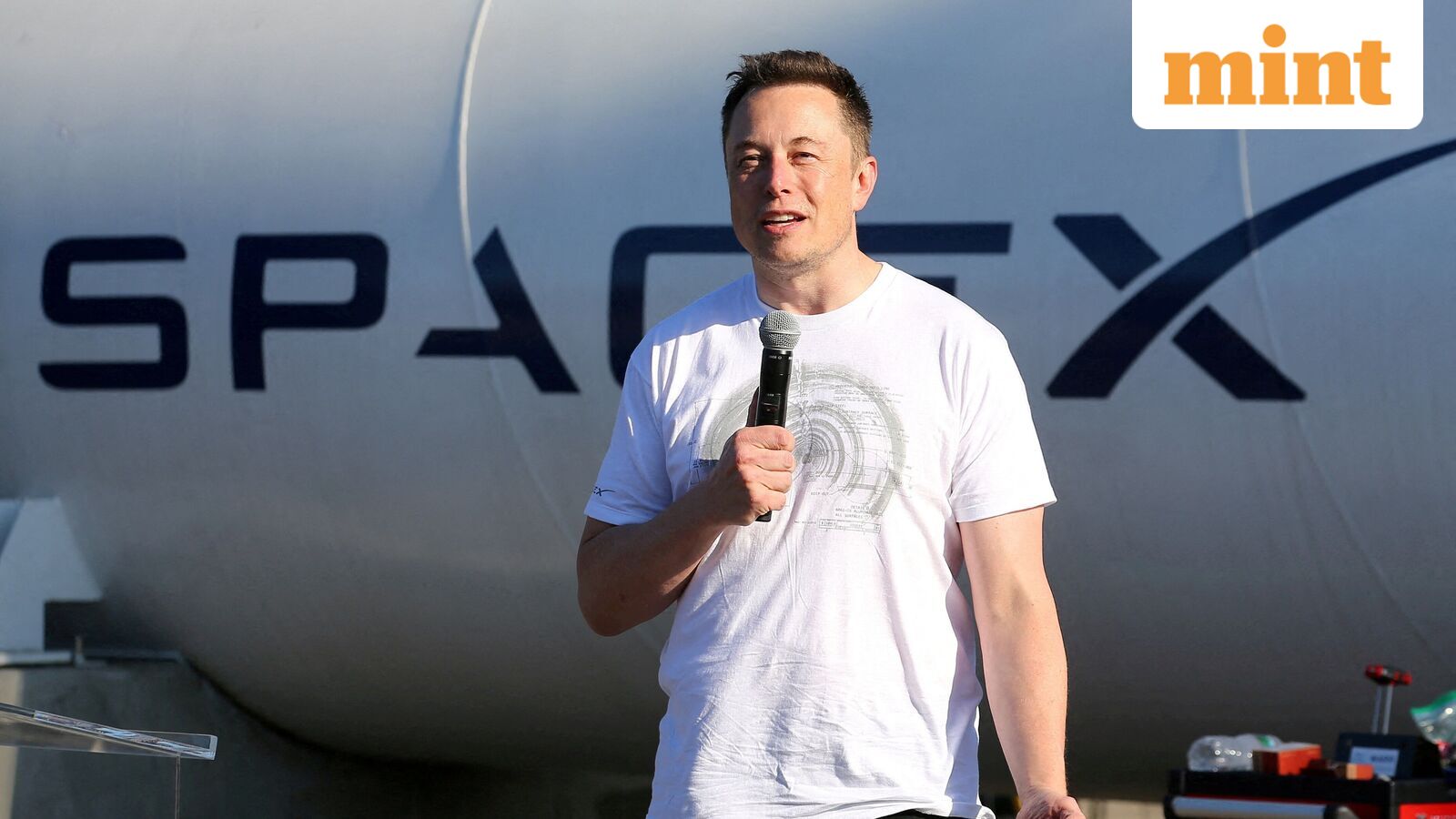
SpaceX's trillionaire valuation sparks debate, but Dhirendra Kumar focuses on the larger vision: asteroid mining and moving heavy industry off Earth.
Continue with
SpaceX listed this month at a price that made Elon Musk, on paper, the world's first trillionaire. Serious people argue the company is worth less than the market is paying. They are probably right, Dhirendra Kumar wrote in a column for Mint. That argument, he said, is the small game.
The large game starts with mining the asteroids.
Kumar, the founder and CEO of Value Research, recounted a conversation with a friend, a lifelong science fiction devotee and unabashed Musk admirer. Over an evening, the friend laid out where he believes this road eventually leads. Kumar said he has not been able to put it down since.
"Every mine for heavy metals on Earth, every source of gold and nickel and iron we have ever dug, is really the site of an ancient asteroid strike," the friend told him. The metals were never ours to begin with. They fell. Out in space, where they came from, the same materials exist in quantities that make the richest mine on Earth look like a rounding error.
From there, the logic builds one step at a time. Once you draw raw materials from the rocks up there, it makes little sense to haul them all the way down a gravity well to Earth. The next step is to manufacture in space, where, closer to the sun, energy is effectively free and endless. Since most of what we build exists only so that we can build other things with it, the conclusion becomes hard to resist: keep the entire industrial chain in orbit, and let only the finished articles come down.
The end of the story is the part that stayed with Kumar. If heavy industry can be carried on more cheaply off the planet than on it, then Earth need no longer be the place where we make things. It can go back to being the place where we grow things and where we live. The mines, the furnaces, and the smoke lifted clean off it. Only the finished goods descending quietly from above. That, the friend said, is the destination this whole enterprise is actually travelling towards.