A New Timeline for Electoral Reform
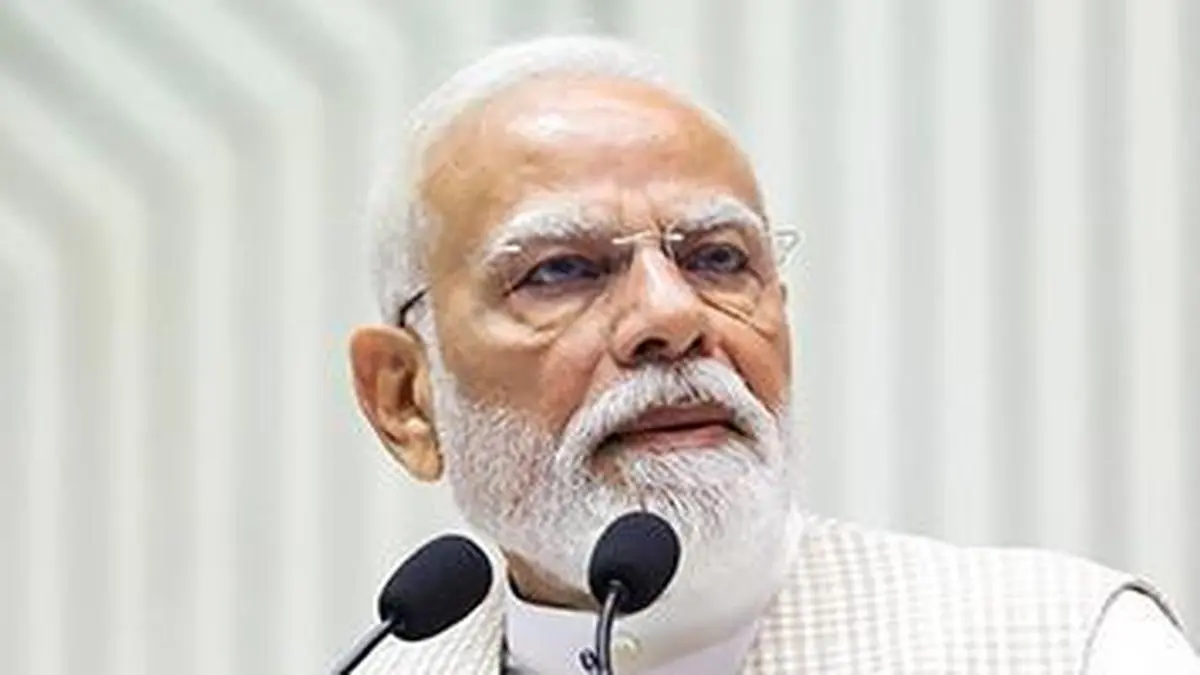
Prime Minister Narendra Modi stated on Tuesday that the Indian democratic process stands to gain renewed vitality by 2029. The government intends to have the women's reservation policy fully operational for the Lok Sabha and state assembly elections scheduled for that year.
This commitment marks a specific deadline for a policy change designed to alter the composition of India’s legislative bodies. By ensuring the quota is active for the next major election cycle, the administration aims to increase female representation across the country's political institutions.
The Strategic Outlook
Legislative adjustments often require long-term planning, and the 2029 target provides a clear horizon for political parties and election commissions. The move is expected to shift the focus of market analysis toward how social policy changes might influence long-term domestic stability and governance metrics. Investors typically monitor these shifts as they reflect the broader political climate in which local firms operate.
Key Pillars for 2029
- Lok Sabha: Full implementation of the reservation quota for national parliamentary seats.
- State Assemblies: Integration of the quota system across diverse state-level legislative chambers.
- Democratic Goal: Strengthening the vibrancy and inclusivity of the Indian electoral process.
"Indian democracy will be stronger and vibrant if elections to Lok Sabha and various assemblies in 2029 are held with the women's reservation fully in place," said Prime Minister Narendra Modi.
Market and Social Implications
While the primary impact of this policy is social, the institutional stability of India remains a top priority for global capital. Predictable electoral frameworks help maintain confidence among international stakeholders. Traders often correlate political stability with the performance of domestic assets, much like how they track the gold profile to gauge safety during periods of uncertainty.
| Metric | Targeted Outcome |
|---|
| Implementation Year | 2029 |
| Scope | National & State Levels |
| Primary Objective | Increased Representation |
What Traders Should Watch
Market participants should watch for any preparatory legislative steps taken between now and 2029. These include delimitation exercises or administrative updates required to satisfy the quota requirements. Any acceleration in the rollout of these measures could signal a faster shift in the political landscape than currently priced in by some observers. For those monitoring crude oil profile or other commodities, the domestic political environment remains a secondary but relevant factor in overall economic health.