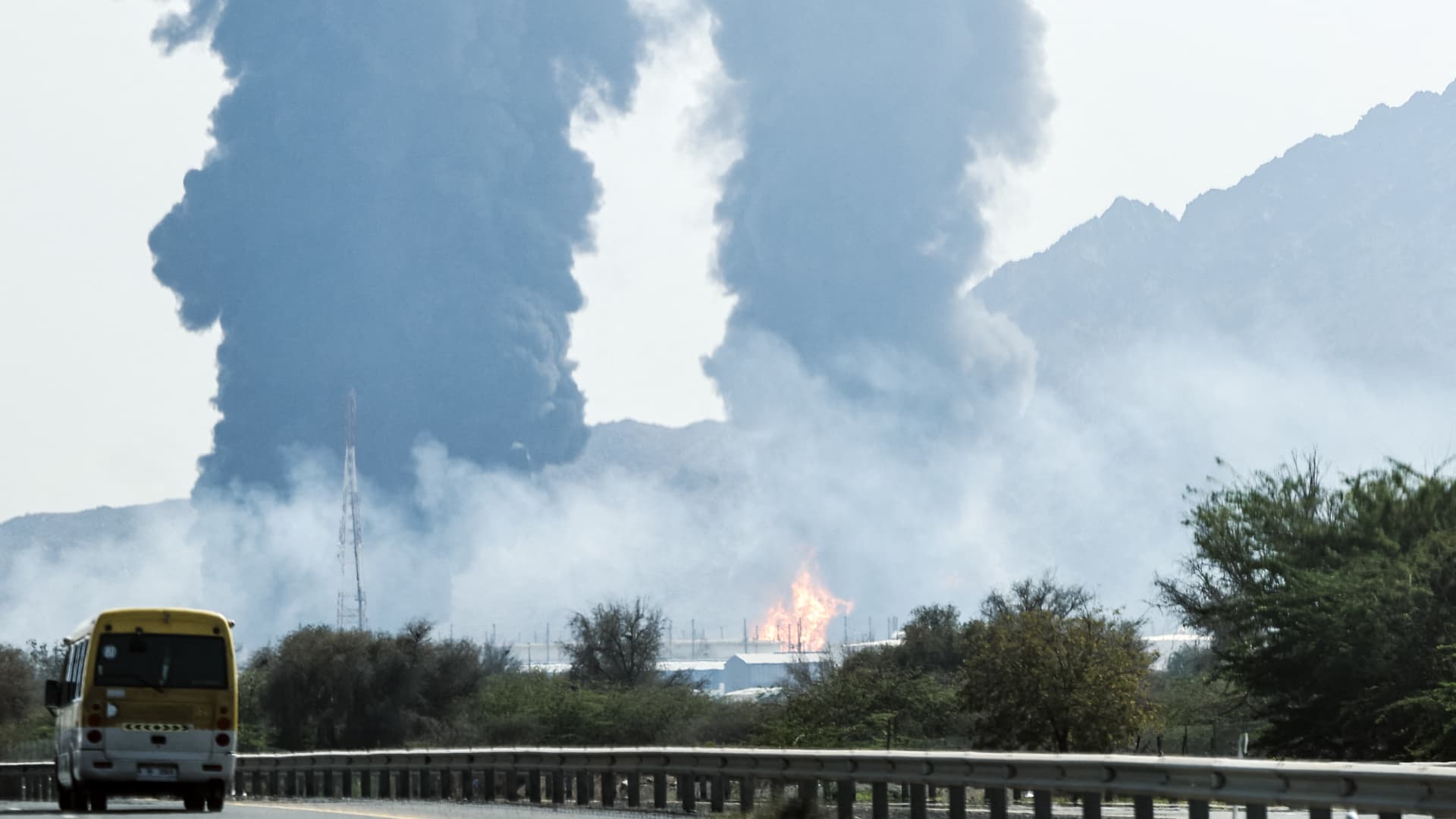
Ongoing regional hostilities in the Middle East have resulted in an estimated $58 billion in damages to critical energy infrastructure. Rystad Energy’s assessment indicates that physical destruction to refineries, pipelines, and export terminals will keep supply chains constrained for years, rather than months, as repair timelines stretch to accommodate the scale of the wreckage.
The Cost of Regional Instability
The $58 billion figure represents a massive capital expenditure hurdle for regional producers struggling to maintain operational continuity. Beyond the immediate loss of barrels, the degradation of processing facilities forces a reliance on more expensive, less efficient infrastructure. This structural impairment limits the ability of impacted nations to capitalize on current energy pricing, effectively capping their export capacity regardless of global demand shifts.
Market participants tracking the crude oil profile should view this not as a temporary disruption, but as a persistent drain on global spare capacity. When infrastructure of this magnitude is sidelined, the cost of capital for future projects in the region rises, as insurers and lenders bake geopolitical risk premiums into every new project finance deal.
Supply Chain and Production Realities
Returning to pre-war production levels is no longer a simple matter of turning valves or increasing output. The damage to sophisticated refining and midstream equipment requires specialized components and engineering expertise that are in short supply. Traders should anticipate the following impacts on the energy markets:
| Impact Category | Market Consequence |
|---|
| Midstream Capacity | Narrower spreads on regional transport |
| Refining Margins | Tightening supply due to facility downtime |
| CAPEX Cycles | Deferred investment in non-critical assets |
Implications for Energy Traders
For those monitoring the gold profile, the persistence of these infrastructure gaps serves as a permanent bid under the commodity. Markets historically discount temporary shocks, but multi-year repair cycles demand a repricing of long-term futures contracts. If the damage to export infrastructure remains unaddressed, the regional ability to influence global benchmarks like Brent and WTI diminishes, potentially leading to increased volatility during peak seasonal demand.
Investors must also keep a close eye on the secondary effects for energy-dependent economies. When major infrastructure is offline, domestic energy inflation becomes a primary concern, which can trigger shifts in fiscal policy and currency valuation in affected states. This is a supply-side shock that the market has yet to fully reconcile, as the timeline for restoration remains tied to the broader security situation in the region.
Watch for updates on repair timelines from state-run energy entities, as any acceleration in reconstruction efforts will be a bearish signal for current term premiums. Conversely, if insurance premiums for regional transit continue to climb, expect a further widening of the gap between physical and paper prices.