The Next Frontier in Generative AI
Meta Platforms (META) continues to aggressively expand its artificial intelligence footprint, moving beyond core advertising optimization and into the realm of hyper-personalized consumer utility. The latest iteration, dubbed 'Muse Spark,' represents the company’s ongoing efforts to integrate generative AI directly into the user experience. By analyzing personal data—ranging from dietary habits to household inventory management—Muse Spark is positioning itself as a multimodal assistant capable of synthesizing complex, real-time information.
Testing the Limits of Muse Spark
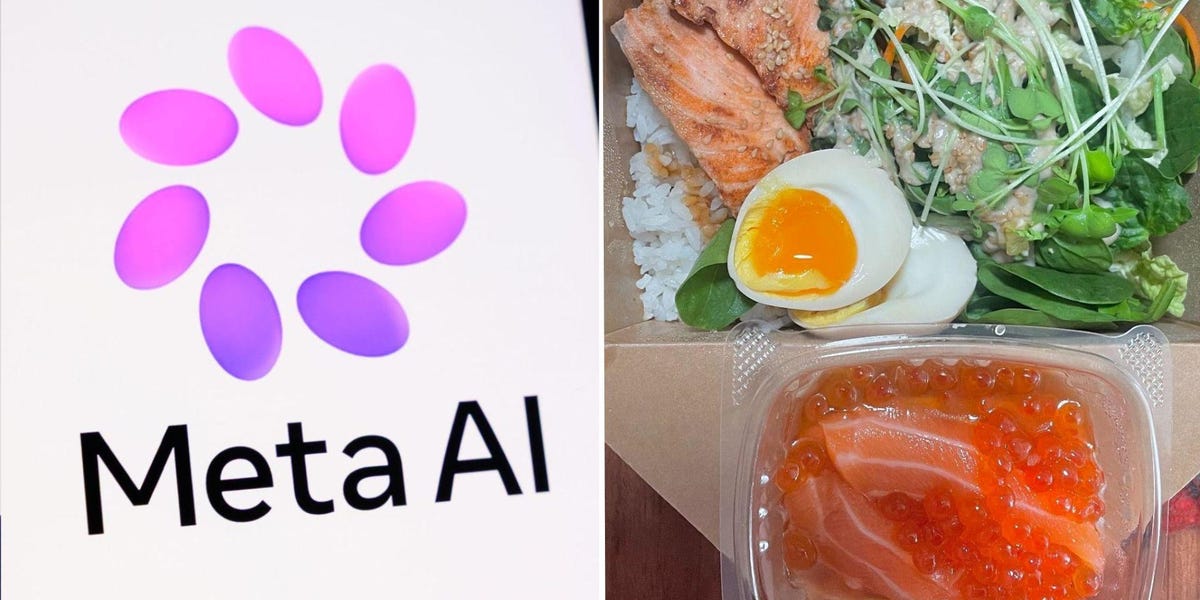
To gauge the practical efficacy of this new tool, we put Muse Spark through a real-world stress test: managing daily nutritional intake and household food waste. When presented with a photo of a standard lunch, the AI provided a quantitative assessment, rating the meal a 7.5 out of 10. The system did not stop at a subjective score; it leveraged its analytical capabilities to flag potential health concerns, specifically advising a reduction in sodium intake based on the visual profile of the meal.
Beyond mere observation, Muse Spark demonstrated utility in inventory management. By inputting a list of existing leftovers, the AI generated customized dinner recipes designed to minimize food waste while adhering to nutritional guardrails. The output was largely successful, providing actionable culinary solutions that bridged the gap between raw data analysis and domestic execution.
Why This Matters for Investors
For shareholders and market analysts, this development is a signal of Meta’s pivot toward high-engagement, utility-driven AI features. By embedding these tools into its ecosystem, Meta aims to increase time-on-platform and create a data flywheel that feeds its larger models. If these AI agents can successfully transition from novelty to daily utility, the implications for user retention and data collection are significant.
"The ability to process multi-modal inputs—like images of food—and provide personalized, actionable advice is the next logical step in the evolution of the 'super-app' model," says analyst consensus. While the AI is clearly still in its iterative phase, the consistency of its output suggests that Meta is refining its ability to handle unstructured data at scale.
The Competitive Landscape
Meta is not operating in a vacuum. With Alphabet (GOOGL) integrating Gemini across its product suite and Microsoft (MSFT) pushing Copilot into every facet of the enterprise, the race to own the 'personal assistant' space is intensifying. For Meta, the differentiator remains its massive social graph and its ability to integrate these tools into platforms like Instagram and WhatsApp, where users are already sharing visual content.
Forward-Looking Implications
Investors should watch for how Meta monetizes these 'Spark' features. Will this lead to direct integration with grocery delivery services, or is it a play to keep users within the Facebook and Instagram app ecosystems longer? As the technology matures, the success of Muse Spark will likely be measured by its ability to move from 'mostly delivered' to 'consistently reliable.' If Meta can achieve this, the company’s shift toward AI-first infrastructure will solidify its position as a dominant player in the generative AI wars of the coming decade.