The Canva Dilemma: Why AI Integration is Forcing a Reckoning for B2B SaaS Loyalty

The rise of generative AI is challenging the long-term loyalty of B2B SaaS users, forcing a re-evaluation of subscription models as design and productivity tools become commoditized.
The Loyalty Paradox
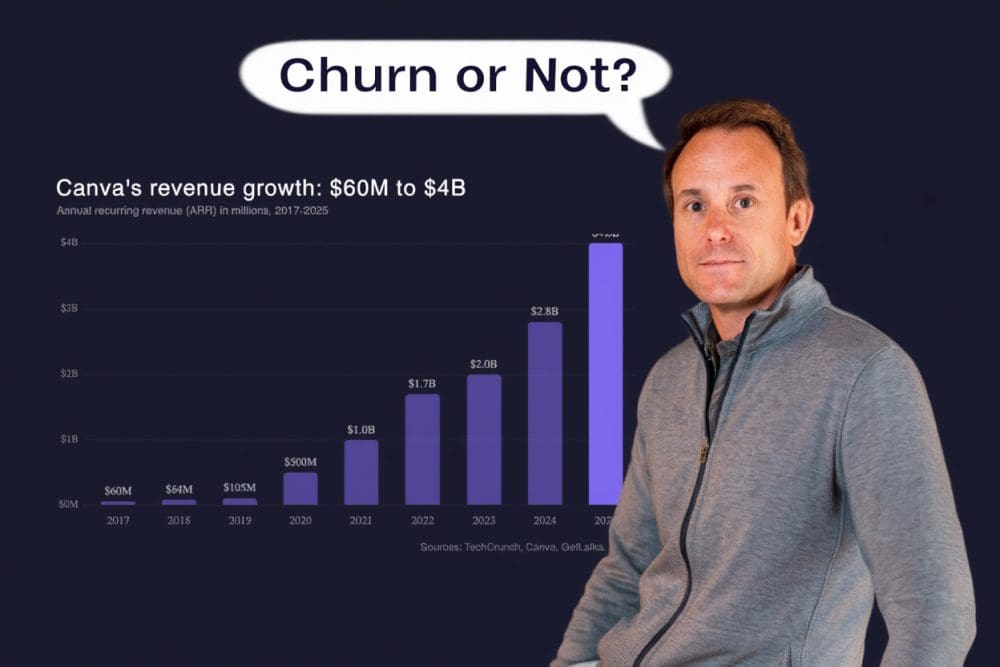
For over eight years, Canva has been a staple in the professional toolkit of organizations ranging from agile startups to established entities like SaaStr. Its value proposition—affordability, ease of use, and functional design capabilities—has cemented its status as a go-to platform in the design-tech stack. Yet, despite this long-standing utility, the platform faces a burgeoning threat that is currently haunting the broader B2B SaaS landscape: the commoditization of features through generative AI.
While the product remains effective, the ease with which AI tools are now creating high-quality visual assets is leading even the most loyal power users to question the necessity of a recurring subscription. When the barrier to creating professional-grade content drops to a simple text prompt, the historical "stickiness" of a platform like Canva faces its most significant challenge to date.
The AI Disruption Factor
The core issue for vendors like Canva is not a decline in product quality, but a shift in market expectations. As generative AI models become integrated into ubiquitous operating systems and browsers, the specialized design workflow Canva pioneered is becoming a baseline capability rather than a premium service. For the average user, if an AI tool can generate a marketing asset in seconds without a specialized interface, the "friction" of logging into a separate SaaS application becomes a tangible cost.
This trend represents a warning for the entire B2B ecosystem. SaaS companies that have built their empires on "workflow efficiency" are finding that efficiency is no longer a premium feature—it is a standard expectation. When the utility of a platform is essentially subsumed by the rapid advancement of foundational AI models, user retention ceases to be a function of habit and becomes a cold calculation of marginal value.
Market Implications for B2B Investors
For investors and traders, this shift signals a potential contraction in the "SaaS premium." Historically, B2B software companies have commanded high valuation multiples based on predictable recurring revenue and low churn rates. However, if AI-driven disruption leads to a wave of "subscription fatigue" or platform abandonment, those multiples may be subject to a fundamental re-rating.
Traders should monitor how B2B vendors respond to this existential threat. Companies that successfully pivot from being a "tool" to being an "AI-native ecosystem" may survive, but those that remain static risk seeing their user base atrophy as AI integration renders their specific interfaces redundant. The Canva case study is a bellwether for the software sector: the era of assuming customer loyalty based on historical utility is officially over.
Looking Ahead: What to Watch
As we look toward the next several quarters, the key metric to watch will be net revenue retention (NRR). If users begin to cancel subscriptions not because of price, but because the underlying need is being met elsewhere via AI, we will likely see a broader trend of consolidation in the software space. Investors should watch for companies that are aggressively integrating AI to expand their moat versus those that are merely attempting to bolt AI features onto an aging interface. The former may hold their ground, but the latter are increasingly vulnerable to the shifting sands of the AI revolution.