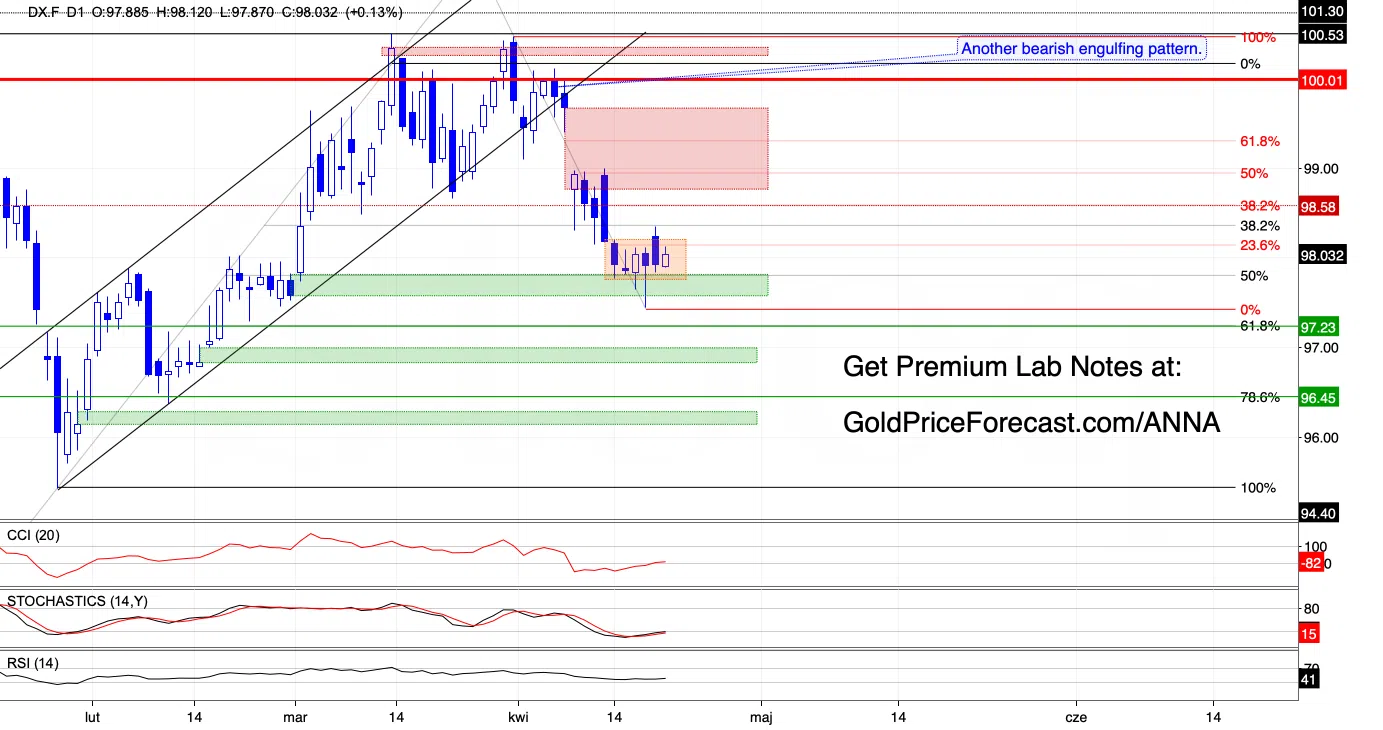
The precious and base metals complex is beginning to decouple as the U.S. dollar enters a period of consolidation. While these assets often move in tandem based on currency fluctuations, recent price action indicates that sector-specific supply and demand fundamentals are exerting greater influence than broader macroeconomic indicators. This shift suggests that the historical inverse correlation between the dollar and metals is weakening, forcing a re-evaluation of how mining equities and physical commodities respond to current monetary conditions.
Supply Constraints and Industrial Demand
Base metals are increasingly sensitive to localized production bottlenecks and shifting industrial requirements. While precious metals remain tethered to safe-haven sentiment, base metals are reacting to inventory levels that have failed to build at expected rates. Mining output in key regions is struggling to keep pace with steady demand from the manufacturing and infrastructure sectors. This supply-side tightness is creating a floor for prices even as the dollar maintains its current range. The divergence is most visible in the way industrial metals react to regional supply disruptions compared to the relative stagnation in gold and silver.
Inventory Dynamics and Price Sensitivity
Inventory data across major exchange warehouses provides a clear look at where the divergence is most acute. For precious metals, stockpiles remain stable, reflecting a market that is currently indifferent to short-term supply shocks. In contrast, base metal inventories are showing signs of depletion, which typically precedes periods of heightened price volatility. The following factors are currently driving this trend:
- Declining warehouse stocks for copper and aluminum in major trading hubs.
- Increased procurement activity from manufacturers looking to hedge against future supply chain instability.
- A lack of significant new mining projects coming online to offset current extraction rates.
These inventory shifts are forcing a change in how the market prices risk. Investors are moving away from treating the metals complex as a monolithic asset class and are instead focusing on the specific utility of each metal. This is particularly relevant for those monitoring the commodities analysis section, where the distinction between store-of-value assets and industrial inputs is becoming more pronounced.
AlphaScala data reflects this broader market uncertainty. Amer Sports, Inc. (AS stock page) currently holds an Alpha Score of 47/100, categorized as Mixed within the Consumer Cyclical sector. Meanwhile, Agilent Technologies, Inc. (A stock page) maintains an Alpha Score of 55/100, labeled as Moderate in the Healthcare sector. These scores illustrate the varying degrees of stability across the broader market landscape as investors navigate the current divergence.
As the dollar continues to consolidate, the next concrete marker for the metals market will be the release of updated global mining output reports and regional inventory adjustments. These figures will determine whether the current decoupling is a temporary reaction to logistical hurdles or the beginning of a sustained trend where industrial demand dictates the trajectory of base metals independently of currency strength. The market is waiting for a clear signal from these supply metrics to confirm if the current price floor in base metals can hold against potential shifts in global manufacturing output.