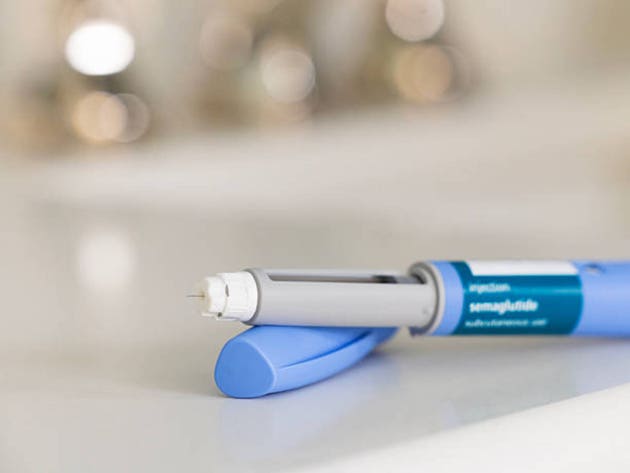
Medicare is widening coverage for GLP-1 weight-loss drugs under a new “Bridge” program that runs through 2027. The policy change gives seniors access to treatments previously excluded under Part D anti-obesity drug restrictions. For Eli Lilly (NYSE:LLY), whose Zepbound dominates the branded GLP-1 class, the move opens a direct channel to a population that had largely paid out of pocket or gone without.
The Bridge program is not permanent coverage. It functions as a time-limited window, after which the Centers for Medicare & Medicaid Services (CMS) will need to revisit the rule. The 2027 expiry is far enough out to shift how analysts model revenue across the next several reporting periods. Before this, Medicare patients had to navigate coverage gaps through employer plans, commercial insurance appeals, or cash-pay programs. The Bridge removes that friction for an estimated 3–4 million beneficiaries on weight-loss therapy, according to health-policy group KFF.
Lilly's manufacturing ramp for Zepbound has been the stock's dominant narrative through 2025. The company spent heavily on oral-solid-dose capacity and injectable fill-finish lines, betting on demand acceleration. Medicare Bridge does not directly increase how much a patient pays. It expands the addressable pool by effectively waiving the obesity-exclusion clause. That changes the denominator in revenue-per-dose models.
Competition from Novo Nordisk's Wegovy remains the main counterweight. Novo's presence in the Medicare-eligible cohort is smaller by prescriber-share data. Wegovy holds the longer safety track record. Lilly is running head-to-head trial data against Wegovy that it hopes will shift payer preference. The Bridge program compresses the timeline: if Lilly wants to capture the onboarding wave, it needs clear prescribing momentum by the first half of 2026.
The stock trades roughly 35% below its 2024 high, a valuation that partly reflects uncertainty around Medicare's eventual rulemaking. The Bridge program reduces that risk without eliminating it. Final rule language on which treatment tiers qualify and how rebates interact with the Inflation Reduction Act price caps remains open. Those details matter more for 2027–2028 margin than for near-term volume.
AlphaScala rates Lilly at a 74/100 Alpha Score, a Moderate rating in the Healthcare sector. The score reflects above-average earnings momentum but below-average valuation-trigger efficiency. Investors tracking the GLP-1 theme should watch the Bridge program's enrollment data through Q1 2026. A fast uptake would pressure Lilly's supply chain. A slow start would point to lingering access barriers the Bridge did not solve.
The next scheduled catalyst is the company's Q4 2025 earnings call in early February, where management will likely provide initial Bridge-related revenue guidance.