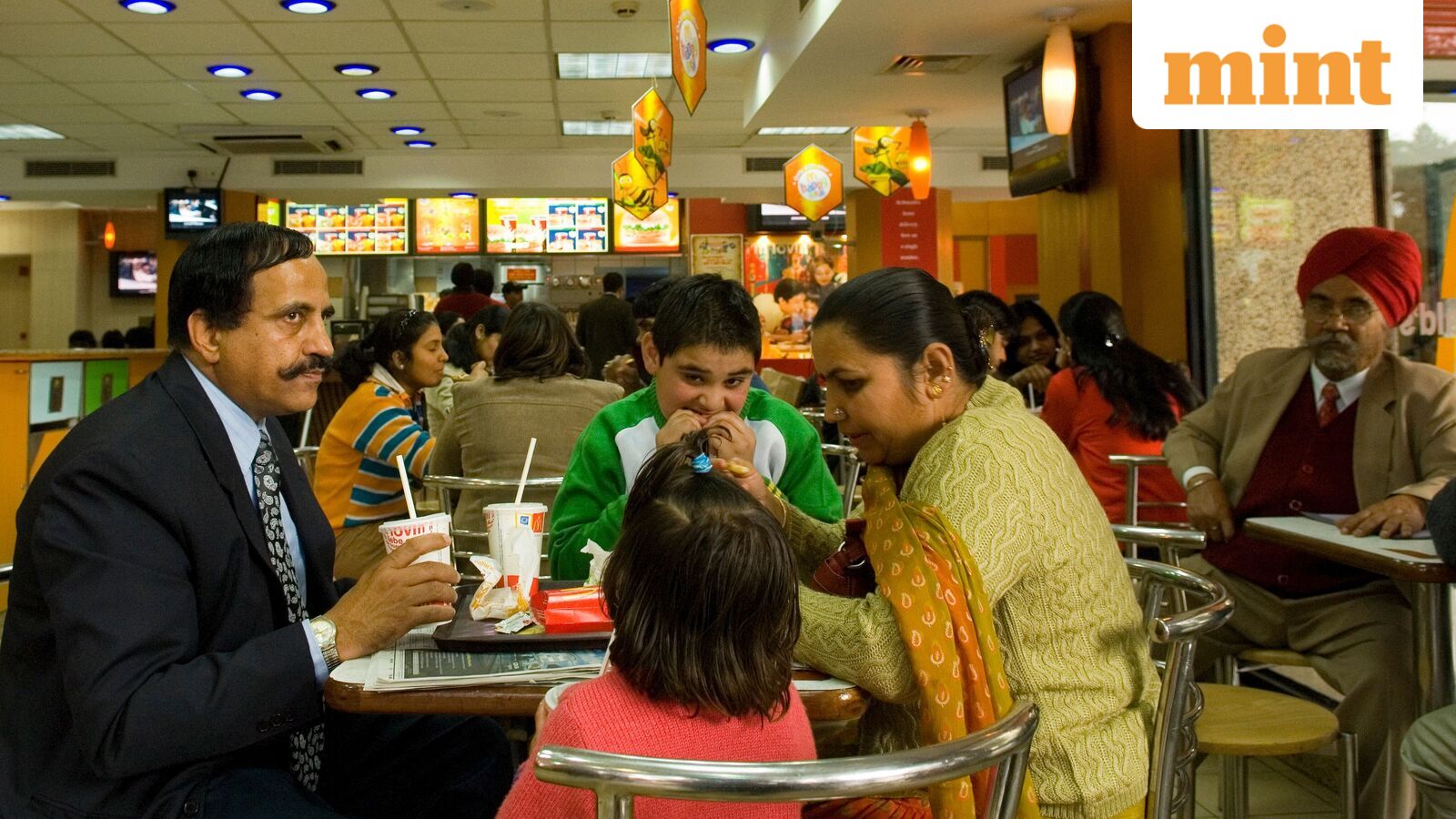
McDonald's India started selling unsalted fries and no-onion-no-garlic burgers this month, part of a Shravan-only menu that quickly went viral on social media. One user called it "glocalization." Another asked for a "McSabudana Tikki Burger." A third pointed out the same kitchen handles non-veg and upvaas items, questioning the logic.
The menu is not new. McDonald's India ran the same offer in 2024, according to a blog post from the chain. The viral post, a photo of a menu board at an outlet, resurfaced the seasonal item in late July. The company did not issue a fresh announcement.
For McDonald's, the Shravan menu is a low-cost experiment. Unsalted fries require no new ingredient. The no-onion-no-garlic (NONG) McAloo Tikki and Veggie Burger use existing patties but skip the standard seasoning. The supply-chain cost is near zero, and the upside is a short-term sales lift from observant customers who avoid onion, garlic and meat during the month.
The social media debate captured a vocal minority. The criticism about shared cookware and the risk of brand identity dilution are familiar trade-offs for a global chain. McDonald's faces similar questions in other markets – halal menus in Muslim-majority countries, kosher options in Israel, regional spice profiles across Asia. The Indian Shravan menu is a small-bore iteration of that strategy.
What matters for investors is the repeatability. McDonald's India has been running seasonal menus for years – Navratri specials, regional variants like the McAloo Tikki. The Shravan menu is not a one-off; it is a pattern. The company uses limited-time offers to build traffic without permanent menu complexity. The data from each seasonal run feeds into broader menu planning.
AlphaScala's proprietary Alpha Score for MCD sits at 51 of 100, labeled Mixed. The score reflects a balanced picture: the core U.S. business and digital growth are solid, but emerging-market cultural adaptation carries execution risk. The Shravan menu alone does not move the needle for a $200 billion company, but it is a visible example of how McDonald's handles local sentiment without alienating its global brand identity.
Competitors in India – including local chains like Jumboking, Haldiram's and regional QSRs – already offer vegetarian-only and fasting-friendly options. McDonald's entry into that space is defensive. It needs to hold its share of the vegetarian QSR market, which is substantial in India. The Shravan menu is a tactical response, not a strategic pivot.
The Franchise Mechanics Behind the Seasonal Push
McDonald's India operates through two franchisees: Westlife Foodworld for the West and South, and Hardcastle Restaurants for the North and East. The Shravan menu is a Westlife initiative. Any expansion would depend on franchise-level returns and local consumer acceptance. The company's blog from 2024 suggested the menu was a one-off seasonal offering. The 2025 repeat indicates it is now a standard part of the calendar.
If the company extends the concept to other fasting periods – Navratri in September, Ekadashi – the marginal cost remains low. The cumulative effect on brand perception could shift, but that depends on consistent messaging about kitchen separation, ingredient sourcing and respect for religious practices. McDonald's did not address the shared-cookware criticism in its blog.
The stock market reaction to the news has been negligible. MCD shares traded flat on the day the post went viral. The event is too small to move a large-cap stock. But it is a useful data point for understanding how McDonald's handles cultural adaptation in a key growth market.
The next test is the Navratri season in September. McDonald's India has not announced a menu for that period.