Mazagon Dock's ₹4.5 crore CSR-funded hydrodynamic tunnel at IIT Madras could speed submarine design. Order book and Navy program updates are next watchpoints.
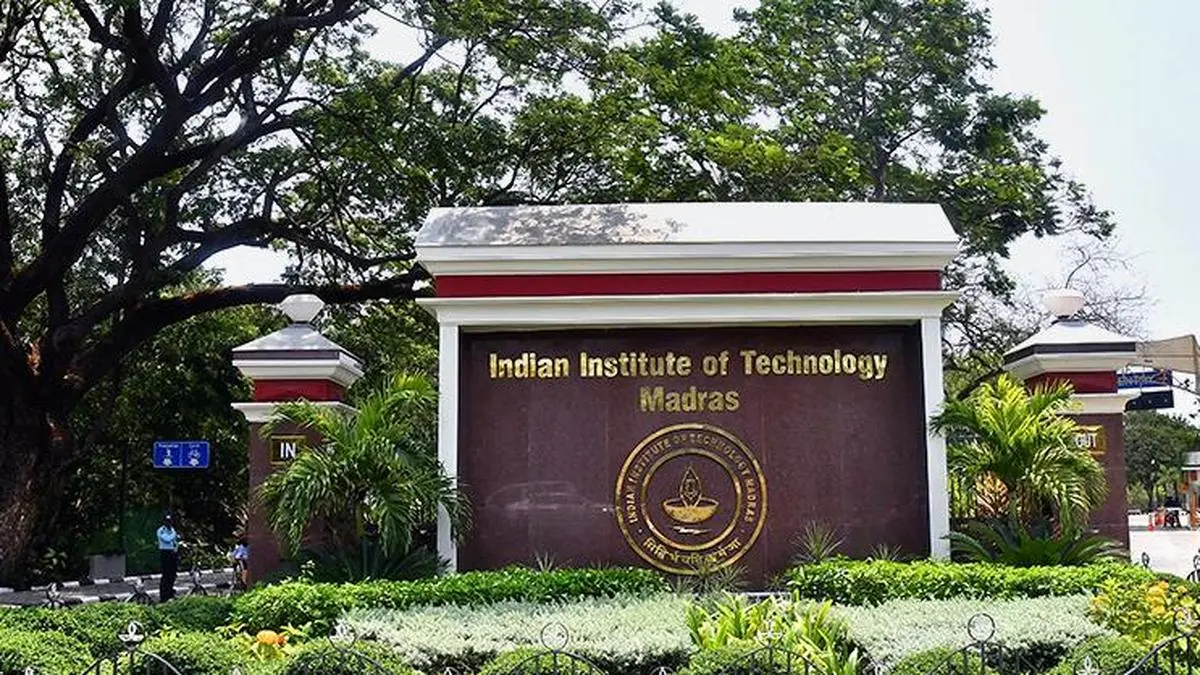
The Indian Institute of Technology Madras launched the Circulating Water Tunnel Facility on Monday, a hydrodynamic testing laboratory funded by ₹4.5 crore in CSR money from Mazagon Dock Shipbuilders. The facility is located at IIT Madras’ satellite campus in Thaiyur, near Chennai. It will support experimental studies on marine vehicles, offshore systems, underwater structures, and fluid dynamics.
Mazagon Dock Chairman and Managing Director Capt. Jagmohan described the collaboration as part of the Aatmanirbhar Bharat push in maritime defence. That framing is more than a tagline. The company builds warships and submarines for the Indian Navy. Its in-house R&D capability directly supports its competitive position in order book bids.
A first glance might treat ₹4.5 crore as a small sum relative to Mazagon Dock’s annual revenue, which runs well into thousands of crores. The better market read is different. Mazagon Dock is using CSR funds to build a dedicated hydrodynamic testing asset at an IIT campus, not a general donation. The facility is purpose-built for work on submarine hull design, propeller efficiency, and underwater noise signature – all tight constraints in naval warfare. A company that controls its own test tunnel reduces dependency on foreign labs or on IIT’s main campus, where scheduling is competitive.
The move signals that Mazagon Dock is investing in pre‑project R&D capacity, not just production floor throughput. The Indian Navy is fielding new submarine programs, including Project 75 (I) and potential Scorpene‑class follow‑ups. The ability to run early‑stage fluid dynamics tests in‑house shortens the design cycle. That has direct implications for contract win rates and delivery timelines.
Traders mapping the stock should watch for three signals. First, order book mentions: If Mazagon Dock references the tunnel in future quarterly conference calls or investor presentations, the facility shifts from CSR line item to strategic asset. Second, submarine program updates: Any acknowledgment of design advances tied to the tunnel would validate the thesis. Third, volume divergence: A one‑day price spike after this news without sustained buying suggests the market treats it as a non‑event. A multi‑day volume increase coupled with sector strength would indicate institutional recognition of the R&D moat.
The invalidation scenario is equally clear. If the facility produces no peer‑reviewed publications, no patent filings, and no Navy‑related research contracts within the next 12 months, it remains a CSR ornament. In that case the stock should trade solely on earnings delivery and order intake, not on R&D narrative.
The next decision point for Mazagon Dock is any follow‑on contract announcement for submarine or naval vessel projects. A spike in volume on the back of this news without a broader order would suggest a fade. The facility itself will not generate near‑term revenue. It positions the company in a niche where few Indian peers compete. Traders tracking the stock should treat this as a low‑conviction setup until the tunnel produces tangible technical outputs tied to a specific Navy program.
Prepared with AlphaScala research tooling and grounded in primary market data: live prices, fundamentals, SEC filings, hedge-fund holdings, and insider activity. Each story is checked against AlphaScala publishing rules before release. Educational coverage, not personalized advice.