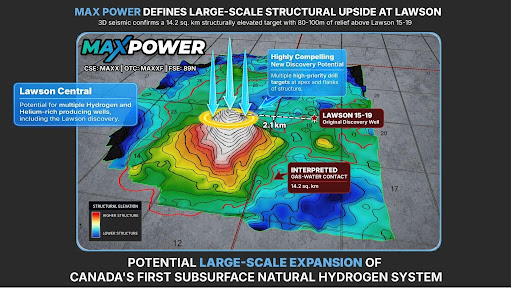
Max Power Mining Corp. has moved to formalize the technical evaluation of its Lawson Natural Hydrogen project by retaining a prominent Calgary-based energy consultancy. This engagement marks a shift from preliminary exploration to a structured assessment phase, as the company seeks to validate the commercial viability of natural hydrogen deposits within its project footprint.
Technical Validation of Hydrogen Assets
The decision to bring in specialized consultants follows the acquisition of new seismic data, which serves as the primary catalyst for this stage of development. Natural hydrogen exploration remains a nascent sub-sector within the broader energy transition landscape, often requiring specialized geological interpretation to distinguish viable reservoirs from non-productive strata. By integrating this seismic information with external expertise, the company aims to refine its drilling targets and reduce the geological uncertainty typically associated with early-stage hydrogen exploration.
This move is significant because it signals a transition toward data-driven project de-risking. Investors often view the transition from internal mapping to third-party verification as a necessary step for potential asset monetization or future partnership discussions. The focus on Calgary-based consultants suggests a strategic alignment with regional expertise in subsurface energy extraction, leveraging established methodologies from the oil and gas sector to address the unique challenges of hydrogen exploration.
Sector Read-through and Resource Potential
The broader clean energy market is increasingly looking toward natural hydrogen as a low-cost alternative to electrolysis-based production. Unlike green hydrogen, which requires significant electrical input, natural hydrogen is extracted from geological formations. If the Lawson project can demonstrate consistent flow rates or favorable geological structures, it could offer a distinct cost advantage compared to synthetic hydrogen production methods.
This development places Max Power within a small cohort of junior explorers attempting to prove that geological hydrogen can be a scalable energy source. The success of this project hinges on the ability to translate seismic signatures into actionable drilling plans. While the sector remains speculative, the application of rigorous seismic analysis is a standard prerequisite for moving any subsurface resource project toward a definitive feasibility study.
AlphaScala data currently tracks various industrial and communication service equities, such as SITE stock page and NWSA stock page, which reflect the broader volatility inherent in resource-linked and media-dependent sectors. While Max Power operates in a different niche, the reliance on technical milestones to drive valuation is a common theme across the stock market analysis landscape.
Next Steps for Project Development
The immediate path forward involves the synthesis of the new seismic data with the consultants' geological models. The company is expected to provide updates on the interpretation of these findings, which will likely serve as the next marker for project viability. Investors should monitor future filings for details on specific drilling timelines or the identification of high-priority target zones within the Lawson project area. The transition from seismic interpretation to physical testing remains the most critical hurdle for the project to clear in the coming quarters.