Stocks● Neutral
Matsato Launches Two Chef's Knives With Different Cutting Geometries
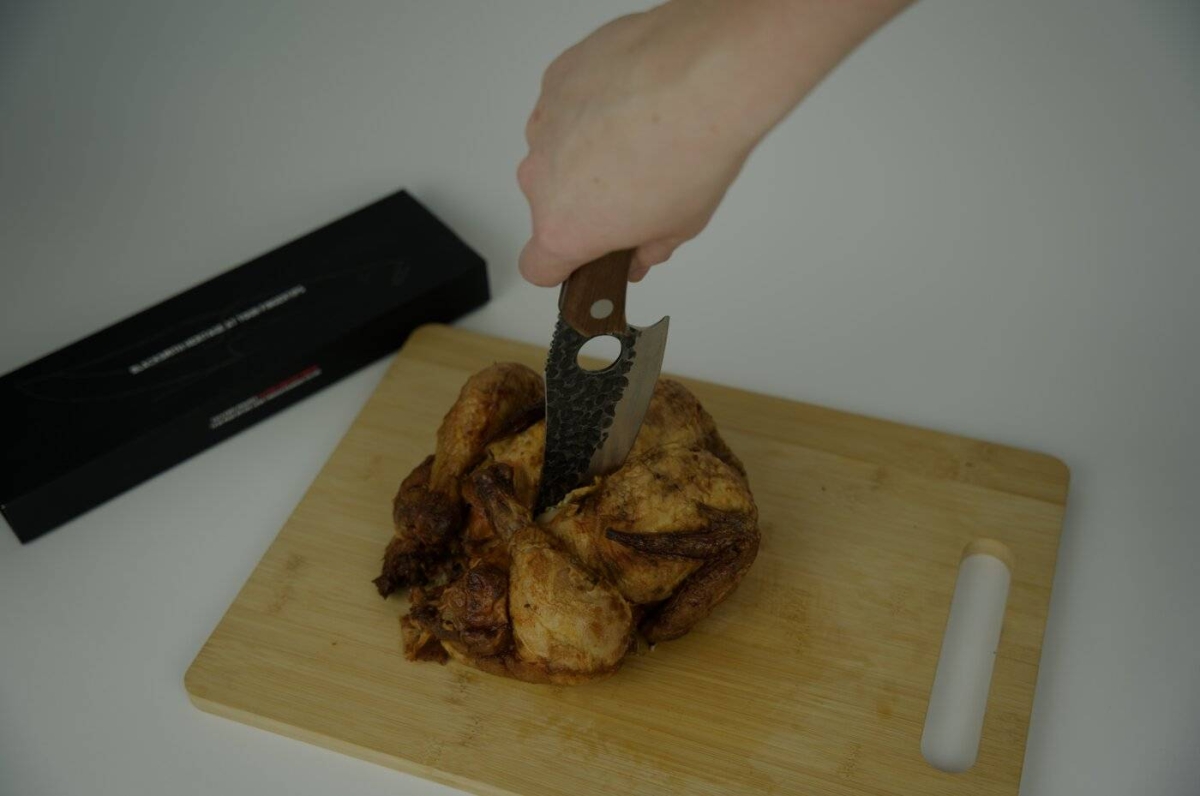
Matsato launched two chef's knives on June 14: the all-purpose Classic and the precision-focused Osuren. Both use Japanese stainless steel and beechwood handles, but the geometries differ. The 60-day return policy reduces the risk of choosing wrong.
Continue with
Matsato introduced two chef's knife designs on June 14, the Classic and the Osuren 6-inch, both built from Japanese stainless steel with beechwood handles. The company's pitch is that a single knife cannot serve every cook equally, so it engineered two distinct geometries rather than one compromise.
The Classic is the original product that launched the brand. It uses a 5.9-inch blade, weighs 176 grams, and goes through an ice-hardening step at -80°C. Matsato describes it as an all-purpose knife for home cooks who want reliable performance across chopping, slicing, and mincing without high-maintenance care routines.
The Osuren is the newer design. It carries a 6.3-inch blade at 180 grams with a taper grind edge at 12-14 degrees and a hardness rating of 54-56 HRC. The geometry is meant for cooks who prioritize precision cutting and want more feedback from the blade. The dual-wood handle and lighter overall feel target food enthusiasts who slice frequently and value exactness over versatility.
Both knives share the same steel grade, which Matsato positions as a middle ground between budget stainless steels that need sharpening every 1-3 months and high-end Japanese steels like VG10 that require more maintenance and cost significantly more. The ice-hardening step is designed to support long-term edge stability, though the Osuren's thinner edge may need more frequent honing than the Classic.