Stocks▼ Bearish
Massachusetts Senate votes to ban crypto ATMs after $6.8M in scam losses
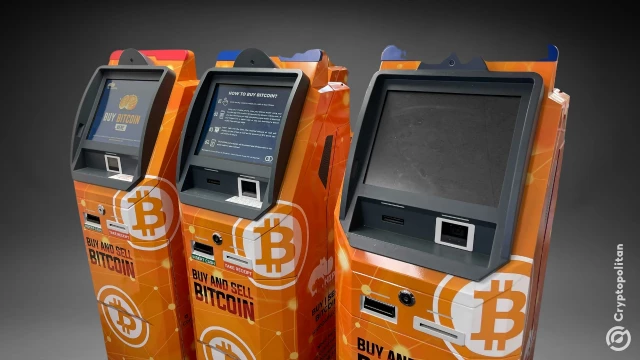
The Massachusetts Senate voted to ban crypto ATMs statewide after FBI data showed $6.8M in kiosk scam losses in 2025. The ban's fate depends on House negotiations.
Continue with
The Massachusetts Senate voted late Thursday to ban crypto ATMs across the state, attaching the measure as an amendment to a broad economic development bill.
The vote follows FBI data showing kiosk-related scam losses in Massachusetts totaled $6,834,561 in 2025, based on 296 complaints. The machines, which look like standard cash dispensers, sit in hundreds of convenience stores, pharmacies, and liquor stores across the state. Consumer advocates and elderly residents say the unregulated machines have become a cash pipeline for scammers.
Norfolk County Sheriff Patrick McDermott described the typical pattern. A victim gets a call or text, then is pressured into moving savings into Bitcoin. Cash goes into the machine, a QR code from the caller gets scanned, and the deposit converts and routes to an anonymous wallet in seconds. "Once the cash is in there, it's gone for good," McDermott said.
FBI data for 2025 shows about $19,000 in reported losses per day across Massachusetts. The bureau's national total for kiosk scams reached $389 million over the past year.